Table of Contents
Why Did the High Court Revive Modified SAVE Before the Midterms?
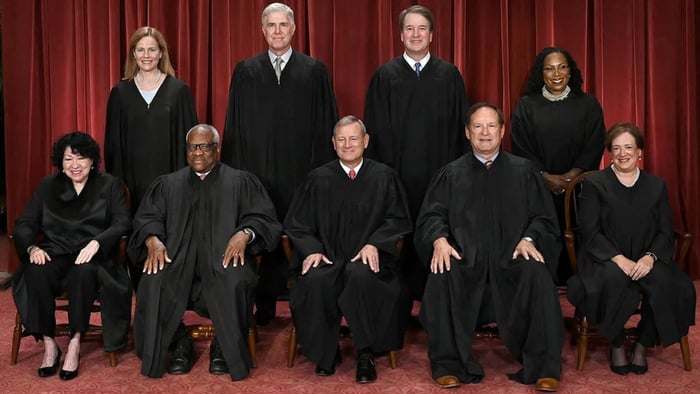
Because the federal government has a statutory duty to help states verify who is a citizen. On September 25, 2026, SCOTUS stayed a June 22 order from the U.S. District Court for the District of Columbia that had vacated the modified Systematic Alien Verification for Entitlements program. The unsigned majority said the lower-court injunction “inhibits the Federal Government’s efforts to assist state and local agencies in the proper administration of the midterm elections.” The case is Department of Homeland Security v. League of Women Voters.
What the District Judge Blocked
U.S. District Judge Sparkle Sooknanan, born in Trinidad and Tobago and appointed by President Biden, tried to block Trump’s citizenship checks for voters. On June 22 she held that the modified SAVE system violated the Privacy Act, the Social Security Act, and the Administrative Procedure Act. She wrote that agencies had “haphazardly combined and repurposed the private information of millions of Americans.” A divided D.C. Circuit panel refused a stay on September 4. Solicitor General D. John Sauer then asked the justices to freeze her ruling. SCOTUS just wiped that block out.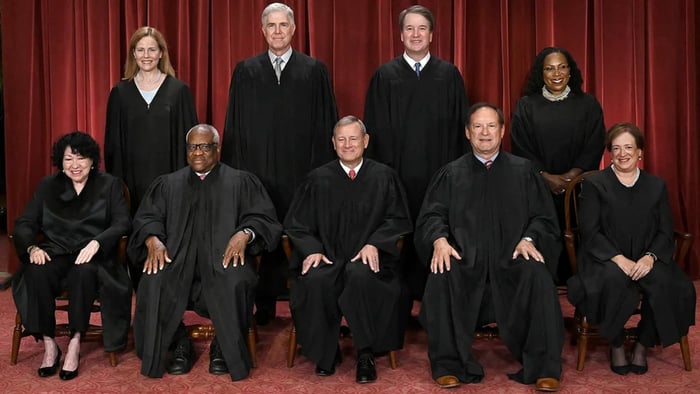
What Modified SAVE Does
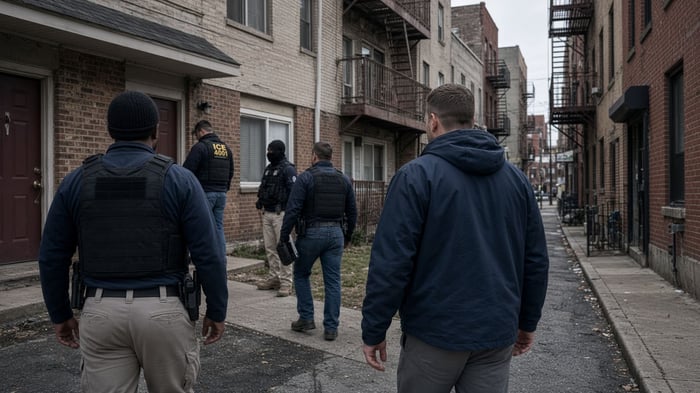
President Trump’s March 2025 Executive Order 14248 directed DHS to give states fee-free access to systems that verify the citizenship or immigration status of people registering to vote or already on the rolls. DHS then changed SAVE so states can search with Social Security numbers and upload bulk lists.
The per curiam opinion concluded that 8 U.S.C. § 1373 appears to contemplate an information-sharing regime like modified SAVE, and that the Court is likely to reverse the district court’s holdings. Federal law still bars systematic voter-list purges inside 90 days of a federal election. The order therefore emphasizes individualized citizenship inquiries in this window, not mass removals.
Official Reaction and the Dissent
DHS General Counsel James Percival called the decision a victory for election integrity and said American elections are for Americans. Justice Ketanji Brown Jackson, joined by Justices Sotomayor and Kagan, dissented. She argued the majority issued a questionable interim reading of statutes the Court has never interpreted.
Strategic Implication for November and After
SCOTUS did not write a final merits opinion. It stayed the vacatur pending appeal. That means modified SAVE is available now. States remain free to use it or not. Near November 3, officials may run individual citizenship checks. After the 90-day quiet period, bulk tools can return if the stay holds. Trump’s order told DHS to give states a working citizenship screen. Judge Sooknanan took that screen offline. SCOTUS put it back. The remaining question is how states will treat a “no match.” SCOTUS answered the threshold question: the federal government may keep the tool running while the statutes are litigated.
Read more: https://morsereport.com/a/news/us-states-added-30000-non-citizens-to-voter-rolls-since-2000-due-to-errors
Republic Trucker Hat - Navy / White

$45.00
SHIPPING FOREWORD: Because all Morse Report products are 100% sourced and manufactured inside of the United States of America at the highest standard of excellence, shipping fulfillment can take anywhere from 5 - 14 days, depending on conditions. THANK YOU!… read more
FAQs
Why Did the High Court Revive Modified SAVE Before the Midterms?
Because the federal government has a statutory duty to help states verify who is a citizen. On September 25, 2026, SCOTUS stayed a June 22 order from the U.S. District Court for the District of Columbia that had vacated the modified Systematic Alien Verification for Entitlements program. The unsigned majority said the lower-court injunction “inhibits the Federal Government’s efforts to assist state and local agencies in the proper administration of the midterm elections.” The case is Department of Homeland Security v. League of Women Voters.