Table of Contents
Why Is Tehran Pushing to Revive the Ceasefire Before November?
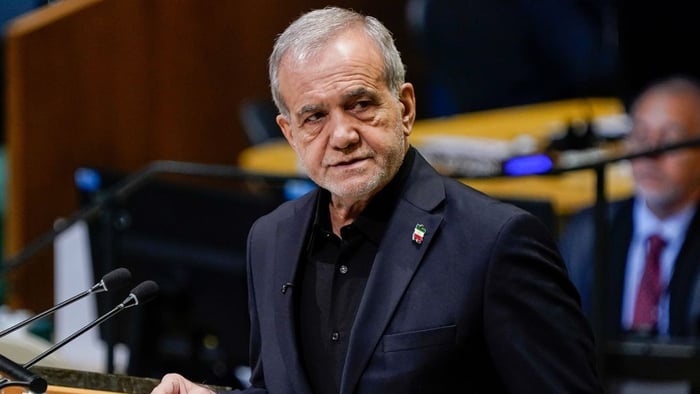
Because the Iranian president wants the June memorandum restored while American voters are still months from the polls. On September 24, 2026, President Masoud Pezeshkian told NBC News at the United Nations that his government does not want the conflict to reach the midterm elections. “We wish Americans to return to the MOU before the midterms,” he said. That is the public bid from Iran to revive a pause that President Donald Trump has already declared over.
What Trump Said Two Days Earlier
On September 22, speaking to world leaders at the U.N., Trump said he believed the other side would not settle until after the fall elections. “I believe we’ll make a deal right after the election because it doesn’t make sense for them not to,” he said. “They’re waiting to see how I do in the midterm election.” White House aides have kept the nuclear bar in front of any political calendar: the president is ensuring that such a country never possesses a nuclear weapon. Secretary of State Marco Rubio has said there is no harm in engaging at the General Assembly. Talks can occur. Terms do not loosen because a president in Tehran names November as a deadline.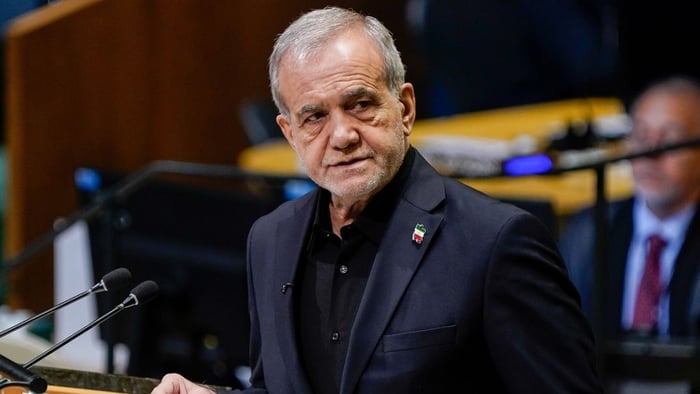
What the MOU Was and Why It Collapsed
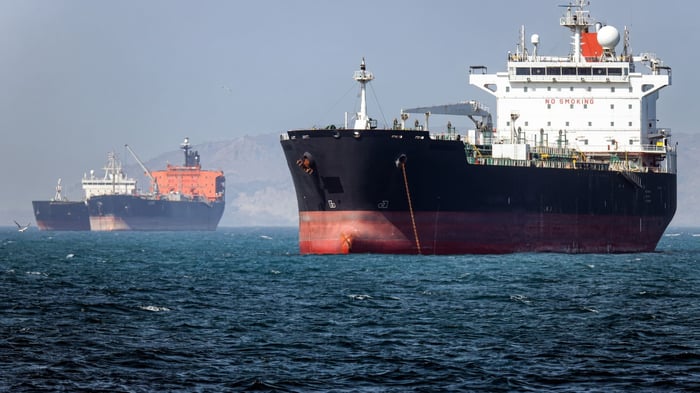
In June 2026 the United States and Iran signed a 14-point memorandum. U.S. officials said it halted military operations on all fronts, including Lebanon, lifted the naval blockade, reopened the Strait of Hormuz, and opened a window for talks on the nuclear program, sanctions, and reconstruction. Both presidents digitally signed the text. Within weeks Trump said the ceasefire was over after attacks on commercial vessels in the strait and renewed strikes. On July 10 he wrote that talks could continue but that the ceasefire was over in no uncertain terms. That sequence is the baseline. Iran is now asking to go back to the June paper. Washington is saying the calendar is not the lever.
What Tehran Has Offered and What Washington Requires
Around the General Assembly, a senior Iranian official said the strait could reopen within seven days if the United States eased military pressure and lifted the blockade of ports. Rubio has said any agreement must prevent a sprint to a nuclear weapon. The American condition has not moved with Pezeshkian’s midterm clock. Nuclear capability first. Navigation second. Political timing last.
Strategic Implication of a Pre-Midterm Revival Bid
Iran is attempting to convert an American election into a negotiating deadline. Trump has already rejected that conversion in public. If the memorandum returns before November, energy markets would price a pause. If it does not, the president has reserved the option to finish military objectives and keep the nuclear prohibition intact. Pezeshkian’s clock runs to Election Day. Trump’s clock runs past it. Iran can ask for the first. Only Washington can grant a revival, and on terms that keep a nuclear weapon off the table.
Read more: https://morsereport.com/a/news/oil-tankers-surge-through-strait-of-hormuz-with-us-protection
Republic Trucker Hat - Navy / White

$45.00
SHIPPING FOREWORD: Because all Morse Report products are 100% sourced and manufactured inside of the United States of America at the highest standard of excellence, shipping fulfillment can take anywhere from 5 - 14 days, depending on conditions. THANK YOU!… read more
FAQs
Why Is Tehran Pushing to Revive the Ceasefire Before November?
Because the Iranian president wants the June memorandum restored while American voters are still months from the polls. On September 24, 2026, President Masoud Pezeshkian told NBC News at the United Nations that his government does not want the conflict to reach the midterm elections. “We wish Americans to return to the MOU before the midterms,” he said. That is the public bid from Iran to revive a pause that President Donald Trump has already declared over.