Table of Contents
- Why Is the United States Protecting Oil Tankers in the Strait of Hormuz?
- U.S. Military Protection Restores Tanker Traffic Through the Strait of Hormuz
- Saudi Arabia Raises Exports After a Pipeline Attack
- How Rising Hormuz Flows Ease Pressure on Asian Markets
- Strategic Implications of American Control of the Energy Chokepoint
- FAQs
Why Is the United States Protecting Oil Tankers in the Strait of Hormuz?
President Trump directed the U.S. military to keep the world's most important energy chokepoint open so Oil can move, and that policy is now sending more tankers and more crude through the waterway under American protection.
U.S. Military Protection Restores Tanker Traffic Through the Strait of Hormuz
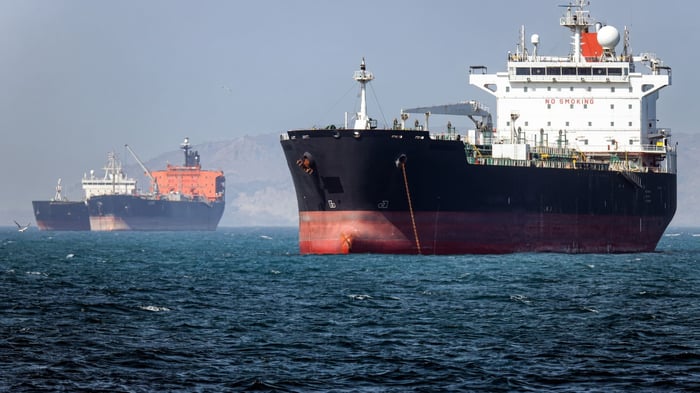
Around 60 vessels transited the vital waterway connecting the Persian Gulf to the Gulf of Oman, about 40 of them under U.S. military protection amid regional tensions. Navy warships, aircraft, and helicopters cover the southern corridor near Oman so commercial ships can pass. Energy Secretary Chris Wright said the American Navy is doing a phenomenal job and that escorts will continue because Iranian units are still causing trouble. U.S. Central Command reports that American forces have assisted roughly 1,600 vessels and more than 800 million barrels of crude since early May. Admiral Brad Cooper said recent shipments reached their highest level in six months. President Trump authorized Navy escorts to guarantee the free flow of energy. In one operation, U.S. forces protected 40 commercial vessels carrying 18 million barrels while striking Iranian targets that threatened the lane.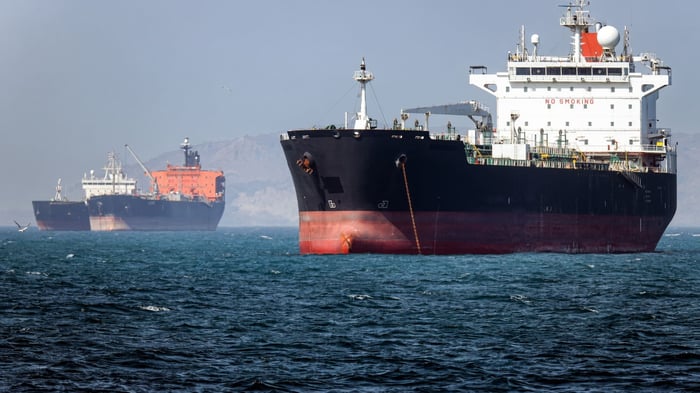
Saudi Arabia Raises Exports After a Pipeline Attack
The uptick follows Saudi Arabia ramping up exports to 5.28 million barrels a day in September, the highest since February, after earlier disruptions from an attack on its East-West pipeline. With that bypass damaged, the kingdom shifted loadings to Gulf terminals and moved cargoes through Hormuz toward buyers in Asia.
How Rising Hormuz Flows Ease Pressure on Asian Markets
While traffic remains below pre-crisis levels of over 100 vessels daily, the increase signals improving oil flows from Gulf producers and eases supply pressures for Asian markets. Before the conflict, the strait carried about one-fifth of global crude and fuel. Protected volumes remain below that peak, yet averages cited by Wright have climbed as convoys become more frequent. China, India, South Korea, and Japan are principal destinations for the restored Saudi cargoes.
Strategic Implications of American Control of the Energy Chokepoint
The United States is enforcing a blockade on Iranian ports while keeping the strait open for other nations. Wright has stated that Iran will not have the ability to close the Strait of Hormuz going forward. President Trump has described the United States as the guardian of the waterway and pledged that energy will keep moving with or without Tehran's consent. Oil markets respond to reliable barrels, not to threats. Oil security for American families and allied economies depends on that guarantee. Oil flowing under U.S. protection is the difference between a managed recovery and another price shock. Crude from Saudi Arabia and other Gulf producers is again reaching customers because American forces made the passage possible.
Read More: https://morsereport.com/a/news/us-forces-redirect-100-ships-in-iranian-port-blockade
Republic Trucker Hat - Navy / White

$45.00
SHIPPING FOREWORD: Because all Morse Report products are 100% sourced and manufactured inside of the United States of America at the highest standard of excellence, shipping fulfillment can take anywhere from 5 - 14 days, depending on conditions. THANK YOU!… read more
FAQs
Why Is the United States Protecting Oil Tankers in the Strait of Hormuz?
President Trump directed the U.S. military to keep the world's most important energy chokepoint open so Oil can move, and that policy is now sending more tankers and more crude through the waterway under American protection.