Table of Contents
Why Did America Resume the Steel Wall Blockade of Iranian Ports?
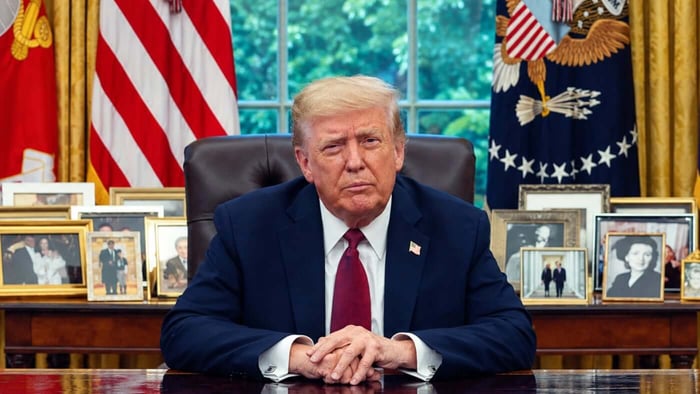
President Trump ordered the renewed maritime interdiction to halt unauthorized trade into and out of Iranian ports, cut the regime's oil revenue, and keep the Strait of Hormuz open for legitimate commerce. U.S. Forces have redirected 100 commercial vessels over the past 60 days since the steel wall blockade resumed two months ago, according to U.S. Central Command. Zero ships passed the line without authorization.
CENTCOM Steel Wall Blockade in the Strait of Hormuz
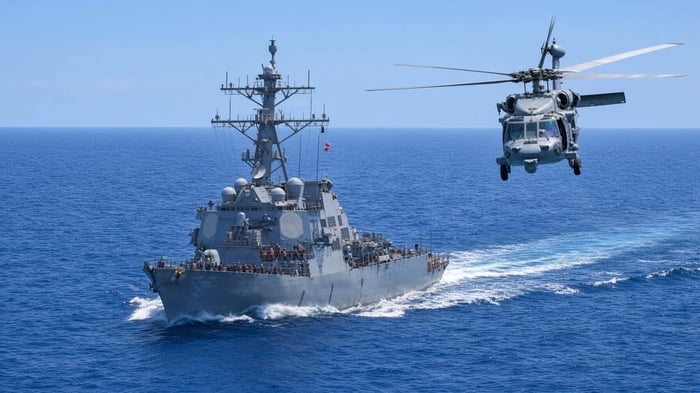
CENTCOM has described the naval operation as a steel wall. It resumed in mid-July in the Strait of Hormuz and the Gulf of Oman after an earlier April-to-June phase. U.S. Forces redirect all non-approved commercial traffic bound for or departing Iranian ports and coastal areas while allowing humanitarian aid ships to pass after inspection. The command reported that service members remain laser-focused on the mission and that no vessel has crossed without U.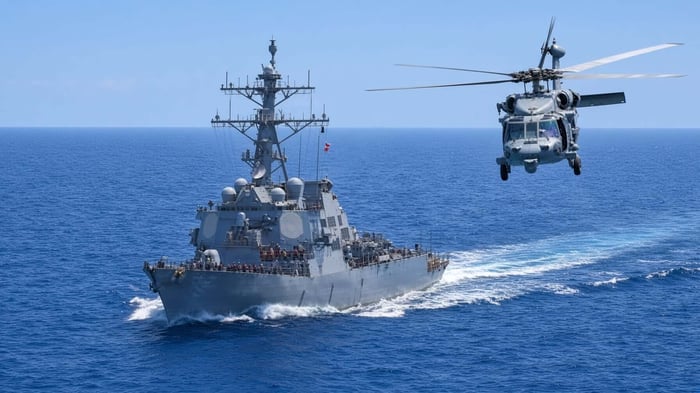 S. permission.
How the Naval Blockade Enforces Compliance at Sea
Enforcement relies first on warnings and course changes. When vessels refuse lawful direction, U.S. Forces board ships to verify cargo and destination or disable propulsion so the vessel cannot complete an unauthorized voyage. Prior actions in this resumed phase included boarding two ships and disabling three others. Carrier strike groups and amphibious forces have supported the campaign across earlier and current phases.
Iranian Crude Oil Shipments Fall Under the Blockade
The effort has reduced Iranian crude oil shipments by denying tankers access to load or depart Iranian terminals without approval. Officials have stated that the blockade allows zero unauthorized trade into and out of Iranian ports and has squeezed Iran economically. President Trump has called the blockade powerful and effective and said Iran has been punished greatly by the pressure campaign while insisting the waterway remains open for non-Iranian traffic.
Strategic Implications for Energy Markets and Security
The operation has drawn mixed reactions. Supporters have pointed to its precision and the fact that humanitarian cargo continues to move. Critics have noted impacts on energy prices as shipping through the broader region tightened at times. U.S. Forces continue to distinguish between the blockade of Iranian ports and freedom of navigation through the international strait, escorting or clearing lanes when required so global energy flows are not held hostage by the regime. The strategic aim remains clear: deny Tehran the revenue that funds its weapons programs and proxies while American sailors keep the world's most vital oil chokepoint from being used as a weapon.
U.S. Forces will maintain the steel wall until the Commander in Chief directs otherwise, enforcing the presidential proclamation with the same precision that produced the 100-ship milestone.
Read More: https://morsereport.com/a/news/trump-predicts-iran-conflict-ends-after-midterms
Republic Trucker Hat - Navy / White

$45.00
SHIPPING FOREWORD: Because all Morse Report products are 100% sourced and manufactured inside of the United States of America at the highest standard of excellence, shipping fulfillment can take anywhere from 5 - 14 days, depending on conditions. THANK YOU!… read more
FAQs
Why Did America Resume the Steel Wall Blockade of Iranian Ports?
President Trump ordered the renewed maritime interdiction to halt unauthorized trade into and out of Iranian ports, cut the regime's oil revenue, and keep the Strait of Hormuz open for legitimate commerce. U.S. Forces have redirected 100 commercial vessels over the past 60 days since the steel wall blockade resumed two months ago, according to U.S. Central Command. Zero ships passed the line without authorization.