Table of Contents
Why Are Rents Falling Fastest Where ICE Deportations Run Highest?
Because DHS reports that states leading interior enforcement are posting the steepest rent declines as fewer illegal workers compete for scarce housing.
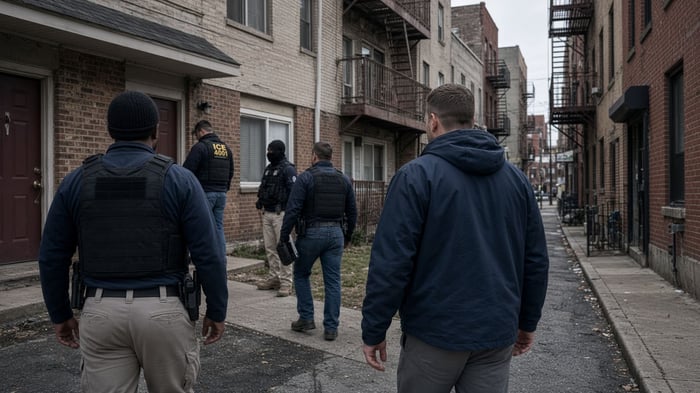
The Department of Homeland Security released figures showing states with the highest ICE deportations experienced the biggest rent decreases. Texas handled a quarter of July arrests and recorded some of the sharpest drops. San Antonio rents fell 4.8 percent, Austin 4.3 percent, and Dallas and Houston about 3 percent. New Orleans dropped 8 percent, Nashville 5.3 percent, and Phoenix 4.2 percent. Atlanta declined 3.2 percent and Miami 2.6 percent. Officials attribute this pattern to fewer illegal workers easing housing pressure in markets that cooperate with ICE.
ICE Deportations and Housing Affordability in Key Cities
President Trump’s enforcement agenda reversed the prior surge in illegal immigration that flooded rental markets. White House statements documented that net international migration collapsed more than 50 percent in 2025, the sharpest drop on record, raising vacancy rates and forcing landlords to compete on price. HUD has noted that foreign-born inflows previously drove a large share of rental demand. With that inflow reversed, American renters face less competition for available units. DHS frames the result directly: interior enforcement reduces rent, especially in states that work with ICE.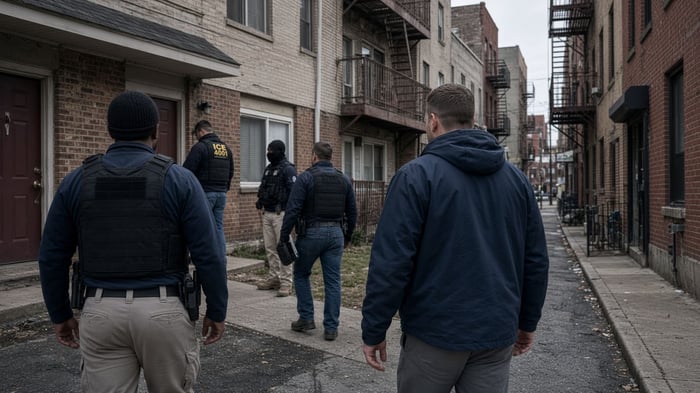
Texas ICE Arrests and Sun Belt Rent Drops
Texas accounted for a quarter of ICE arrests in July, coinciding with rent relief in San Antonio, Austin, Dallas, and Houston. When a state cooperates with federal immigration law, illegal labor markets shrink and pressure on working-class rental stock eases. New apartment construction has also boosted supply in Sun Belt markets, adding units as demand from illegal workers recedes. Both forces can lower asking rents. Officials emphasize that removing illegal workers frees housing absorbed outside the lawful rental pool, while construction adds inventory.
What Mass Deportations Mean for American Renters
President Trump promised to secure the border, enforce the law, and put American families first. White House releases tie falling rents and reduced strain on local services to that promise. For tens of millions of renters, a few percentage points off monthly rent returns hundreds of dollars a year to household budgets. DHS presents the policy choice without ambiguity. Support for mass deportations is presented as a path to a lower cost of living.
High ICE deportations, Texas July arrest volume, an 8 percent drop in New Orleans, a 5.3 percent drop in Nashville, and a 4.2 percent drop in Phoenix form one data chain. DHS links that chain to fewer illegal workers and lower housing pressure. New Sun Belt apartments add supply on the other side of the ledger. DHS treats continued ICE operations in cooperating states as a housing-affordability tool and a sovereignty tool.
Read More: https://morsereport.com/a/news/trump-administration-deports-25000-to-non-native-countries-under-secret-deals
Republic Trucker Hat - Navy / White

$45.00
SHIPPING FOREWORD: Because all Morse Report products are 100% sourced and manufactured inside of the United States of America at the highest standard of excellence, shipping fulfillment can take anywhere from 5 - 14 days, depending on conditions. THANK YOU!… read more
FAQs
Why Are Rents Falling Fastest Where ICE Deportations Run Highest?
Because DHS reports that states leading interior enforcement are posting the steepest rent declines as fewer illegal workers compete for scarce housing.
The Department of Homeland Security released figures showing states with the highest ICE deportations experienced the biggest rent decreases. Texas handled a quarter of July arrests and recorded some of the sharpest drops. San Antonio rents fell 4.8 percent, Austin 4.3 percent, and Dallas and Houston about 3 percent. New Orleans dropped 8 percent, Nashville 5.3 percent, and Phoenix 4.2 percent. Atlanta declined 3.2 percent and Miami 2.6 percent. Officials attribute this pattern to fewer illegal workers easing housing pressure in markets that cooperate with ICE.