Table of Contents
Why Is the Administration Ending the H-1B Grace Period?
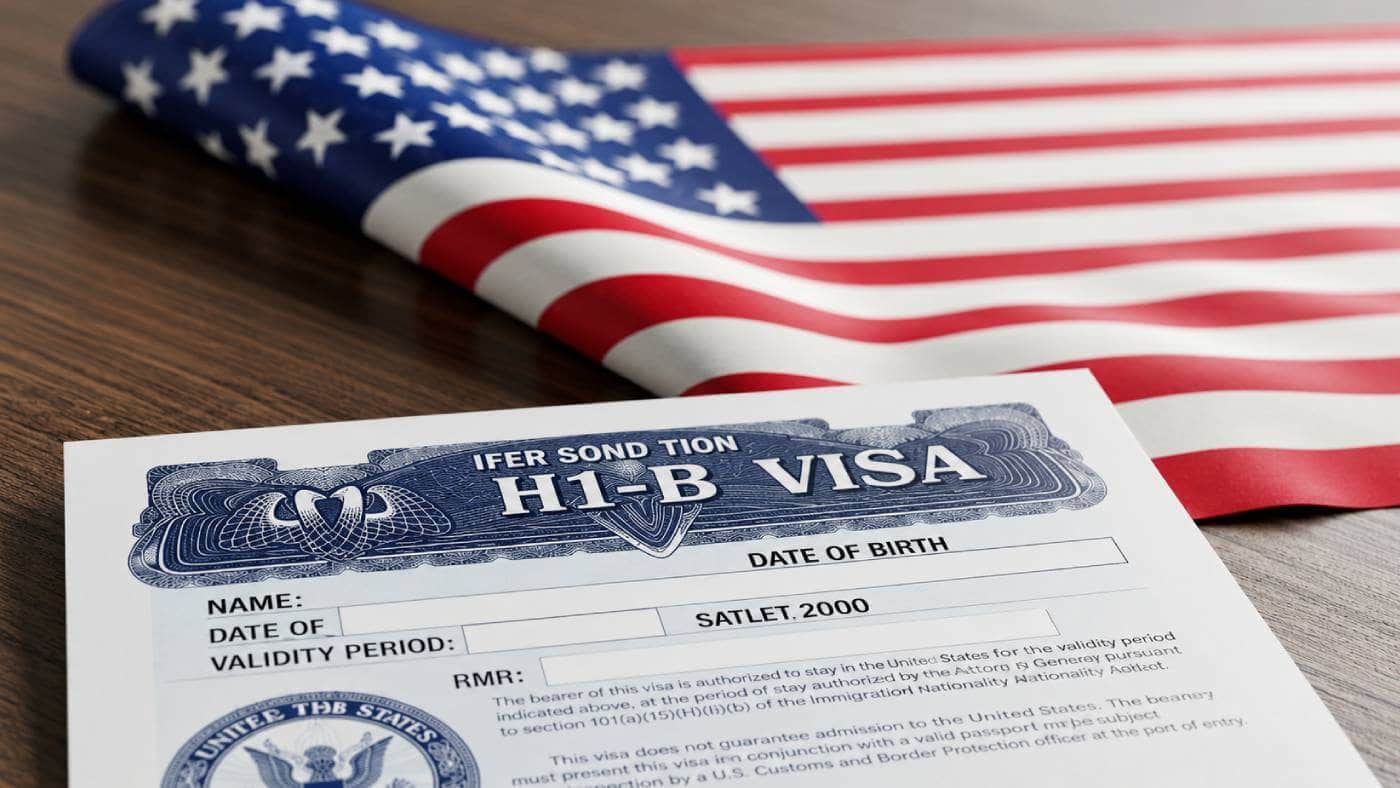
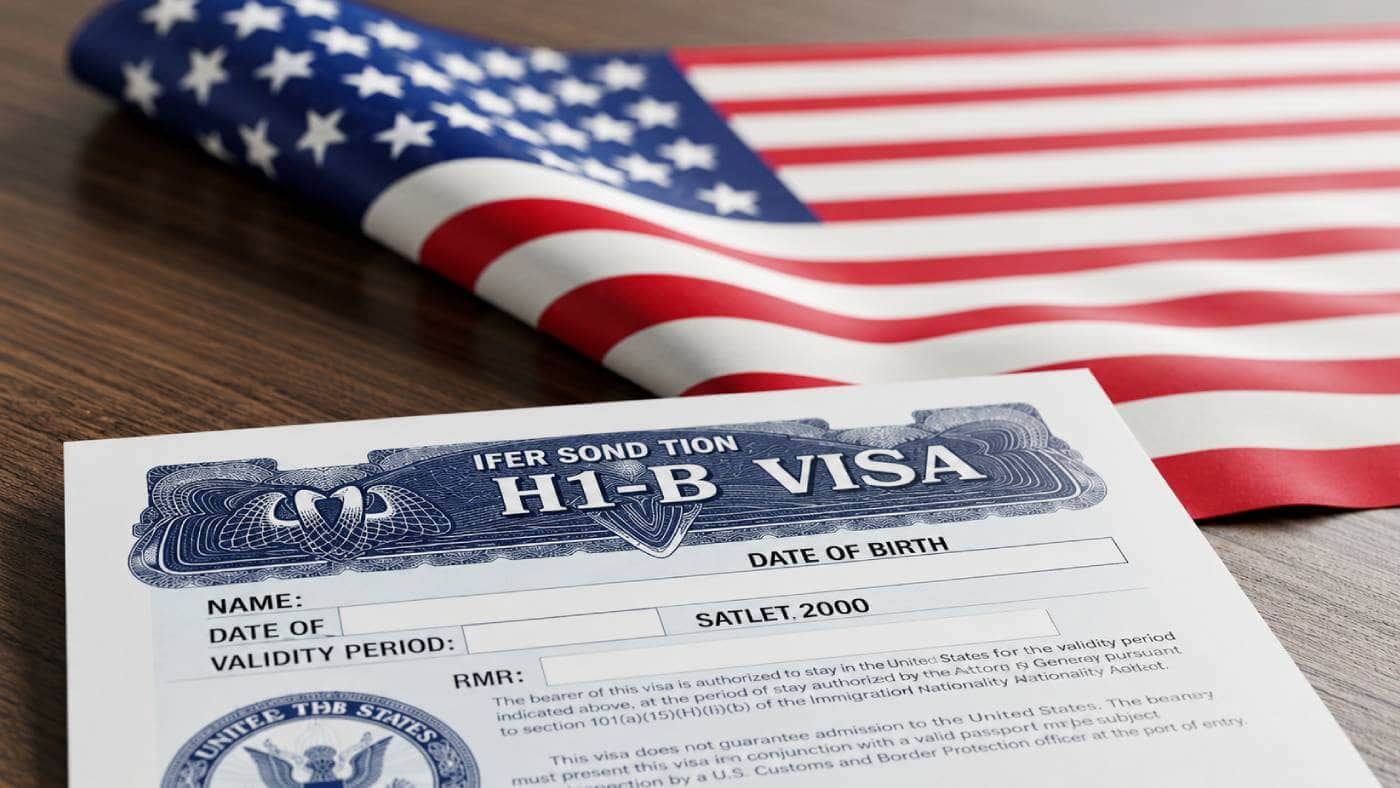
The proposal removes the discretionary H-1B window that previously allowed continued presence after employment ends.
The Department of Homeland Security proposal to eliminate the discretionary 60-day grace period for certain nonimmigrant workers has cleared review at the White House Office of Information and Regulatory Affairs. The rule, designated RIN 1615-AD22 and titled “Eliminating the Discretionary 60-Day Grace Period,” now advances toward publication in the Federal Register for public comment. Under the existing regulation in place since 2017, specialty occupation workers and several other categories received up to 60 consecutive days, or until the expiration of authorized stay, whichever came first, after their employment ceased.
Scope of the Proposed Change to Nonimmigrant Status
The current grace period applies to principal workers in the E-1, E-2, E-3, H-1B, H-1B1, L-1, O-1, and TN classifications as well as their dependents. During that window, the individual is not considered to have failed to maintain status solely because employment ended. The proposed rule would eliminate this discretionary protection. Once employment terminates, the foreign national and dependents would generally cease to maintain status and would be required to depart the United States unless U.S. Citizenship and Immigration Services separately exercises discretion to forgive the lapse and permit a change of status or employer.
Regulatory Process and Next Steps
Clearance by the Office of Information and Regulatory Affairs constitutes a significant procedural milestone. The next formal step is publication of the notice of proposed rulemaking in the Federal Register, followed by a public comment period typically lasting 30 to 60 days. Only after consideration of comments and issuance of a final rule would the change take effect. Until that occurs, the existing 60-day grace period remains fully in force.
Connection to Broader Policy Measures
This is on top of visa applications being frozen or slowed worldwide, and a $103,000 visa fee being implemented. The grace-period proposal forms part of a series of actions affecting the H-1B program and related nonimmigrant categories. Together these measures alter the cost, availability, and continuity of temporary specialty occupation employment. Employers and workers must prepare for compressed timelines in the event of terminations or layoffs once any final rule becomes effective.
Strategic Implications for Workforce and Compliance
Elimination of the grace period would require immediate departure or successful exercise of residual USCIS discretion following job loss. The change increases the premium on careful workforce planning, timely filing of new petitions where possible, and clear off-boarding procedures. By removing the automatic buffer, the regulation aligns authorized presence more tightly with active employment under the terms of the nonimmigrant classification.
The advancement of this H-1B-related proposal through White House regulatory review demonstrates continued administrative focus on the conditions under which temporary foreign workers may remain in the United States after the underlying employment relationship ends. Publication and finalization remain necessary before any operational change occurs.
Read more: https://morsereport.com/a/news/trump-administration-proposes-103265-h-1b-visa-fee
Republic Trucker Hat - Navy / White
$45.00
SHIPPING FOREWORD: Because all Morse Report products are 100% sourced and manufactured inside of the United States of America at the highest standard of excellence, shipping fulfillment can take anywhere from 5 - 14 days, depending on conditions. THANK YOU!… read more

FAQs
Why Is the Administration Ending the H-1B Grace Period?
The proposal removes the discretionary H-1B window that previously allowed continued presence after employment ends.
The Department of Homeland Security proposal to eliminate the discretionary 60-day grace period for certain nonimmigrant workers has cleared review at the White House Office of Information and Regulatory Affairs. The rule, designated RIN 1615-AD22 and titled “Eliminating the Discretionary 60-Day Grace Period,” now advances toward publication in the Federal Register for public comment. Under the existing regulation in place since 2017, specialty occupation workers and several other categories received up to 60 consecutive days, or until the expiration of authorized stay, whichever came first, after their employment ceased.