Table of Contents
Why Is the Trump Administration Proposing a New H-1B Fee?
The proposal seeks to recover costs of the immigration system while reducing employer reliance on foreign specialty workers through a higher H-1B fee.
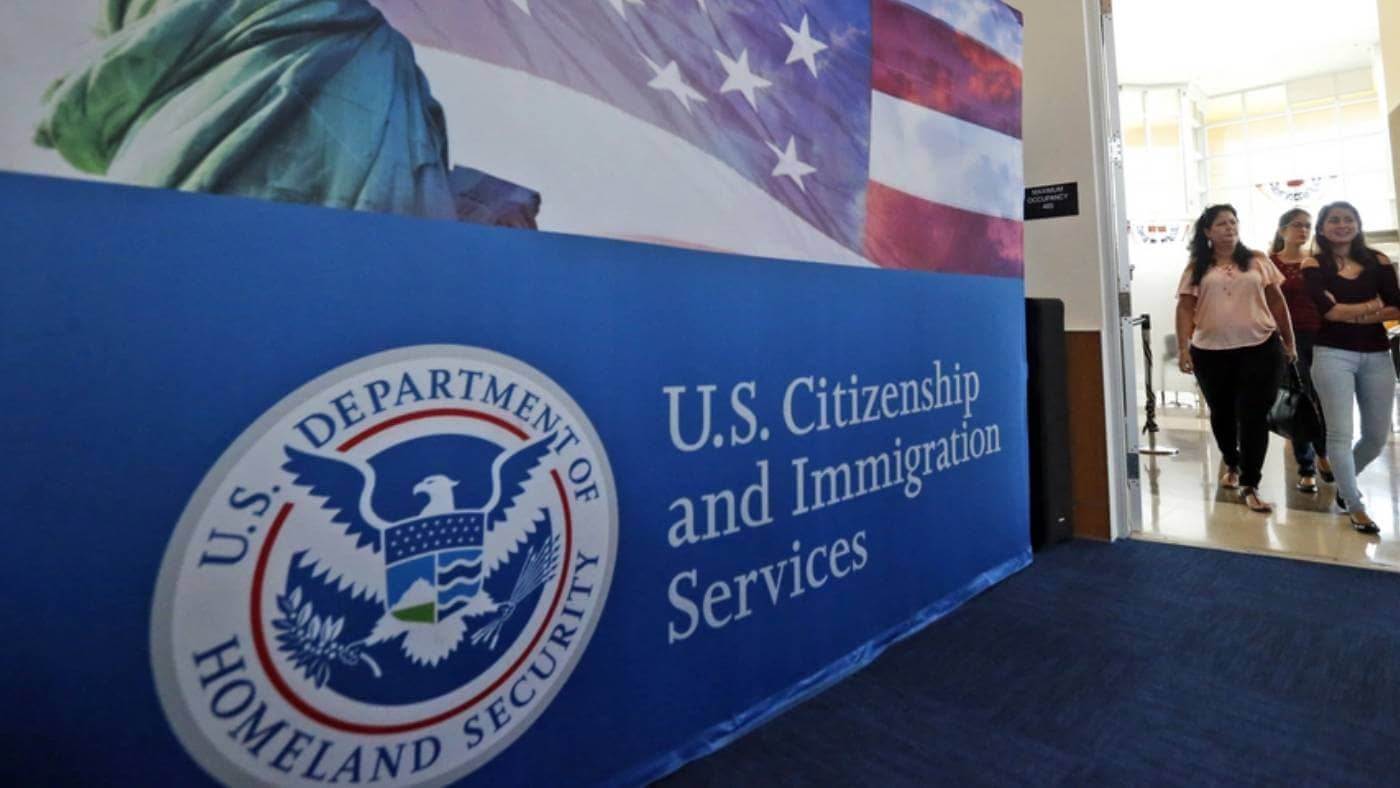
The Trump administration, through the Department of Homeland Security, has proposed a $103,265 fee for every H-1B cap-subject petition. The rule, posted for public inspection and scheduled for Federal Register publication, would apply in addition to existing filing fees and is calculated to generate approximately $8.8 billion annually based on the 85,000 annual cap. Revenue would support U.S. Citizenship and Immigration Services, immigration courts, ICE, the Department of Labor, and other agencies involved in lawful immigration operations.
Details of the Proposed Fee Rule
According to Bloomberg Law, this time it would also apply to workers already inside the United States. The fee targets petitions subject to the annual numerical limit, including those under the advanced-degree exemption, while excluding certain cap-exempt categories such as some university and nonprofit research positions. A previous $100,000 charge imposed by presidential proclamation was struck down by a federal judge as an unlawful tax requiring congressional authorization. The new proposal proceeds through formal notice-and-comment rulemaking.
Purpose and Projected Impact
This will fundamentally reform the immigration system and protect American tech workers. Officials frame the additional cost as a mechanism that makes employers less likely to select foreign labor over equally qualified American candidates for specialty occupations. DHS estimates the fee could lead some employers, including smaller entities, to file fewer petitions. The structure allocates substantial portions of projected revenue to USCIS and the Executive Office for Immigration Review.
Legal and Administrative Context
The proposal follows the temporary proclamation that took effect in 2025 and faced successful legal challenges. By advancing a formal regulation, the administration seeks a durable mechanism grounded in cost-recovery authority under immigration statutes. Public comment will be accepted for 30 days following official publication, after which the rule could be finalized.
Strategic Implications for Workforce Policy
Implementation would significantly raise the financial threshold for participating in the program and redirect substantial new funding into immigration enforcement and adjudication infrastructure. The measure aligns with broader efforts to ensure the specialty occupation visa serves as a supplement rather than a substitute for the domestic workforce. Employers in technology, research, and related sectors would face elevated costs for new cap-subject hires.
The proposed H-1B fee of $103,265 represents a major recalibration of the program’s cost structure under the Trump administration, combining revenue generation for the immigration system with incentives to prioritize American workers.
Read more: https://morsereport.com/a/news/trump-administration-ramps-up-deportations-with-aggressive-push
Republic Trucker Hat - Navy / White
$45.00
SHIPPING FOREWORD: Because all Morse Report products are 100% sourced and manufactured inside of the United States of America at the highest standard of excellence, shipping fulfillment can take anywhere from 5 - 14 days, depending on conditions. THANK YOU!… read more

FAQs
Why Is the Trump Administration Proposing a New H-1B Fee?
The proposal seeks to recover costs of the immigration system while reducing employer reliance on foreign specialty workers through a higher H-1B fee.
The Trump administration, through the Department of Homeland Security, has proposed a $103,265 fee for every H-1B cap-subject petition. The rule, posted for public inspection and scheduled for Federal Register publication, would apply in addition to existing filing fees and is calculated to generate approximately $8.8 billion annually based on the 85,000 annual cap. Revenue would support U.S. Citizenship and Immigration Services, immigration courts, ICE, the Department of Labor, and other agencies involved in lawful immigration operations.