Table of Contents
Why Is Tehran Offering Regional Cooperation Now?
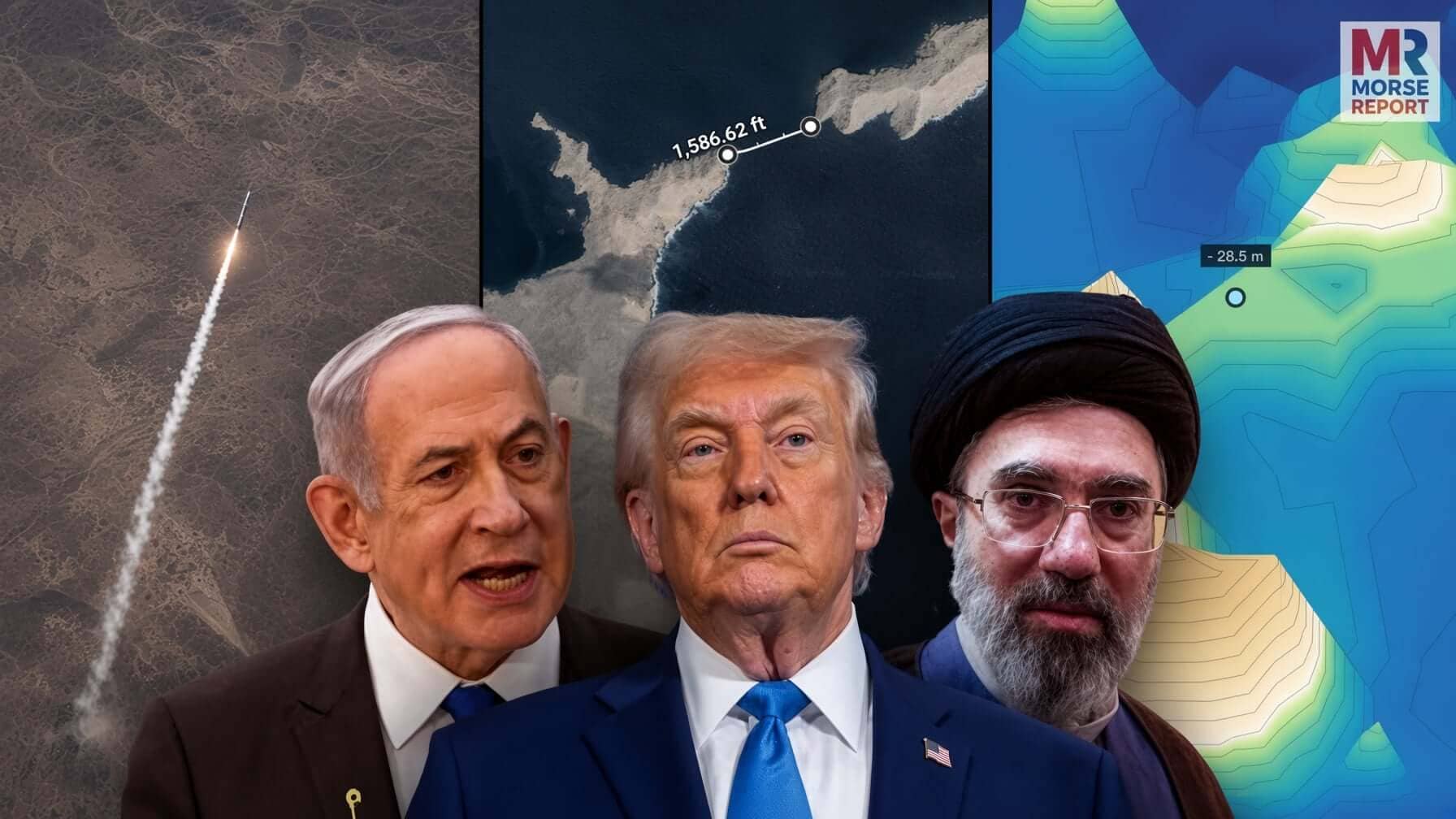
President Masoud Pezeshkian stated that Tehran is ready for cooperation and understanding with regional countries to foster stability. The statement follows United States actions under President Trump that reduced the leverage once held by Iran and reset the energy map of the Middle East.
How Trump Energy Deals and B-2 Strikes Changed the Map
In May 2025, President Trump traveled to Saudi Arabia, Qatar, and the United Arab Emirates and secured $2 trillion in commercial, defense, and investment deals. Those agreements tightened American ties with Gulf partners while advancing a strategy to reduce petrodollar reliance as the frame for energy policy. In June 2025, United States B-2 bombers struck nuclear sites in Iran at Fordow, Natanz, and Isfahan. Officials presented the operation as a precision effort to degrade weapons infrastructure and force a new calculation in Tehran.
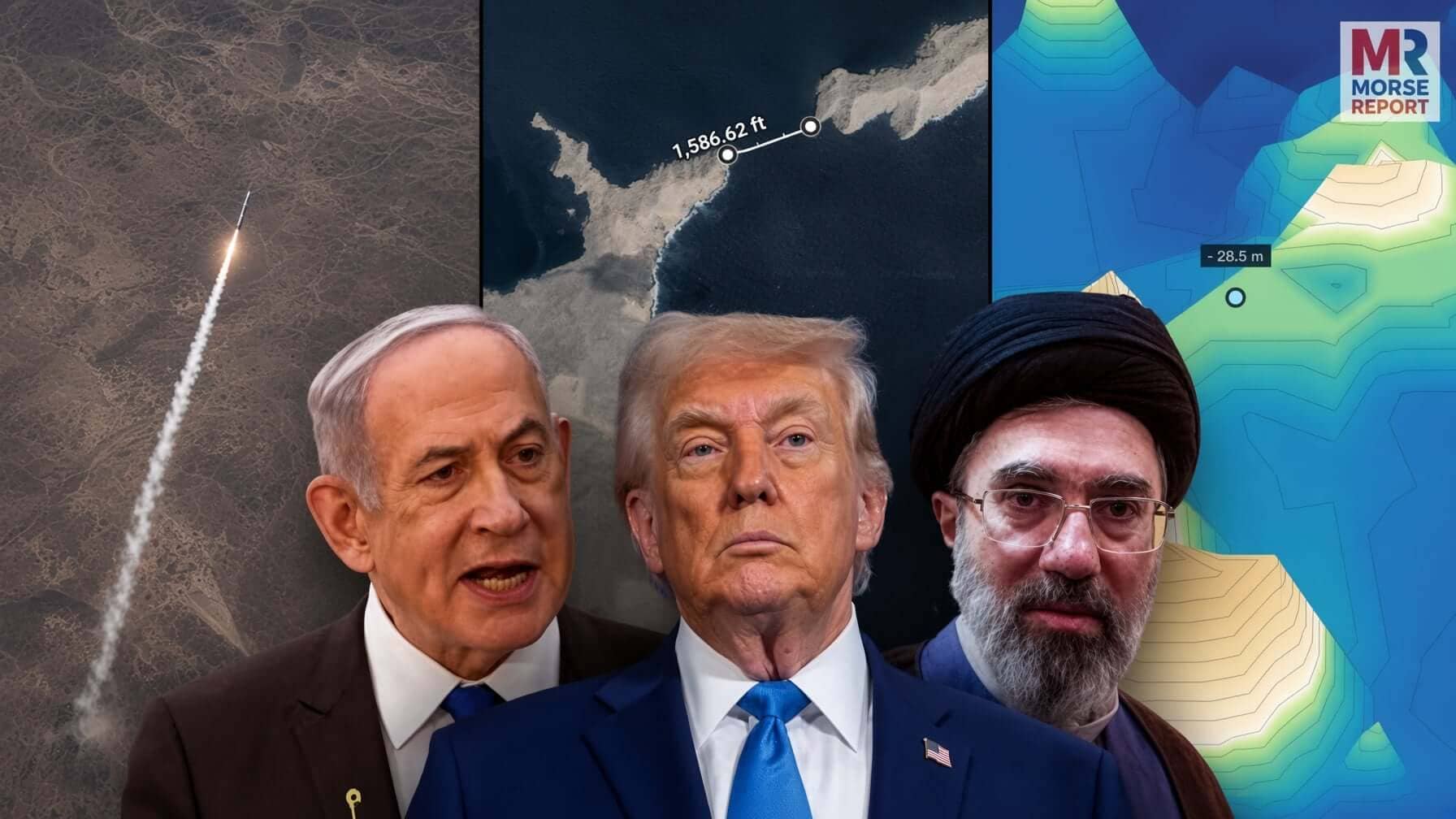
OPEC Fragmentation and U.S. Energy Independence
Washington paired pressure with supply. The United States moved to unlock Venezuelan oil after political realignment in Caracas, drawing barrels toward markets that strengthen American energy independence. OPEC has fragmented. The United Arab Emirates has exited. Venezuela is weighing a departure. Iraq has signaled dissatisfaction with production limits and may follow. A weaker cartel and more diversified supply give the United States greater energy independence and a path to ease military commitments once justified as the cost of guarding a rigid oil order.
Saudi-UAE Rifts and the Risk of a Power Vacuum
A rift between Saudi Arabia and the United Arab Emirates over quotas, influence, and competing economic visions adds another layer. Division among producers limits coordinated pressure on American interests. It also creates a vacuum that rivals such as Russia or China could try to fill. Policy under President Trump has treated that risk as a reason for strength: lock in Gulf investment, restore Western Hemisphere supply, and deny Tehran nuclear leverage over the region.
What Regional Stability Requires After the Reset
Pezeshkian’s offer of understanding with neighbors, including Saudi Arabia and the United Arab Emirates, arrived after those facts were set. Tehran proposed mutual security arrangements, mediation tools, and deeper economic ties among Muslim countries. When energy markets are less captive to one cartel, when Venezuelan supply returns to the Western system, and when nuclear sites in Iran have been struck from the air, outreach from Tehran is a response to American initiative. Stability that protects energy independence, reduces unnecessary overseas burdens, and keeps Russia and China from filling a vacuum is the standard that matters. That is why the offer came now, and why United States strategy toward Iran remains central to this reset. The facts leave no doubt about the sequence: American deals, American strikes, then a call from Iran for cooperation.
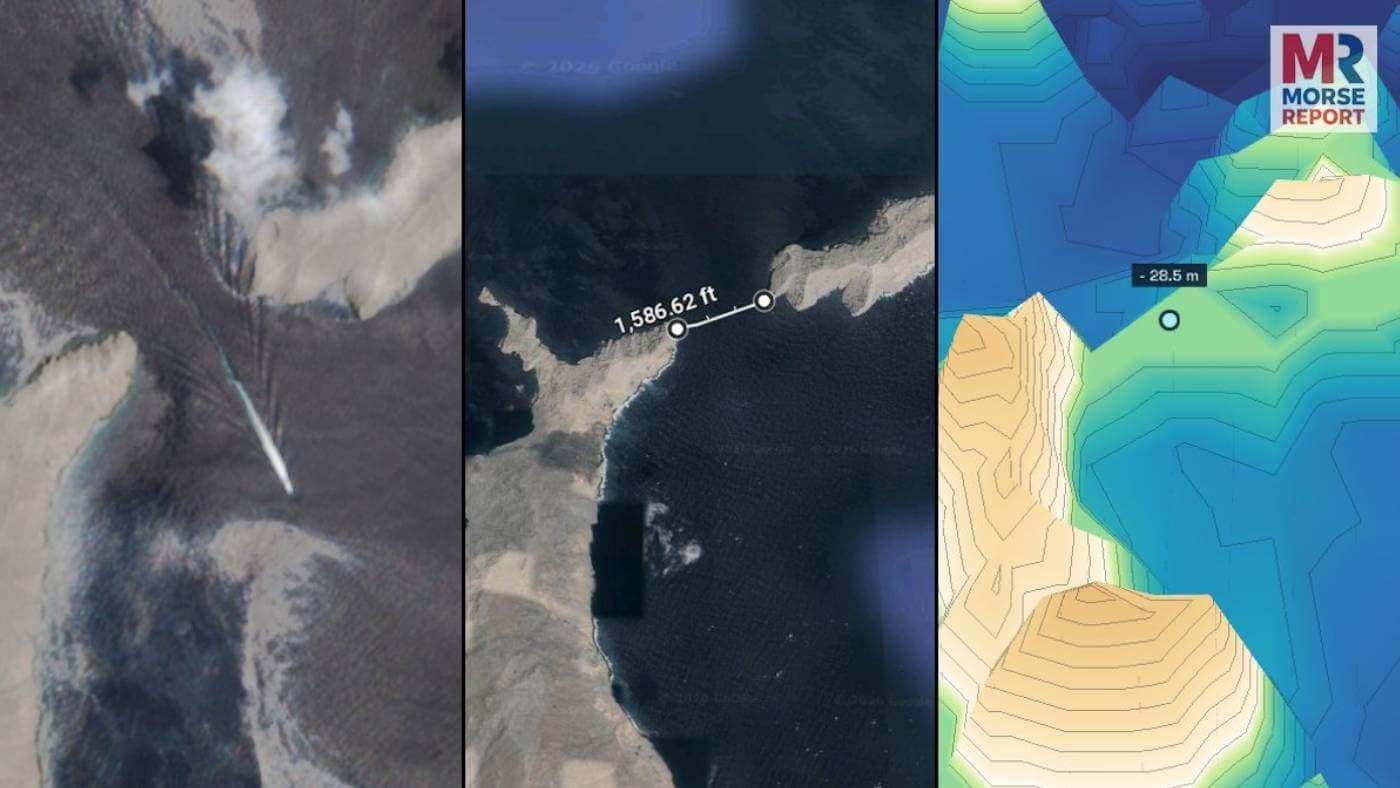
Read More: https://morsereport.com/a/news/dredging-in-hormuz-strait-spotted-on-satellite
Republic Trucker Hat - Navy / White
$45.00
SHIPPING FOREWORD: Because all Morse Report products are 100% sourced and manufactured inside of the United States of America at the highest standard of excellence, shipping fulfillment can take anywhere from 5 - 14 days, depending on conditions. THANK YOU!… read more

FAQs
Why Is Tehran Offering Regional Cooperation Now?
President Masoud Pezeshkian stated that Tehran is ready for cooperation and understanding with regional countries to foster stability. The statement follows United States actions under President Trump that reduced the leverage once held by Iran and reset the energy map of the Middle East.