Table of Contents
Why Are Hundreds Rallying Against California’s New Privacy Law?
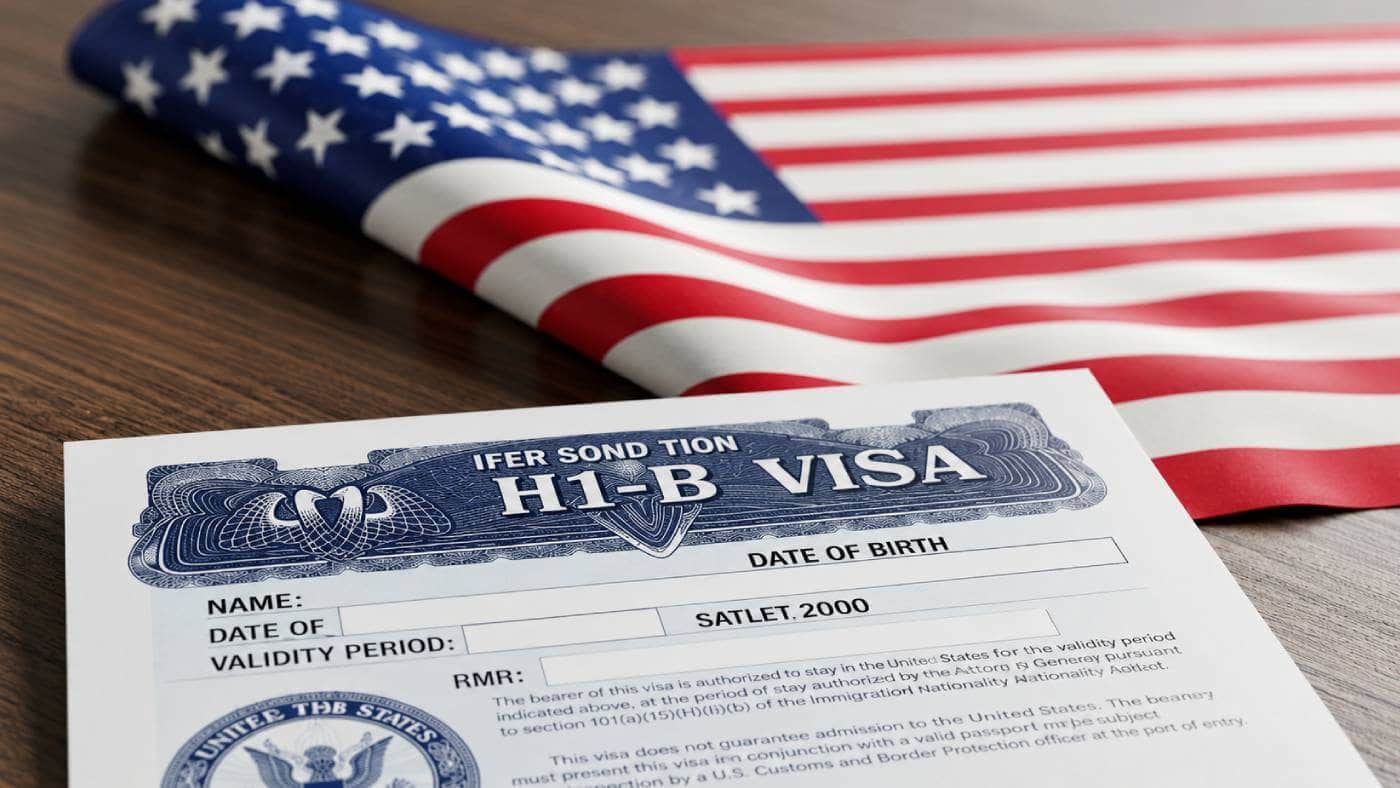
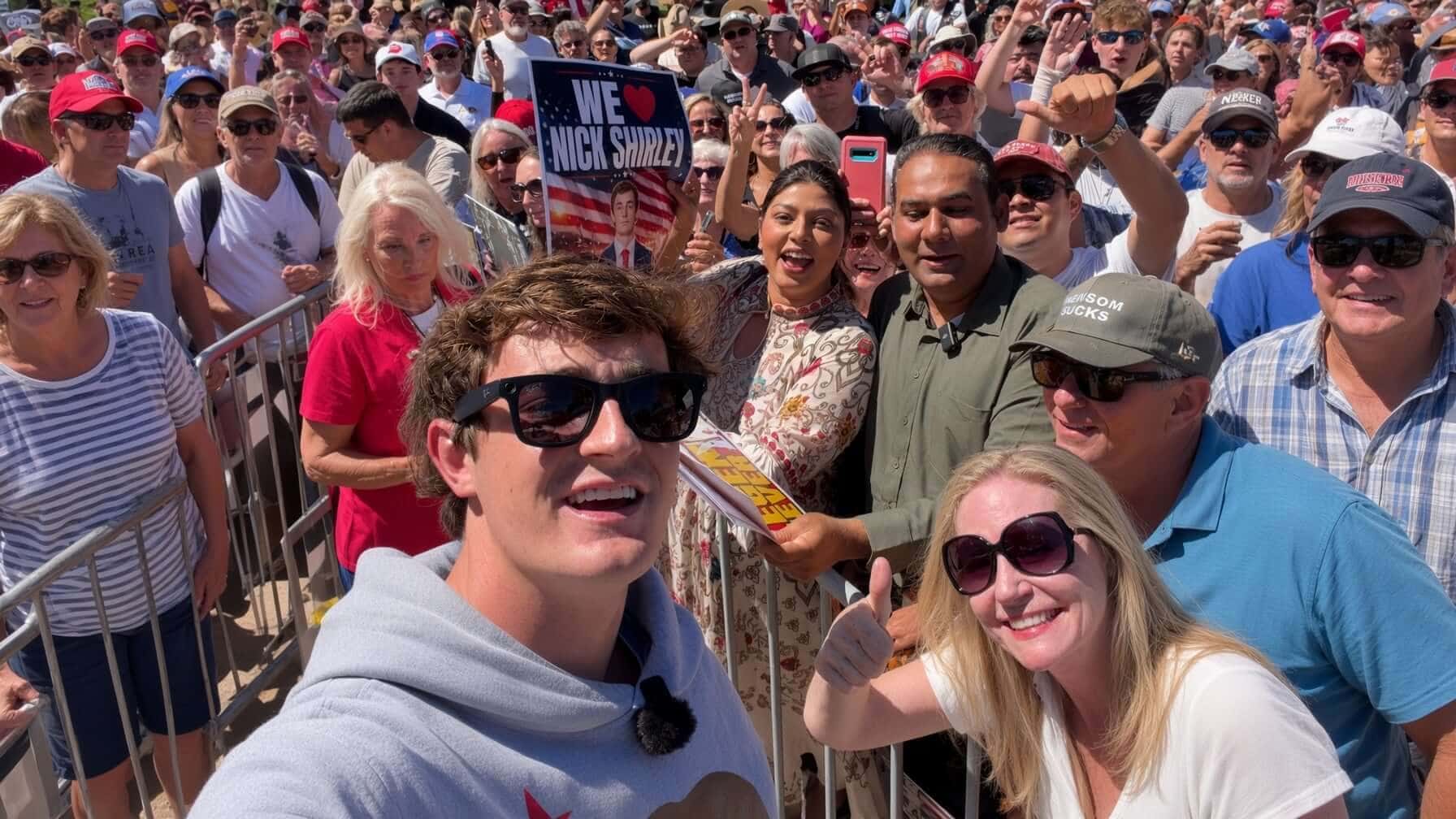
Independent journalist Nick Shirley led about 500 supporters to the California State Capitol in Sacramento on August 26 to protest Assembly Bill 2624, signed by Governor Gavin Newsom days earlier. The law expands Safe at Home address confidentiality to immigration support service providers, employees, and volunteers, allowing home addresses to be removed from public records beginning October 1, 2027, and restricting online posting of personal information or images when done with intent to threaten or incite imminent harm. Critics say the measure blocks scrutiny of potential fraud in tax-funded programs rather than merely protecting workers from harassment.
What Does Assembly Bill 2624 Change?
Authored by Assemblymember Mia Bonta and passed along party lines, AB 2624 lets eligible providers register with the Secretary of State after documenting a qualifying threat and receive a substitute address that agencies must generally use on public records. Civil remedies include a minimum $4,000 recovery for knowing publication of protected information when harmful intent is proven. Newsom signed the bill on August 22. Supporters of the statute describe it as an extension of protections already given to domestic-violence survivors and certain healthcare workers.
Why Do Critics Call It the Stop Nick Shirley Act?
Republican Assemblymember Carl DeMaio coined the Stop Nick Shirley Act label after videos alleging fraud at immigrant-serving daycares and hospice operations in Minnesota and California. At the rally, Nick Shirley said officials created a protected class instead of pursuing alleged fraudsters and told a New York Times reporter that the public demands spending transparency. Supporters chanted, sold “Califraudia Republic” merchandise, and argued there is nothing controversial about exposing fraud: those who make it controversial are the ones involved in it, and California’s secrecy push after those investigations exposed that priority.
What Happened at the Capitol, and What Comes Next?
Police separated the crowd from counter-protesters; Sacramento Police reported assault-related arrests of counter-protesters and no serious injuries. Republican Senators Tony Strickland and Shannon Grove warned of First Amendment problems. Counsel affiliated with the Pacific Justice Institute said they will sue if the law is used against journalists documenting publicly funded facilities. Representative Beth Van Duyne and Republican Study Committee colleagues urged Attorney General Blanche to review the statute, arguing states should combat fraud rather than punish those who uncover it. The law takes effect October 1, 2027. The remaining question is simple: public money requires public visibility, which is why hundreds stood with Nick Shirley on the Capitol steps.
Read More: https://morsereport.com/a/news/medicare-fraud-in-la-leads-to-27m-charge-for-hospice-owner
Republic Trucker Hat - Navy / White
$45.00
SHIPPING FOREWORD: Because all Morse Report products are 100% sourced and manufactured inside of the United States of America at the highest standard of excellence, shipping fulfillment can take anywhere from 5 - 14 days, depending on conditions. THANK YOU!… read more

FAQs
Why Are Hundreds Rallying Against California’s New Privacy Law?
Independent journalist Nick Shirley led about 500 supporters to the California State Capitol in Sacramento on August 26 to protest Assembly Bill 2624, signed by Governor Gavin Newsom days earlier. The law expands Safe at Home address confidentiality to immigration support service providers, employees, and volunteers, allowing home addresses to be removed from public records beginning October 1, 2027, and restricting online posting of personal information or images when done with intent to threaten or incite imminent harm. Critics say the measure blocks scrutiny of potential fraud in tax-funded programs rather than merely protecting workers from harassment.