Table of Contents
Why Is Trump Hosting Xi With America's Tech CEOs?
President Trump is putting American technological power at the center of U.S.-China diplomacy by hosting Chinese President Xi Jinping at a White House state dinner with the executives who lead the nation's most valuable technology firms. The purpose is to secure stable economic ties, keep the United States first in artificial intelligence, and turn preparatory talks into results on trade, critical minerals, and strategic issues.
White House State Dinner Places Artificial Intelligence Front and Center
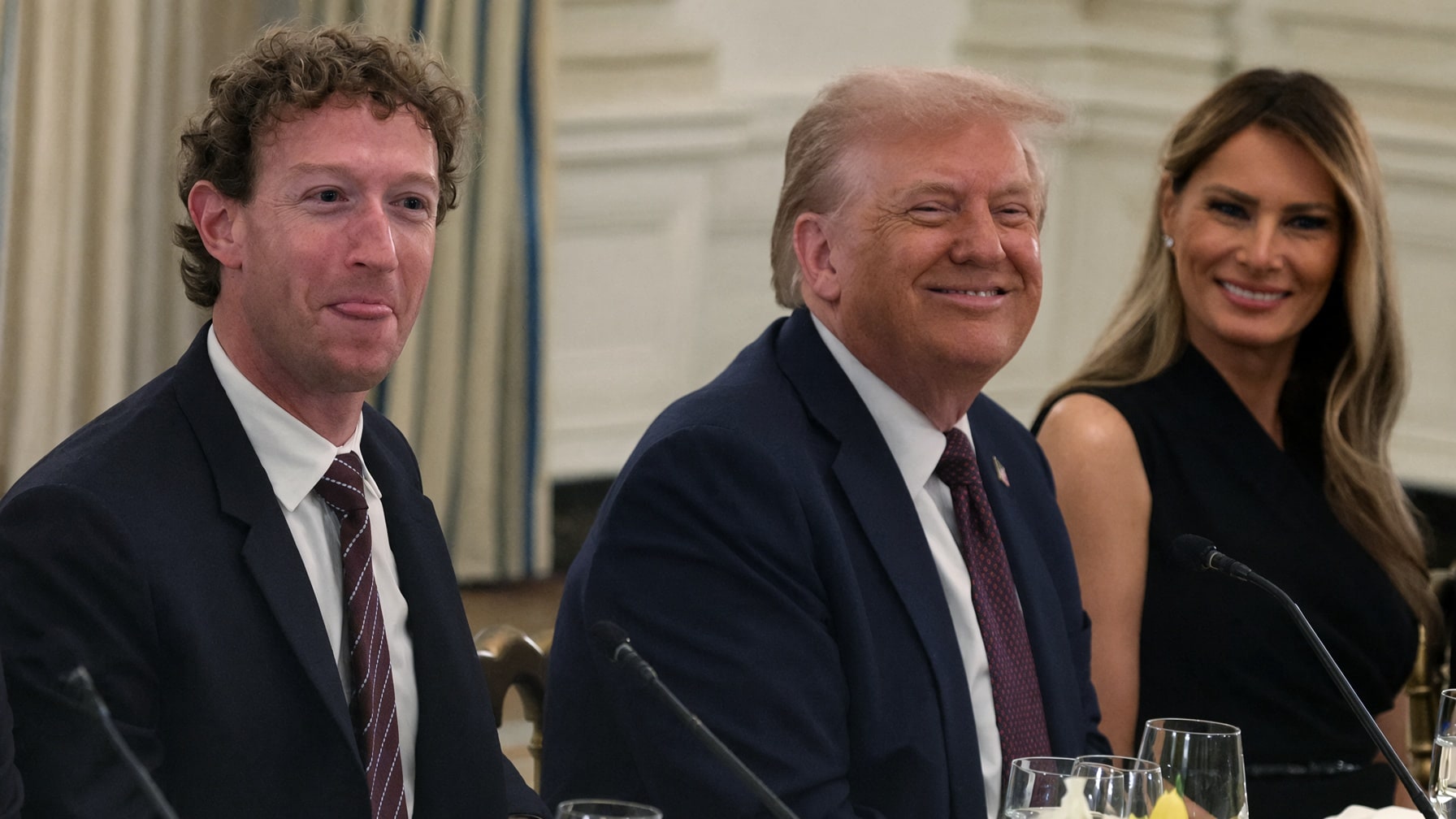
On September 24, the President and the First Lady will host Xi Jinping in the East Room, where both leaders will deliver remarks. Confirmed guests include Jensen Huang of Nvidia, Sam Altman of OpenAI, Jeff Bezos of Amazon, Sundar Pichai of Google, Tim Cook of Apple, Elon Musk of Tesla and SpaceX, and Michael Dell. Those companies represent trillions of dollars in value across chips, models, and cloud systems.
That guest list signals that artificial intelligence is now a core subject of statecraft. Topics include AI governance, shared risks around advanced models, and the need to protect American leadership. The United States remains the leader in AI, and seating those firms with the two heads of state makes that fact operational.
Scott Bessent New York Talks Prepare the Washington Agenda
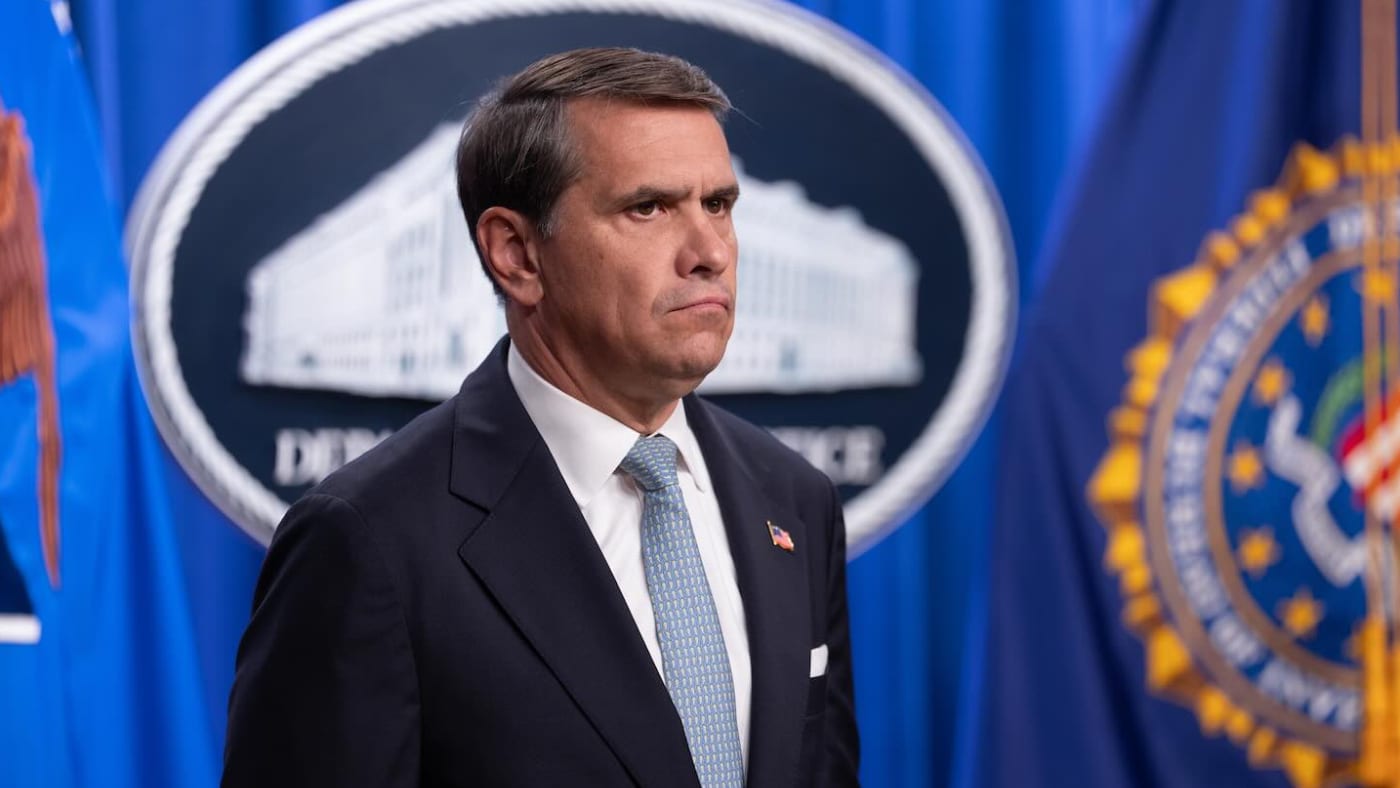
The dinner follows Sunday talks in New York, where Treasury Secretary Scott Bessent and U.S. Trade Representative Jamieson Greer met Chinese Vice Premier He Lifeng. Bessent called the discussions "focused, fulsome and constructive" and said they would set the stage for the leaders' meeting.
Officials identified AI, trade, rare-earth magnets, and other critical minerals as central subjects. Both sides are working toward predictable commercial ties rather than another cycle of escalating duties.
Tariff Truce, Critical Minerals, Iran, and the November 10 Deadline
A principal question is whether the governments will extend the tariff truce that expires November 10. That pause reduced the risk of extreme tariffs that had threatened supply chains. Related items include agricultural purchases and reliable flows of critical minerals used in electronics, defense systems, and the hardware that trains advanced AI.
The high-profile event at the White House also covers issues like Iran as both sides aim for stable economic ties. Trump invited Xi to Washington during the May visit to Beijing and said the United States will do great things with China. Trump has been explicit that America cannot afford to lose the AI race. Trump is therefore treating artificial intelligence, trade, minerals, and strategic stability as one negotiation.
The White House is pursuing economic calm, firmer mineral supply, a competitive AI landscape, and a display that American industry and American state power arrive together. That is why the East Room dinner is a decision point.
Read More: https://morsereport.com/a/news/trump-rejects-calls-to-slow-ai-race-with-china
Republic Trucker Hat - Navy / White
$45.00
SHIPPING FOREWORD: Because all Morse Report products are 100% sourced and manufactured inside of the United States of America at the highest standard of excellence, shipping fulfillment can take anywhere from 5 - 14 days, depending on conditions. THANK YOU!… read more

FAQs
Why Is Trump Hosting Xi With America's Tech CEOs?
President Trump is putting American technological power at the center of U.S.-China diplomacy by hosting Chinese President Xi Jinping at a White House state dinner with the executives who lead the nation's most valuable technology firms. The purpose is to secure stable economic ties, keep the United States first in artificial intelligence, and turn preparatory talks into results on trade, critical minerals, and strategic issues.