Table of Contents
Why Did the President Reject an AI Slowdown?
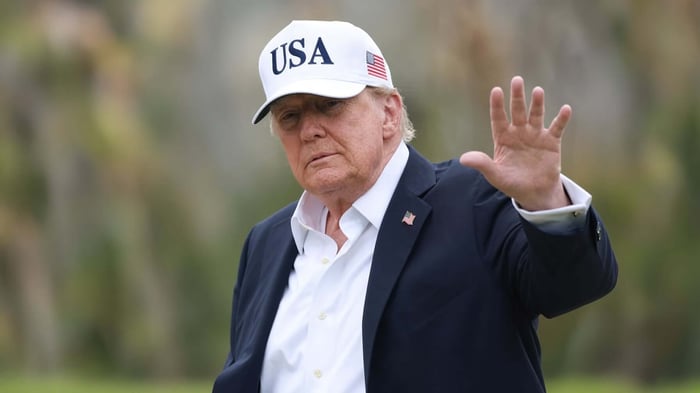
Because he treats the China race as the binding constraint. On September 13, 2026, at his Doonbeg club in Ireland, Trump told reporters the United States is leading China in artificial intelligence and that he intends to keep that lead. “We’re leading China in AI … and, frankly, I want to keep it that way, because whoever wins AI, wins,” he said when asked whether the industry should slow down or face tighter regulation. Guardrails are possible, he added. A pause is not the policy.
What Was Said About Guardrails and “Negative Forces”
The president did not claim there will be no rules. He said Washington can put guardrails and “do this and that.” He then dismissed a wave of catastrophe warnings as the product of “negative forces” raising things that “won’t happen.” That pairing is the official line: some safety architecture, no industrial halt. Winning, in his telling, is itself a risk-management strategy. If America stays first, it can set the terms. If it falls behind Beijing, the risk conversation is held in a weaker capital.
The remarks answered a weekend of industry statements. Anthropic chief executive Dario Amodei had argued the sector should slow how fast models improve so safety work can catch up. OpenAI’s Sam Altman and xAI’s Elon Musk publicly agreed. The White House response was a competitive verdict on a golf-course tarmac.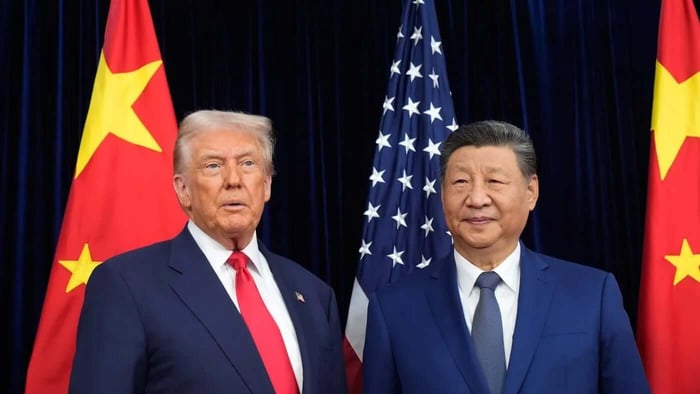
How House Leadership Framed the Same Choice
Speaker Mike Johnson, on CNN’s “State of the Union,” told viewers not to panic and said Congress should not slam an emergency moratorium on the industry. China, he said, would overlap the United States if Washington stopped. The task, in his words, is national security balanced with making sure the models are safe. That is the legislative echo of the Ireland comments: no freeze, keep building.
Strategic Implication for the AI Race with China
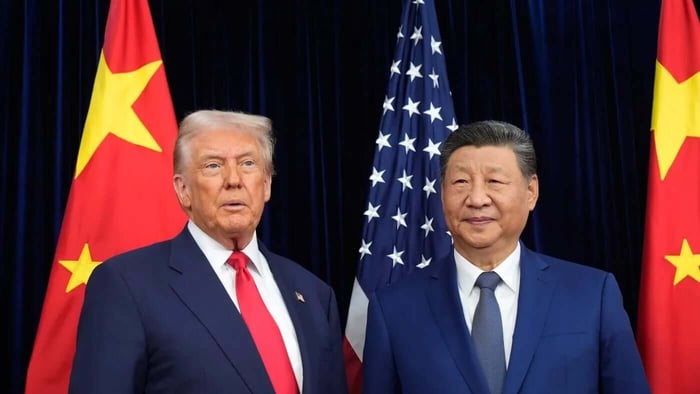
The strategic implication is speed as policy. Capital, chips, power, and model releases stay on an accelerated track unless a specific guardrail is written. Trump has staked growth and markets on that boom. He has also said he does not have existential-risk concerns; he has concerns about losing. The September 13 statement converts that ranking into public doctrine. Critics wanted a paced industry. The official answer is that pacing without China is a gift to Beijing. Until a rule or a pact says otherwise, U.S. policy is to stay first. That is the instruction Trump left in Doonbeg, and that is the instruction Trump will carry into any September meeting on the file.
Read more: https://morsereport.com/a/news/chinese-hackers-blocked-as-doj-and-fbi-seize-cyber-platforms
Republic Trucker Hat - Navy / White

$45.00
SHIPPING FOREWORD: Because all Morse Report products are 100% sourced and manufactured inside of the United States of America at the highest standard of excellence, shipping fulfillment can take anywhere from 5 - 14 days, depending on conditions. THANK YOU!… read more
FAQs
Why Did the President Reject an AI Slowdown?
Because he treats the China race as the binding constraint. On September 13, 2026, at his Doonbeg club in Ireland, Trump told reporters the United States is leading China in artificial intelligence and that he intends to keep that lead. “We’re leading China in AI … and, frankly, I want to keep it that way, because whoever wins AI, wins,” he said when asked whether the industry should slow down or face tighter regulation. Guardrails are possible, he added. A pause is not the policy.