Table of Contents
Why Is Wisconsin Blocking Federal Citizenship Verification for Voters?
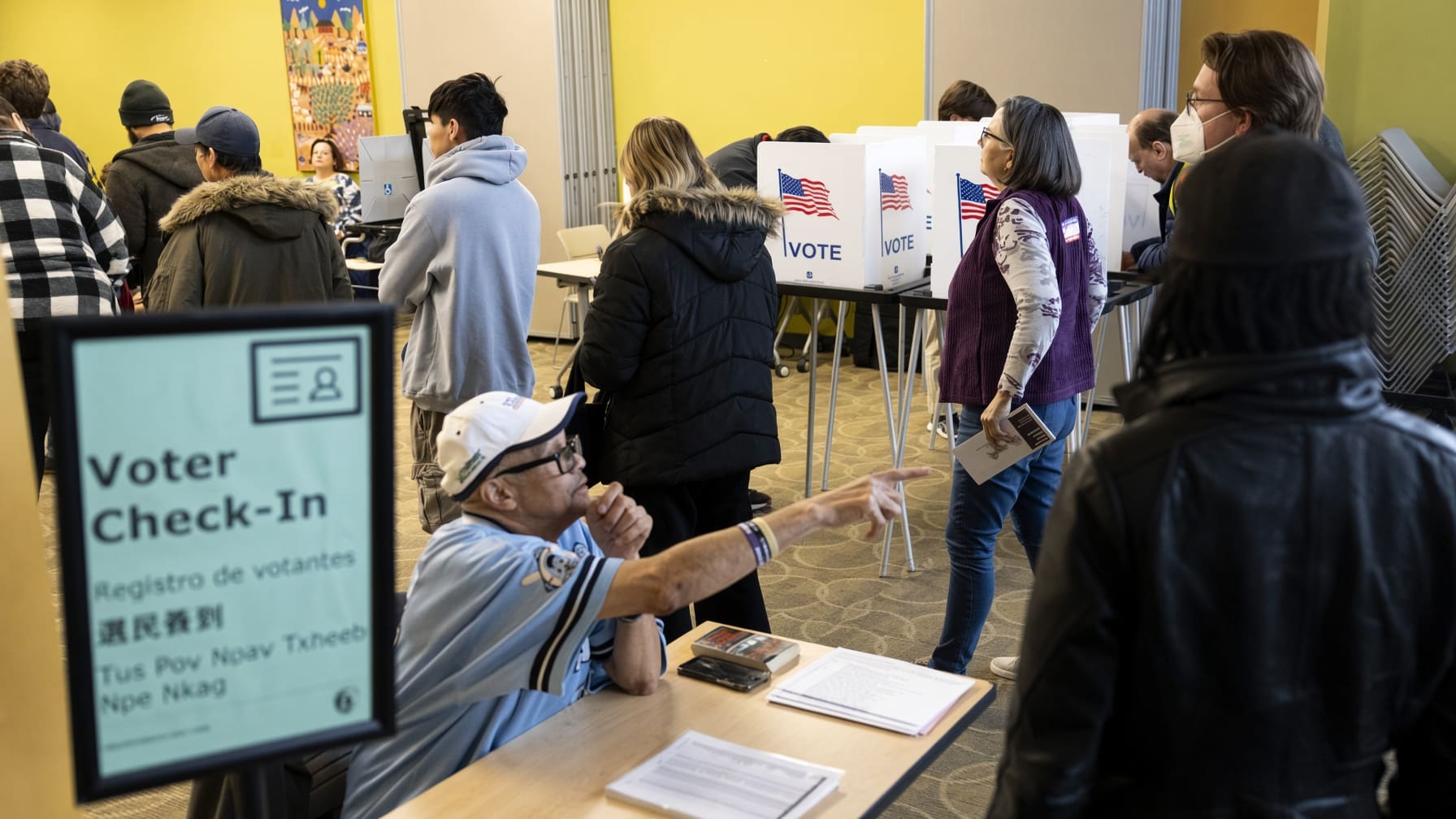
Wisconsin's Elections Commission has barred local clerks from accessing a federal tool designed to confirm voter citizenship, leaving the state reliant on self-attestation just weeks before a critical election.
The Elections Commission issued official guidance on October 15, 2026, confirming clerks cannot use the federal Systematic Alien Verification for Entitlements (SAVE) system to conduct citizenship checks on registered voters. This decision came less than three weeks before the November 3 election and shortly after the U.S. Supreme Court, on September 25, lifted a lower court injunction that had previously restricted use of the modified SAVE program.
How State Privacy Laws Block the SAVE System
Under the commission's guidance, state law specifically prohibits election officials from disclosing voters' personally identifiable information, including dates of birth and Social Security numbers. As a result, the guidance states that it is impossible for election officials to use SAVE under existing state statutes.
Wisconsin continues to rely on voters' sworn statements of citizenship made during registration under penalty of perjury. Election officials have noted that there have been few documented cases of illegal voting, and none involving noncitizens.
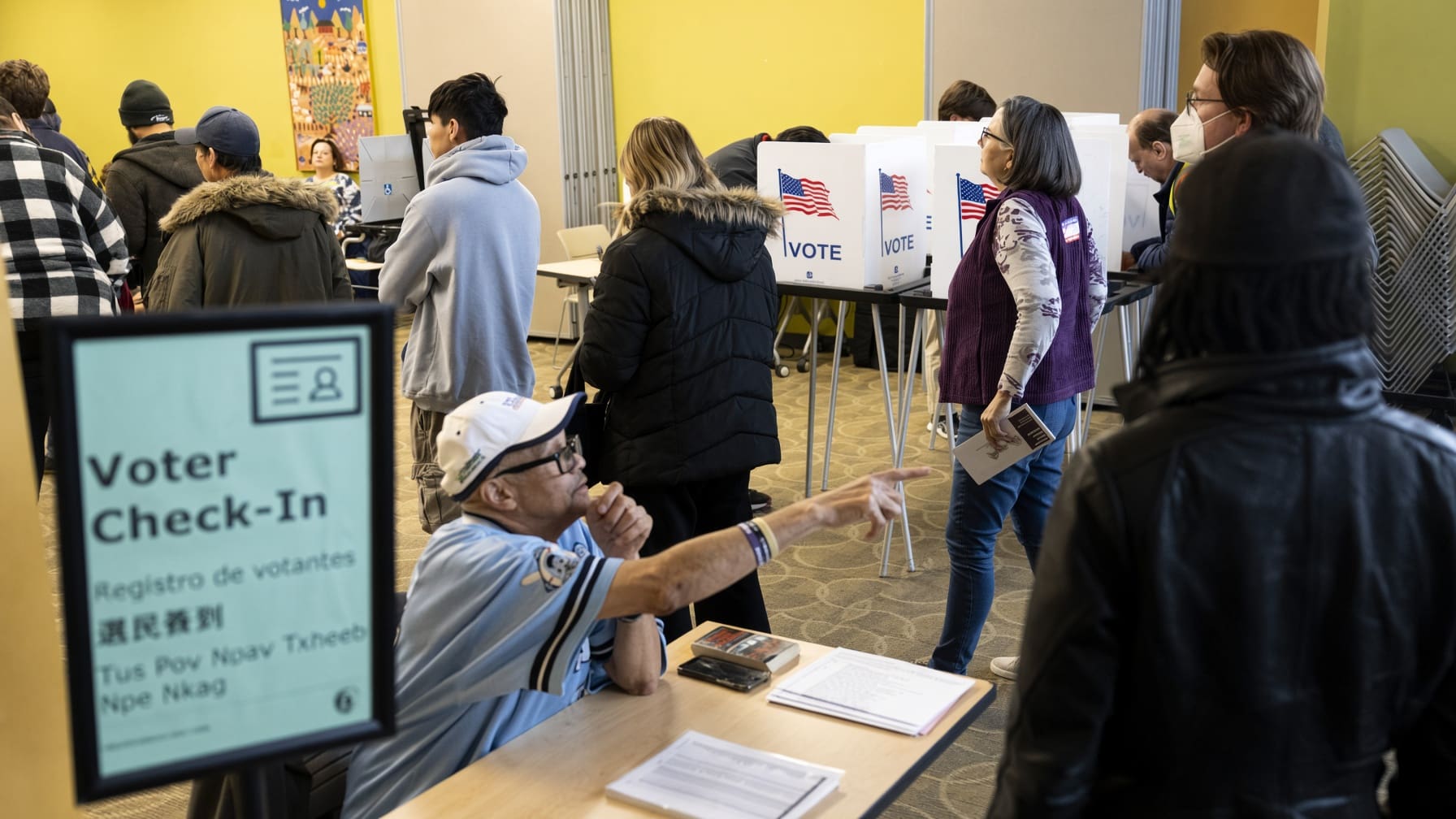
Strategic Implications for Election Integrity and Federal Policy
The SAVE system, long used by the Department of Homeland Security to verify immigration status for benefits, was expanded under President Trump's executive order to allow state and local officials to cross-check voter rolls for citizenship. The Supreme Court's September 25 order removed a federal barrier. However, privacy restrictions create a practical barrier in Wisconsin.
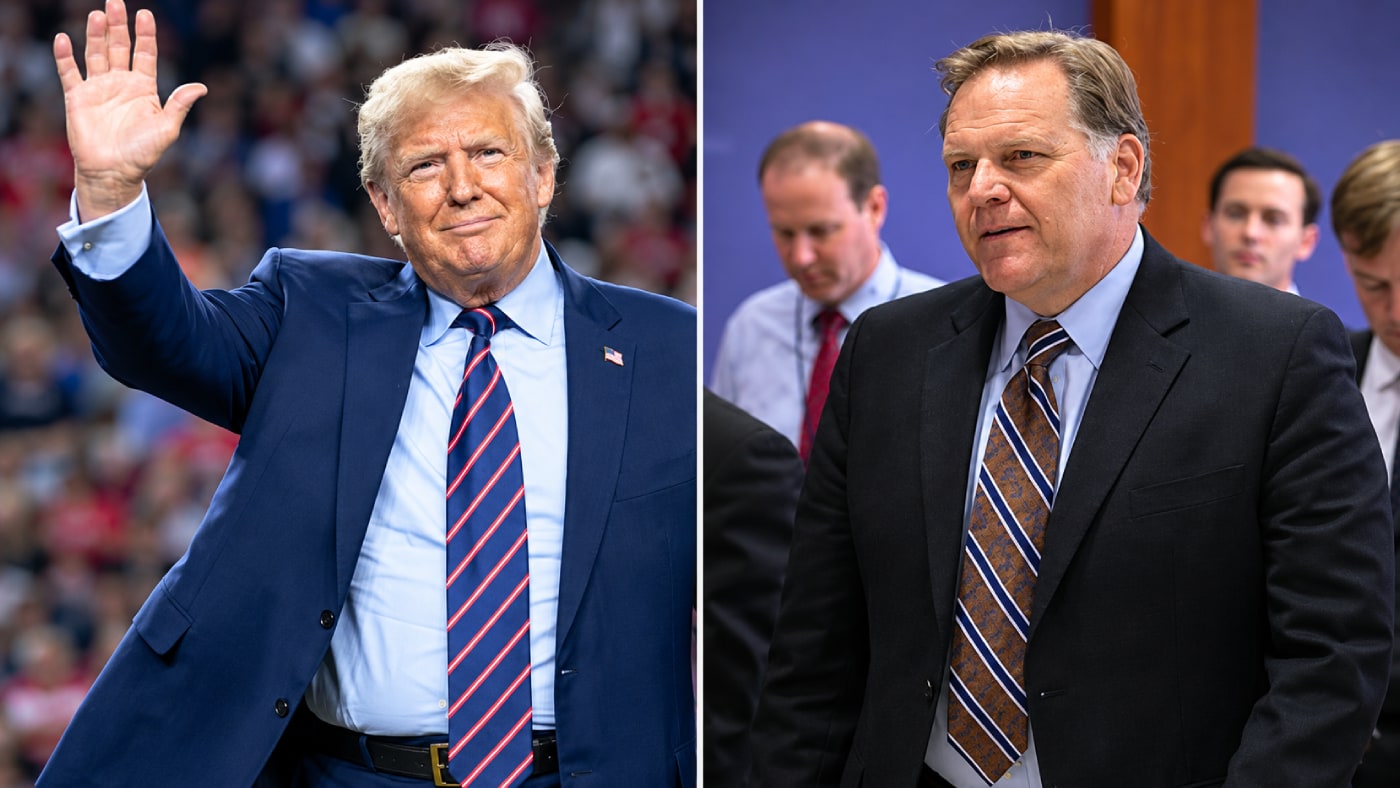
Critics like Sen. Mike Lee call it an invitation to fraud, while the move fuels debates in tight races for governor and secretary of state amid early voting. President Trump's administration has prioritized citizenship verification as a core election integrity measure.
What This Means for Voters and Officials Ahead of the Election
The approach maintains self-certification, consistent with longstanding state law and practice. Local clerks must continue under existing procedures, without access to the federal database for proactive checks.
As early voting proceeds and Election Day approaches, the policy underscores the tension between state privacy protections and federal tools aimed at confirming only citizens cast ballots. Legislative action would be required to enable clerks to utilize the system in its current form. Officials maintain that the existing safeguards are sufficient given the low incidence of reported violations. Wisconsin's choice leaves verification to self-reporting.
Read More: DOJ Sues Over Noncitizen Voting in California – Morse Report
Republic Trucker Hat - Navy / White
$45.00
SHIPPING FOREWORD: Because all Morse Report products are 100% sourced and manufactured inside of the United States of America at the highest standard of excellence, shipping fulfillment can take anywhere from 5 - 14 days, depending on conditions. THANK YOU!… read more

FAQs
Why Is Wisconsin Blocking Federal Citizenship Verification for Voters?
Wisconsin's Elections Commission has barred local clerks from accessing a federal tool designed to confirm voter citizenship, leaving the state reliant on self-attestation just weeks before a critical election.
The Elections Commission issued official guidance on October 15, 2026, confirming clerks cannot use the federal Systematic Alien Verification for Entitlements (SAVE) system to conduct citizenship checks on registered voters. This decision came less than three weeks before the November 3 election and shortly after the U.S. Supreme Court, on September 25, lifted a lower court injunction that had previously restricted use of the modified SAVE program.