Table of Contents
Why Did the Justice Department Sue California?
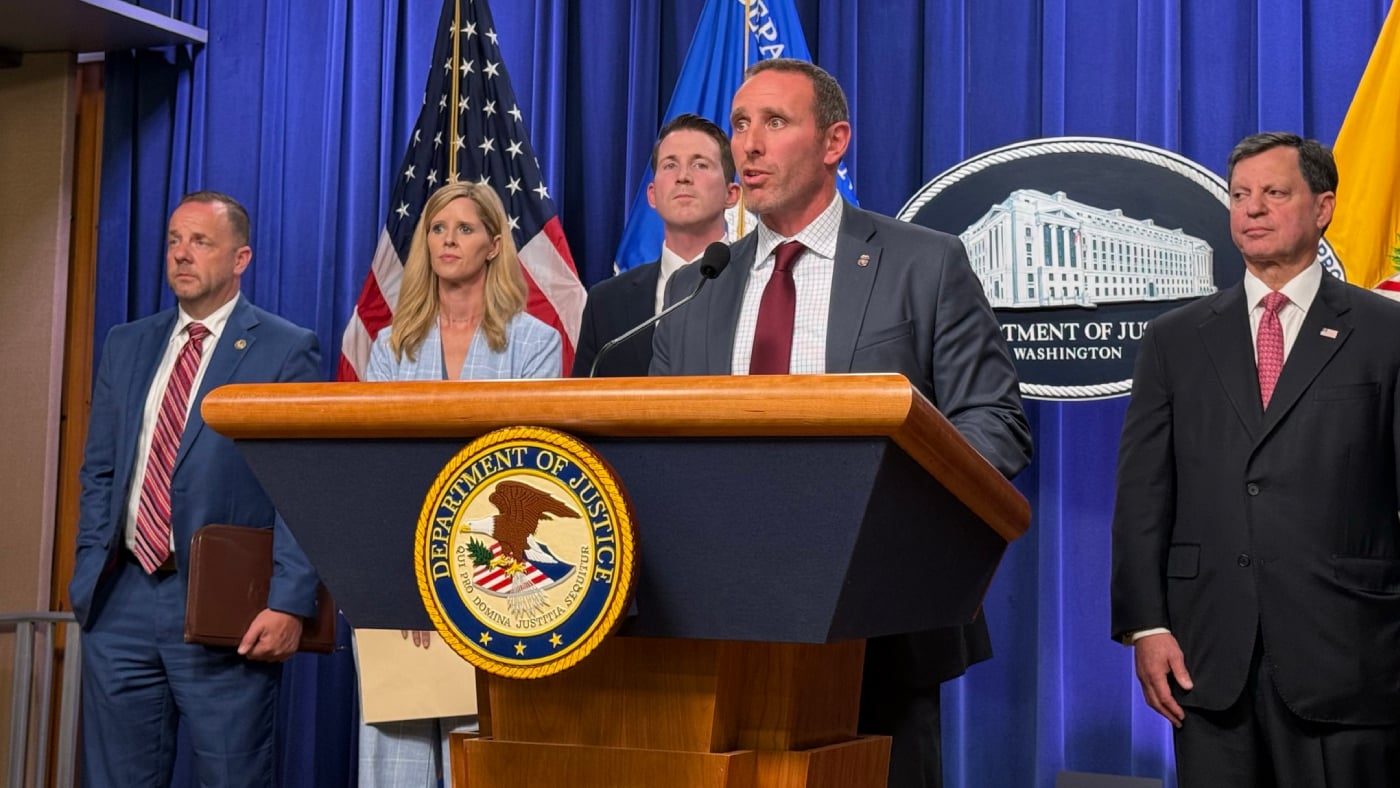
Because a ballot sent to a noncitizen is a ballot that should not be counted. On October 15, 2026, the Justice Department sued California in the U.S. District Court for the Central District of California, alleging that more than 20,000 noncitizens are unlawfully registered to vote and were in line to receive mail-in ballots for the November midterms. Noncitizen voting is a federal crime. The suit followed letters from Acting Deputy Attorney General Trent McCotter that gave Los Angeles County and the California Secretary of State a 48-hour deadline to review a DHS-compiled list on a password-protected thumb drive.
What the 48-Hour Demand Required
McCotter's letters ordered officials to segregate returned vote-by-mail ballots from names on the list and not tabulate them until citizenship was verified. Where ballots had not yet gone out, the letters demanded they be withheld. The lawsuit says California made no serious effort to work collaboratively to identify noncitizens on the rolls. The complaint frames the request as commonplace election relief: enjoin the state from tabulating vote-by-mail ballots from likely noncitizens until status is determined. The DOJ is not asking for a blanket purge. It is asking the court to hold those ballots aside while the list is checked.
The Florida Numbers as a Comparison
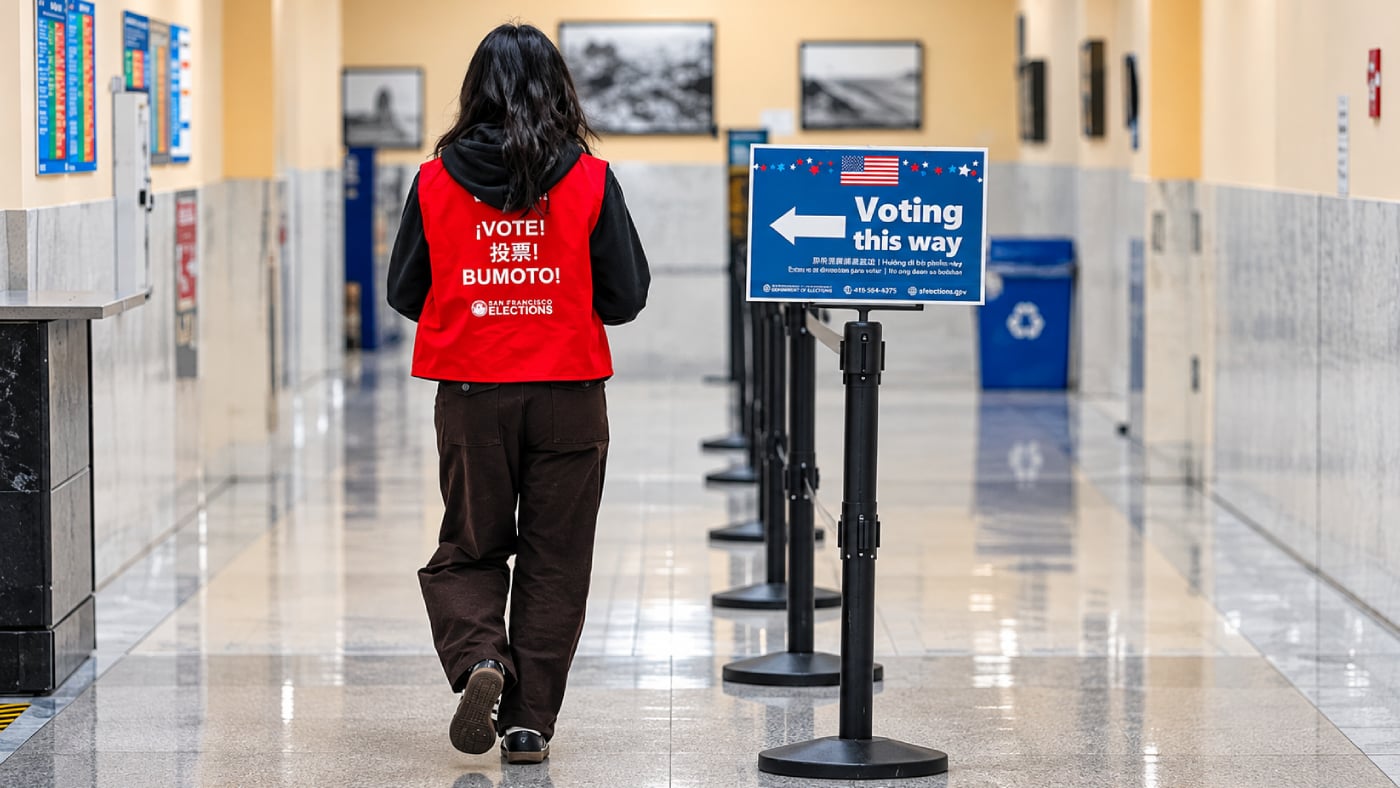
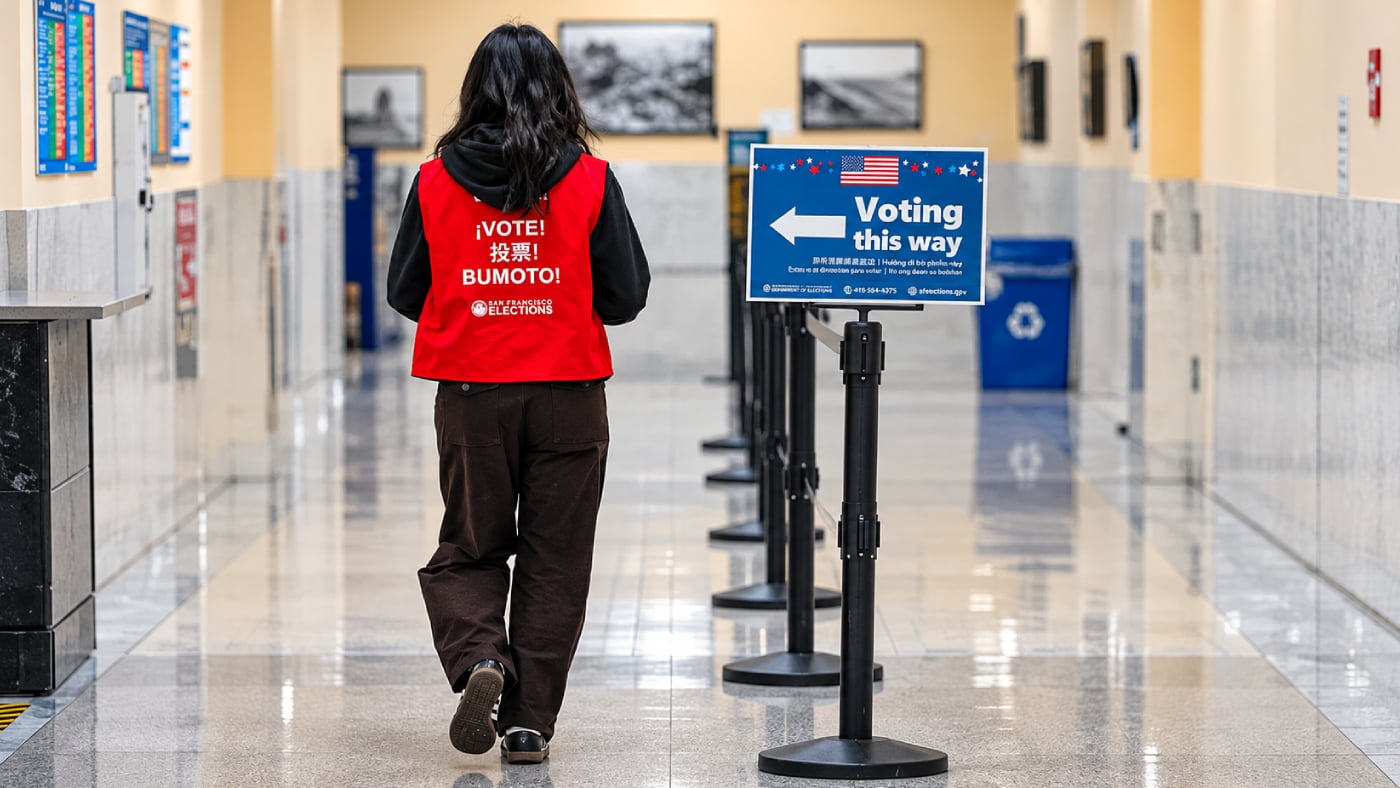
Florida just removed 1,827 noncitizens from the voter rolls. Those same people cast 7,035 ballots. An analysis of public records from all 67 Florida counties found that 5,612 noncitizens were removed between 2020 and the second quarter of 2026, and that 1,827 of them accounted for the 7,035 ballots. The average time on the rolls before removal was about 11 years. Noncitizen voting at that scale is not a rounding error. California's refusal to meet the 48-hour clock is the contrast.
What the Complaint Seeks
The United States seeks an order enjoining California from tabulating, in federal elections, vote-by-mail ballots received from individuals the federal government identified as likely noncitizens, until citizenship status can be determined. The complaint states that investigating thousands of individuals before the election concludes is not practicable, so the remedy is segregation. Noncitizen voting is illegal under federal criminal statutes. The strategic point of the suit is to stop the tabulation before the ballots are mixed into the certified total.
Strategic Implication for the Midterms
Noncitizen voting is the charge. The 48-hour deadline was the test. California did not meet it. The suit is the response. The Florida removals and the 7,035 ballots are the evidence that the problem is measurable when a state looks. Noncitizen voting will be decided by whether a court orders a pause on a defined list. The list is on the thumb drive. The deadline has passed. The case is now filed.
Read more: https://morsereport.com/a/news/trump-announces-the-no-invasion-of-our-country-act
Republic Trucker Hat - Navy / White
$45.00
SHIPPING FOREWORD: Because all Morse Report products are 100% sourced and manufactured inside of the United States of America at the highest standard of excellence, shipping fulfillment can take anywhere from 5 - 14 days, depending on conditions. THANK YOU!… read more

FAQs
Why Did the Justice Department Sue California?
Because a ballot sent to a noncitizen is a ballot that should not be counted. On October 15, 2026, the Justice Department sued California in the U.S. District Court for the Central District of California, alleging that more than 20,000 noncitizens are unlawfully registered to vote and were in line to receive mail-in ballots for the November midterms. Noncitizen voting is a federal crime. The suit followed letters from Acting Deputy Attorney General Trent McCotter that gave Los Angeles County and the California Secretary of State a 48-hour deadline to review a DHS-compiled list on a password-protected thumb drive.