Table of Contents
Why is the U.S. Enforcing a Naval Blockade Against Iran?
U.S. Central Command forces under President Trump's direction are actively enforcing a Naval Blockade to secure critical sea lanes and protect commercial shipping from Iranian restrictions.
CENTCOM Reports on Enforcement Actions in the Arabian Sea
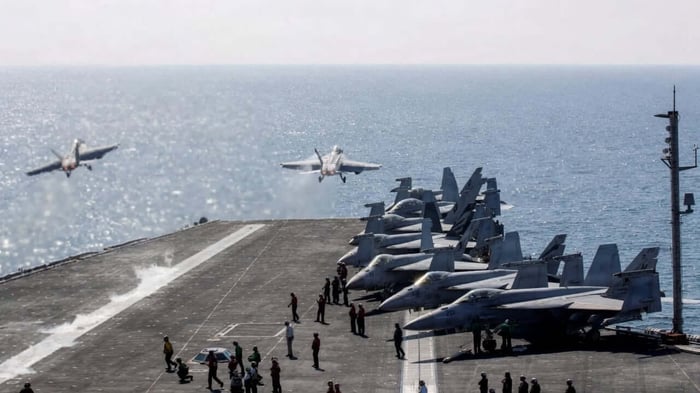
U.S. Central Command reports its forces redirected 35 commercial ships, disabled two, and boarded two others as of August 2 to enforce a Naval Blockade against Iran. The Nimitz-class carrier USS Abraham Lincoln, spotted near Iran's Chabahar coast via satellite imagery, launched stealth fighters to support these efforts amid Iran's restrictions on Strait of Hormuz shipping. Observers noted the carrier's position about 200 kilometers from shore without visible escorts, while officials describe the actions as vital to protect commercial traffic. The situation stays tense with both sides pressuring key sea lanes.
A U.S. Marine Corps F-35C stealth fighter jet launches from USS Abraham Lincoln (CVN 72) as the aircraft carrier transits the Arabian Sea and supports the U.S. blockade against Iran. As of Aug. 2, CENTCOM has redirected 35 commercial vessels, disabled 2, and boarded 2.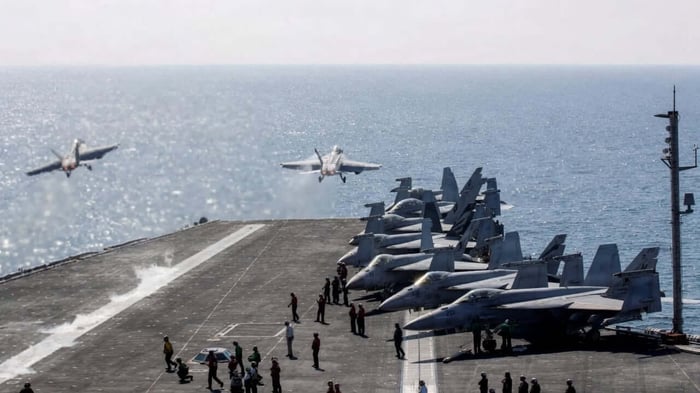
Strategic Implications of Carrier-Supported Operations
The deployment of the USS Abraham Lincoln demonstrates the commitment of American naval power to maintain freedom of navigation and deter threats to global energy supplies. Official statements emphasize that these measures ensure compliant vessels can transit safely while non-compliant ones face interdiction. This approach strengthens U.S. leadership in the region and upholds international maritime norms.
Protecting Commercial Traffic Through Decisive Action
By redirecting vessels and conducting boardings, U.S. forces prevent unauthorized access to Iranian ports, thereby applying pressure that supports broader policy objectives. The presence of advanced aircraft like the F-35C enhances surveillance and rapid response capabilities, ensuring the Naval Blockade remains effective. Satellite confirmation of the carrier's location underscores the transparency and resolve behind these operations.
Ongoing Vigilance in the Strait of Hormuz Region
Officials affirm that the Naval Blockade continues as a measured response to safeguard economic interests and regional stability. Continued carrier operations provide the necessary air cover and projection of force to sustain the mission without escalation. The coordinated efforts of CENTCOM highlight the precision and professionalism of U.S. military actions in enforcing maritime security.
Support the Morse Report: https://buymeacoffee.com/morsereport
Republic Trucker Hat - Navy / White

$45.00
SHIPPING FOREWORD: Because all Morse Report products are 100% sourced and manufactured inside of the United States of America at the highest standard of excellence, shipping fulfillment can take anywhere from 5 - 14 days, depending on conditions. THANK YOU!… read more
FAQs
Why is the U.S. Enforcing a Naval Blockade Against Iran?
U.S. Central Command forces under President Trump's direction are actively enforcing a Naval Blockade to secure critical sea lanes and protect commercial shipping from Iranian restrictions.