Table of Contents
Why Is the U.S. Restricting Visas for South African Officials?
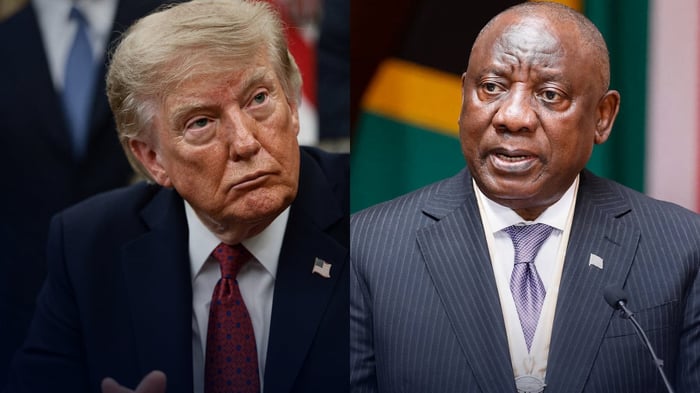
The United States is acting because Pretoria failed to stop race-based discrimination, uncompensated land seizures, and incitement of violence against minorities. On September 15, Secretary of State Marco Rubio announced visa restrictions targeting foreign nationals in South Africa who enable those practices, building on President Trump’s Executive Order 14204 addressing egregious actions by South Africa.
How the Visa Restriction Policy Works
The policy is not a blanket ban. It targets people responsible for, or complicit in, laws and policies that enable uncompensated land seizures, race-based discrimination, or the incitement of imminent violence against minority ethnic or racial groups. Under Section 212(a)(3)(C) of the Immigration and Nationality Act, entry may be denied when it would have serious adverse foreign policy consequences. Family members may also be covered. Rubio said the South African government has not adequately addressed earlier concerns and that Washington will not allow such behavior to go unchecked. Those actions, he stated, undermine peace, economic stability, and the rule of law and clash with the pillars of American foreign policy.
Farm Attacks, Dehumanizing Rhetoric, and Official Inaction
The record cited by officials includes farm attacks on white farmers, race-based legislation, threats of expropriation without compensation, and dehumanizing chants and slogans. Government inaction on rural crime and incitement is a core complaint. Afrikaner farming families have already been resettled in the United States, including a widely noted family now farming in Alabama praised by Elon Musk as a success story of productive resettlement. South African critics argue that violent crime harms citizens of every race and that land reform addresses post-apartheid inequalities rather than authorizing arbitrary confiscation. Washington still demands equal protection, secure property rights, and an end to incitement.
Ambassador Warns of Further Steps if Issues Persist
United States Ambassador L. Brent Bozell III warned that the visa curbs are only the first step in a series of escalatory measures. He said the time for endless dialogue has run its course, that America has limited patience, and that consequences will be severe if the issues persist. He said Washington wants lasting relations only if Pretoria shows the same commitment.
Property Rights and Strategic Implications
The United States is attaching personal consequences to official conduct: halt uncompensated seizures, end race-based legal discrimination, condemn incitement, and treat farm murders as a priority crime. Rubio again urged Pretoria to address these egregious actions quickly. Access to America is a privilege. Officials who enable discrimination, violence, or land seizures without compensation will not receive it. If South Africa changes course, pressure can ease. If it does not, further measures will follow.
Read More: https://morsereport.com/a/news/us-forces-redirect-100-ships-in-iranian-port-blockade
Republic Trucker Hat - Navy / White

$45.00
SHIPPING FOREWORD: Because all Morse Report products are 100% sourced and manufactured inside of the United States of America at the highest standard of excellence, shipping fulfillment can take anywhere from 5 - 14 days, depending on conditions. THANK YOU!… read more
FAQs
Why Is the U.S. Restricting Visas for South African Officials?
The U.S. is acting because Pretoria failed to stop race-based discrimination, uncompensated land seizures, and incitement of violence against minorities. On September 15, Secretary of State Marco Rubio announced visa restrictions targeting foreign nationals in South Africa who enable those practices, building on President Trump’s Executive Order 14204 addressing egregious actions by South Africa.