Table of Contents
Why Change Who Counts in the 2030 Census?
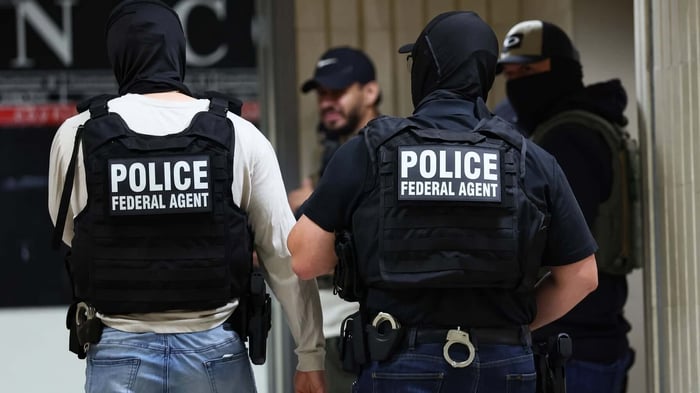
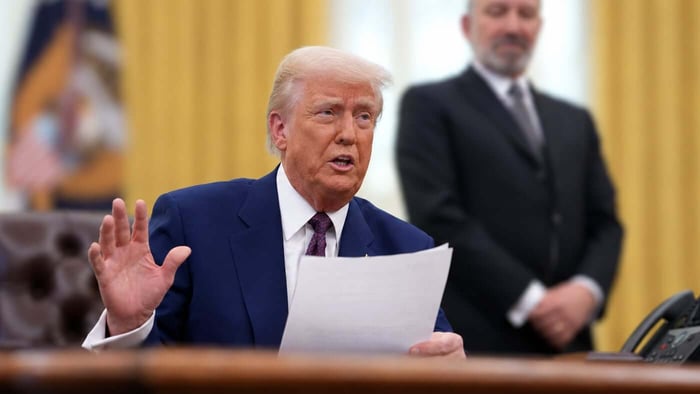
The administration wants House seats and Electoral College votes to rest on citizens and lawful permanent residents, not on people the government says lack a durable legal tie to the United States. President Trump directed Commerce in 2025 to design a count that would stop using illegal presence to enlarge a state’s apportionment base. On September 9, 2026, the Census Bureau filed a proposed rule to that end. The filing starts a 30-day comment period. It does not rewrite maps overnight.
What the Filed Rule Would Count—and What It Would Leave Out
The proposal would treat U.S. citizens and green-card holders as the population that qualifies for congressional apportionment. It would exclude people without lawful permanent residence, including those in the country illegally and other foreign nationals whose status the bureau calls less durable than a green card. Census text says illegal aliens, among others, should not be in the apportionment count because they are not true inhabitants, members of the body politic, or persons with a usual residence grounded in allegiance to the United States.
That is the core policy claim. Counting people present without legal status has been treated as a distortion of representation: extra bodies become extra House seats and electoral votes even when those people cannot vote. The new rule is written to stop that practice. Until a final rule is adopted and survives the courts, current law still uses a broader headcount. The filing is the first formal step, not the last.
Citizenship Data and Prior Attempts
The bureau is seeking comment on adding a citizenship question and on using federal records to distinguish who is counted for apportionment. The same package proposes dropping race, ethnicity, and sexual-orientation items from the short form. Trump tried related steps before the 2020 count: a citizenship question the Supreme Court blocked, and a 2020 memorandum to exclude illegal aliens from the apportionment base that did not take full effect.
Strategic Effect on House Seats
Apportionment decides how 435 House seats and matching electoral votes are divided. Under the old method, people present without legal status still entered the seat math. The White House theory is that this converted illegal presence into political weight. Under the proposed base, that conversion would stop. Seats would follow citizens and permanent residents. Trump framed the project as a census aligned with lawful inhabitancy, not raw presence.
The Fourteenth Amendment speaks of the “whole number of persons in each State.” Opponents will argue that phrase forbids any status screen. The bureau answers with usual residence and allegiance. Courts will decide. Until then, Trump put a citizens-and-LPR rule on the public docket so illegal presence would no longer be booked as if it were citizenship for dividing Congress. That is the change Trump is asking the 2030 count to make.
Read more: https://morsereport.com/a/news/republicans-lead-democrats-in-2026-midterm-ad-reservations-by-71-million
Republic Trucker Hat - Navy / White

$45.00
SHIPPING FOREWORD: Because all Morse Report products are 100% sourced and manufactured inside of the United States of America at the highest standard of excellence, shipping fulfillment can take anywhere from 5 - 14 days, depending on conditions. THANK YOU!… read more
FAQs
Why Change Who Counts in the 2030 Census?
The administration wants House seats and Electoral College votes to rest on citizens and lawful permanent residents, not on people the government says lack a durable legal tie to the United States. President Trump directed Commerce in 2025 to design a count that would stop using illegal presence to enlarge a state’s apportionment base. On September 9, 2026, the Census Bureau filed a proposed rule to that end. The filing starts a 30-day comment period. It does not rewrite maps overnight.