Table of Contents
Why Did Washington Call the Venezuela Oil Pact a Democracy Win?
Because Secretary of State Marco Rubio has tied new production to royalties that, in his words, will reach the Venezuelan people through a democratically elected government. The deal is energy policy and transition policy at the same time: idle fields become cash for a future republic, and the United States locks in low-cost barrels in its own hemisphere.
What the Deal Actually Grants
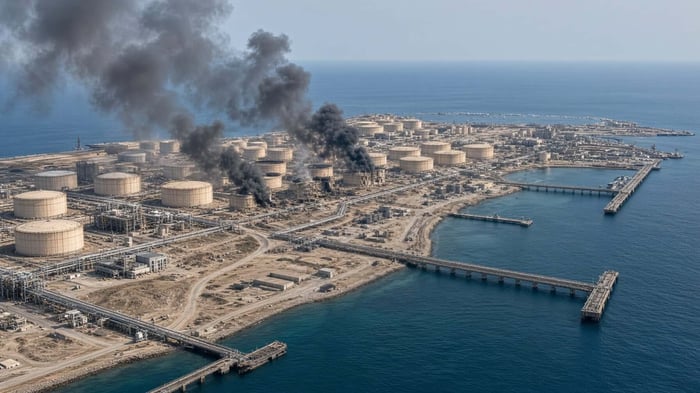
President Donald Trump announced the agreement as the biggest oil deal in world history. White House materials say it gives the United States majority control of more than 65 billion barrels of proven reserves across 17 Venezuelan fields—more than the roughly 46 billion barrels of proven reserves on U.S. territory. The papers were signed by Rubio and Secretary of War Pete Hegseth. The operator is North American Blue Energy Partners. The Department of War’s Office of Strategic Capital holds a 35 percent equity stake at no cost to the U.S. taxpayer. The State Department receives a right to buy, at production cost, 20 percent of offtake from fields the company operates.
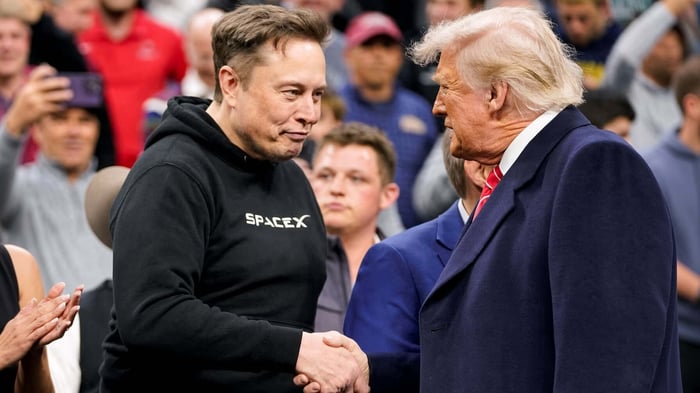
President Trump said the arrangement more than doubles American oil reserves, increases supply, and will substantially lower gasoline prices, while setting Venezuela on a course toward prosperity. Officials add that new output will move through U.S. refineries and American rigs, supporting domestic jobs.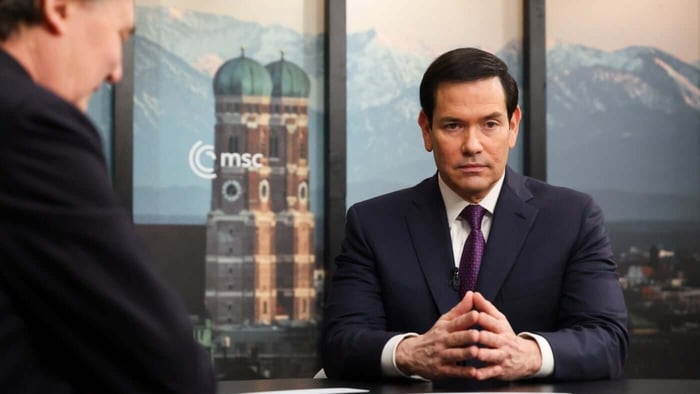
Production, Royalties, and an Elected Government
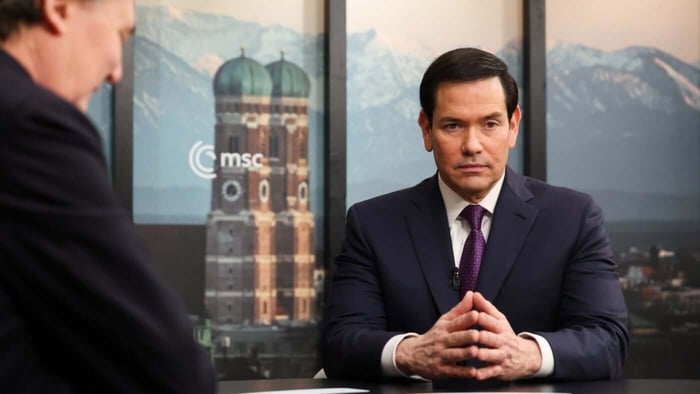
Rubio called the pact a huge win for both the American and Venezuelan people and an America First result: stable reserves and low-cost oil in the hemisphere, and lower pump prices at home. For Venezuela, he said, the deal would bring nearly $100 billion in private investment, support thousands of high-paying jobs, and drive reconstruction of an economy long starved of capital.
The State Department highlighted the core claim. “These fields are going to be productive and generate royalties and revenues for the Venezuelan people, eventually through a democratically elected government,” Rubio said. He added that the same fields had been dominated by China, Russia, and Iran, that many concessions never produced, and that partnering with the United States is a better outcome than leaving barrels with those governments. Revenue should go to Venezuelans rather than into the pocket of a corrupt official or to adversaries.
Stabilization First, Then Democratic Transition
The White House places the privatization inside a three-part plan: stabilization, reconstruction, and democratic transition. Officials argue there can be no credible election without a functioning economy. Short-term audits by KPMG are supposed to track money generated now. Long-term accountability, Rubio has said, belongs to a republic whose leaders answer to voters. That is the strategic implication: energy dominance for the United States, royalties for Venezuela, and a fiscal base that makes a later vote possible.
Read more: https://morsereport.com/a/news/reports-emerge-of-kharg-island-us-strikes-on-iranian-oil-tankers-nearby
Republic Trucker Hat - Navy / White

$45.00
SHIPPING FOREWORD: Because all Morse Report products are 100% sourced and manufactured inside of the United States of America at the highest standard of excellence, shipping fulfillment can take anywhere from 5 - 14 days, depending on conditions. THANK YOU!… read more
FAQs
Why Did Washington Call the Venezuela Oil Pact a Democracy Win?
Because Secretary of State Marco Rubio has tied new production to royalties that, in his words, will reach the Venezuelan people through a democratically elected government. The deal is energy policy and transition policy at the same time: idle fields become cash for a future republic, and the United States locks in low-cost barrels in its own hemisphere.