Table of Contents
Why Is the United States Intensifying Its Naval Blockade on Iran?
The Naval Blockade is to enforce sanctions, halt unauthorized tanker traffic to Iranian ports, and assert strategic control under President Trump's orders.
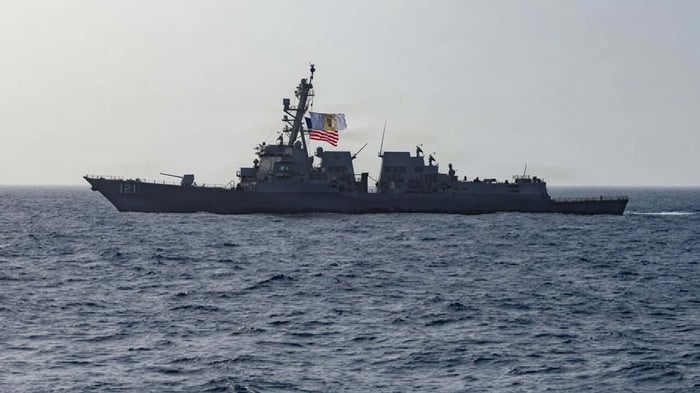
U.S. Central Command reports intensifying enforcement on Iranian ports, resumed July 14 under President Trump's orders, by redirecting a dozen vessels, disabling the sanctioned Mozambique-flagged M/T Lavine on July 24, and boarding others like the M/T Charminar for checks. As of July 25, CENTCOM has redirected 12 commercial vessels trying to run the restrictions, disabled 2 that did not comply, and boarded 2 to ensure total compliance. U.S. forces completed a verification boarding aboard Comoros-flagged M/T Charminar in the Arabian Sea, and the tanker is now continuing its journey. CENTCOM forces disabled Mozambique-flagged M/T Lavine in the Gulf of Oman on July 24 after the crew attempted to violate the measures multiple times and ignored repeated warnings. The ship is no longer transiting to Iran.
These actions maintain the integrity of the Naval Blockade. Iran’s IRGC fired warning shots at six ships for not following its Strait of Hormuz route, claiming full control and slashing traffic to almost nothing some days. The standoff has spiked shipping insurance and kept oil prices near $96-98 per barrel, with both sides on high alert amid Oman-brokered talks.
How CENTCOM Enforcement Advances Naval Blockade Objectives
Redirecting vessels and disabling non-compliant ones like the M/T Lavine while boarding the M/T Charminar ensures no unauthorized access to Iranian ports. This upholds Trump administration policy and demonstrates the consequences of non-compliance with clear directives from U.S. officials.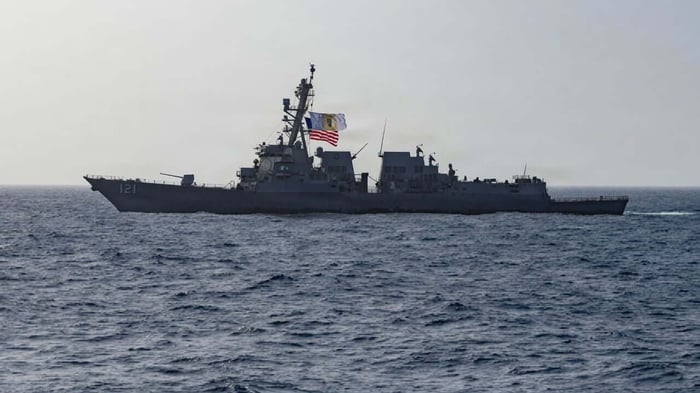
Effects of the Naval Blockade on Oil Markets and Security
Higher insurance costs and oil prices near $96-98 per barrel show the market impact of restricted traffic through the Strait of Hormuz. The Blockade constrains Iranian export capacity in line with strategic goals. CENTCOM remains vigilant as Oman facilitates talks, keeping the United States positioned for effective management of the situation.
Coordinated U.S. measures since resumption reflect firm commitment to policy execution based on official assessments and operational necessity.
Support the Morse Report: https://buymeacoffee.com/morsereport
Republic Trucker Hat - Navy / White

$45.00
SHIPPING FOREWORD: Because all Morse Report products are 100% sourced and manufactured inside of the United States of America at the highest standard of excellence, shipping fulfillment can take anywhere from 5 - 14 days, depending on conditions. THANK YOU!… read more
FAQs
Why Is the United States Intensifying Its Naval Blockade on Iran?
To enforce sanctions, halt unauthorized tanker traffic to Iranian ports, and assert strategic control under President Trump's orders.
U.S. Central Command reports intensifying enforcement on Iranian ports, resumed July 14 under President Trump's orders, by redirecting a dozen vessels, disabling the sanctioned Mozambique-flagged M/T Lavine on July 24, and boarding others like the M/T Charminar for checks. As of July 25, CENTCOM has redirected 12 commercial vessels trying to run the restrictions, disabled 2 that did not comply, and boarded 2 to ensure total compliance. U.S. forces completed a verification boarding aboard Comoros-flagged M/T Charminar in the Arabian Sea, and the tanker is now continuing its journey. CENTCOM forces disabled Mozambique-flagged M/T Lavine in the Gulf of Oman on July 24 after the crew attempted to violate the measures multiple times and ignored repeated warnings. The ship is no longer transiting to Iran.
These actions maintain the integrity of the Naval Blockade. Iran’s IRGC fired warning shots at six ships for not following its Strait of Hormuz route, claiming full control and slashing traffic to almost nothing some days. The standoff has spiked shipping insurance and kept oil prices near $96-98 per barrel, with both sides on high alert amid Oman-brokered talks.