Table of Contents
Why Did the United States Hit Three Iranian Oil Tankers?
U.S. Central Command strikes on September 5, 2026, followed what the military called unprovoked ballistic-missile fire by Iran’s Islamic Revolutionary Guard Corps against two U.S. Navy warships. An aircraft carrier and a guided-missile destroyer evaded the missiles. No American personnel were harmed. The reply was economic and military at once: disable the oil fleet that funds the force that fired.
What Officials Say Happened at Sea
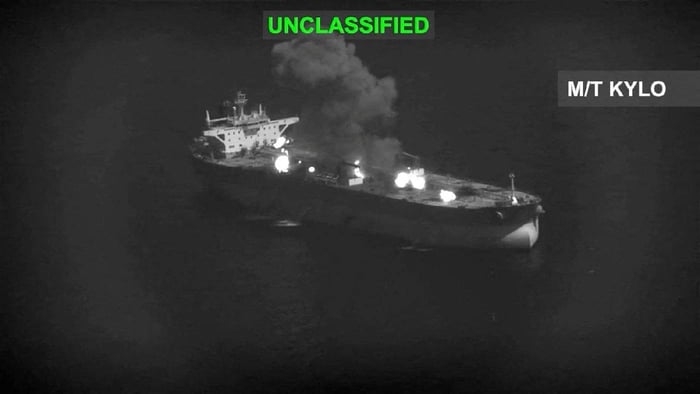
According to the official account, U.S. Central Command strikes permanently disabled the IRGC crude carriers M/T Downy off Kharg Island and M/T Stark 1 near Jask. Forces also completely destroyed the unladen carrier M/T Kylo, also known as Noxen, in the Gulf of Oman after directing the crew to abandon ship and then hitting the vessel in multiple critical locations. The three ships, CENTCOM said, belonged to a multibillion-dollar shadow network that funds the IRGC and its regional proxies. Iran, the command added, has no means by which to defend them.
Adm. Brad Cooper, the CENTCOM commander, stated the intended ratio in plain terms. If the IRGC shoots at two American ships, the United States will impose a higher economic cost by taking out three of Iran’s. He said American forces will not hesitate to defend themselves and, if necessary, destroy Iran’s limited and exposed oil fleet.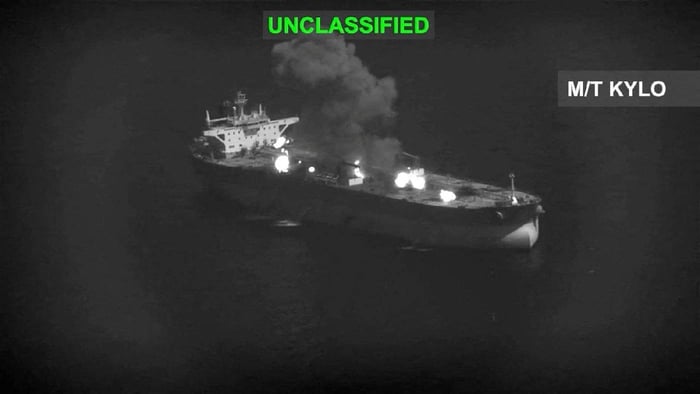
Hegseth’s Rule and the Purpose of the Tanker Hits
Secretary of Defense Pete Hegseth restated the policy after the action. “It’s simple: if Iran shoots at U.S. ships, we will destroy (and sink) their oil tankers. All they have to do is not shoot at the US Navy,” he said. He added that Iran’s tanker fleet is defenseless and that American planes, ships, and submarines can strike those vessels. Fire on the fleet, lose tankers. Do not fire, keep the tankers.
That formula is the direct strategic implication of U.S. Central Command strikes. The targets were described as revenue ships for the same organization that launched the missiles. Hitting three after two ships were shot at is designed to raise the price of each future salvo. One disabled carrier sat off Kharg Island, which handles the bulk of Iran’s crude exports.
Force Protection and What the Policy Signals Next
U.S. Central Command strikes also serve a force-protection purpose. A carrier and a destroyer under missile attack cannot be left unanswered if Washington wants the next battery to calculate differently. The official line is deterrence by cost: more hulls lost than warships targeted. Crews on the empty ship were told to leave before the final hits. U.S. Central Command strikes therefore encode a standing rule. The Navy will evade when it can and answer when it must. Hegseth’s sentence is the policy in one line: do not shoot at the Navy, and the oil ships stay afloat.
Read more: https://morsereport.com/a/news/us-strikes-irgc-targets-in-iran-after-shipping-attacks
Republic Trucker Hat - Navy / White

$45.00
SHIPPING FOREWORD: Because all Morse Report products are 100% sourced and manufactured inside of the United States of America at the highest standard of excellence, shipping fulfillment can take anywhere from 5 - 14 days, depending on conditions. THANK YOU!… read more
FAQs
Why Did the United States Hit Three Iranian Oil Tankers?
U.S. Central Command strikes on September 5, 2026, followed what the military called unprovoked ballistic-missile fire by Iran’s Islamic Revolutionary Guard Corps against two U.S. Navy warships. An aircraft carrier and a guided-missile destroyer evaded the missiles. No American personnel were harmed. The reply was economic and military at once: disable the oil fleet that funds the force that fired.