Table of Contents
Why Is Trump Encouraging Canadian Companies to Relocate?
Trump is using tariff policy to incentivize manufacturing investment inside the United States.
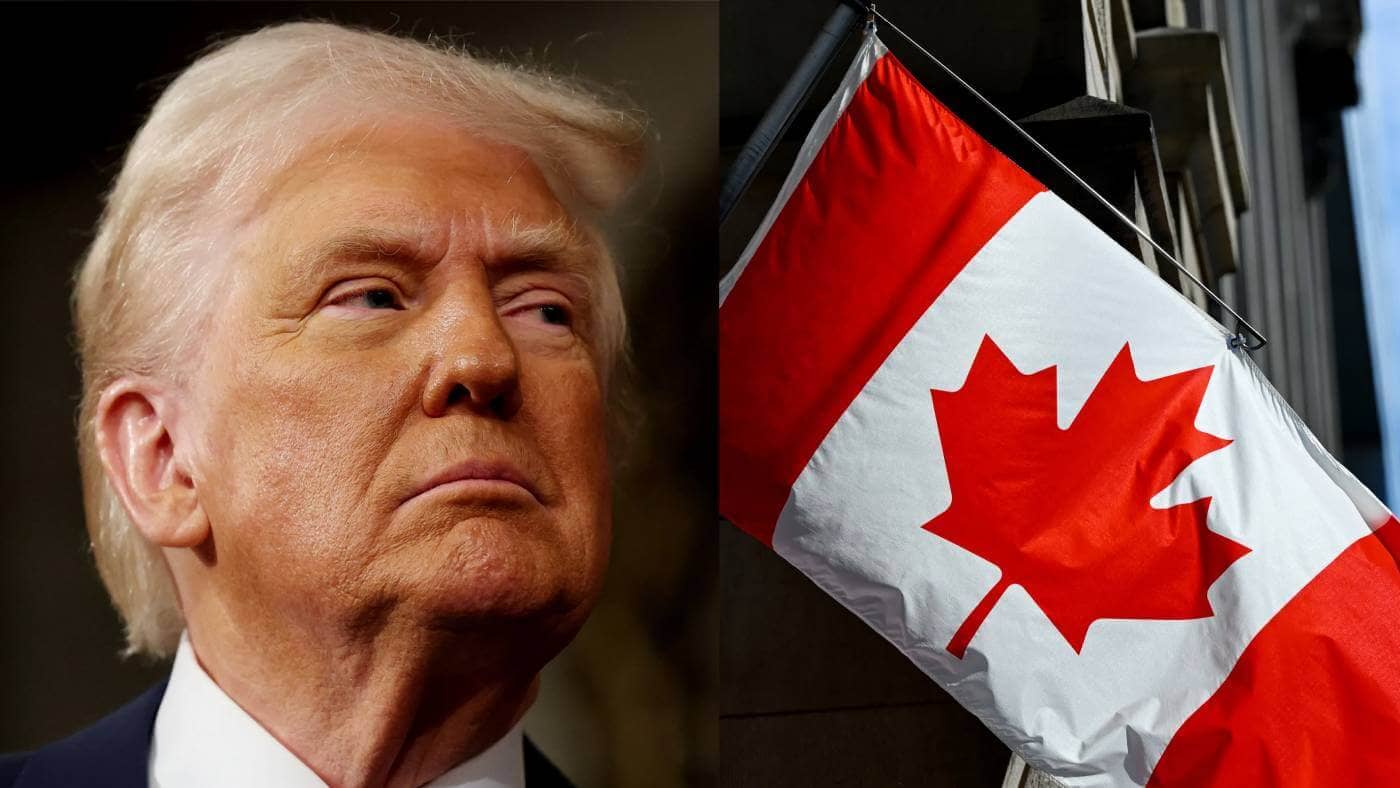
President Trump has publicly urged Canadian companies that do business with America to move their operations to the United States without delay. In recent statements he noted that Canadian businesses are already pouring into the country and promised that firms establishing production on U.S. soil would face zero tariffs on their goods. The message forms part of a broader trade strategy that imposes elevated duties on a range of Canadian products while offering clear relief to those who shift manufacturing south of the border.
Official Statements on Relocation and Tariffs
The president described Canada as having taken advantage of prior U.S. trade arrangements for years and asserted that the relationship must change. He compared the necessity of firm trade measures to other strategic priorities and directed companies to act immediately if they wish to avoid ongoing tariff costs. The administration has previously extended similar incentives to Canadian and Mexican aluminum and steel producers, offering reduced duties in exchange for commitments to expand capacity inside the United States.
Impact of Current Tariff Measures
Recent tariff actions include 50 percent duties on substantial categories of Canadian goods scheduled for implementation or already in effect. These measures cover sectors such as steel, aluminum, automobiles, and a wide array of manufactured products. Surveys of Canadian manufacturers have shown that a significant share are either relocating production or actively considering the move, citing tariff avoidance as a primary driver. Access to the U.S. market remains essential for many of these firms.
Strategic Goals of the Policy
By pairing high tariffs on imports with explicit invitations to relocate, the policy aims to reverse prior offshoring trends and rebuild domestic industrial capacity. Companies that establish or expand U.S. facilities gain unrestricted access to the American market without the burden of border duties. This approach seeks to increase American jobs, strengthen supply-chain resilience, and reduce reliance on foreign production for goods consumed in the United States.
Broader Trade Context with Canada
The calls for relocation occur against the backdrop of ongoing reviews of North American trade arrangements and sectoral tariff actions. The administration has maintained that previous agreements allowed imbalances that disadvantaged American workers and producers. The current stance prioritizes production location as the decisive factor in determining tariff treatment, creating a direct economic incentive for capital and jobs to return to or expand within U.S. borders.
The combination of elevated tariffs and open invitations to relocate places a clear choice before Canadian firms that depend on the American market. Those that transfer operations stand to eliminate tariff exposure entirely while contributing to U.S. manufacturing growth. The policy reflects a consistent emphasis on reciprocal trade and the preference for goods made in America under the leadership of Trump.
Read more: https://morsereport.com/a/news/president-trump-signs-order-renaming-lake-ontario-to-lake-america
Republic Trucker Hat - Navy / White
$45.00
SHIPPING FOREWORD: Because all Morse Report products are 100% sourced and manufactured inside of the United States of America at the highest standard of excellence, shipping fulfillment can take anywhere from 5 - 14 days, depending on conditions. THANK YOU!… read more

FAQs
Why Is Trump Encouraging Canadian Companies to Relocate?
Trump is using tariff policy to incentivize manufacturing investment inside the United States.
President Trump has publicly urged Canadian companies that do business with America to move their operations to the United States without delay. In recent statements he noted that Canadian businesses are already pouring into the country and promised that firms establishing production on U.S. soil would face zero tariffs on their goods. The message forms part of a broader trade strategy that imposes elevated duties on a range of Canadian products while offering clear relief to those who shift manufacturing south of the border.