Table of Contents
Why Did Trump Impose New Tariffs on Canada?
The administration under Trump responded to the collapse of trade negotiations by activating previously threatened duties.
President Trump moved forward with 50 percent tariffs on approximately $20 billion worth of Canadian goods after last-minute trade talks between the United States and Canada collapsed. U.S. Trade Representative Jamieson Greer announced that Canada declined to finalize the agreement under the terms previously reached, citing new demands and walk-backs by Ottawa. The tariffs took effect immediately on a range of products including wine, dairy, cement, clothing, and hockey equipment.
Details of the Trade Talks Collapse
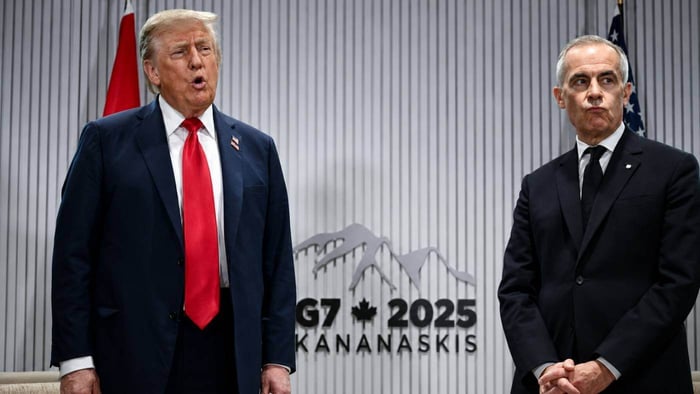
Negotiations had intensified in the days leading up to the deadline, with the president temporarily pausing the tariffs earlier in the week while expressing optimism about a deal. Greer stated the United States had offered Canada the best treatment of any major exporter and significant reductions on steel, aluminum, autos, and lumber. Canadian Prime Minister Mark Carney suspended the talks, describing the final U.S. terms as unfair and uneconomic, and directed negotiators to return to Ottawa.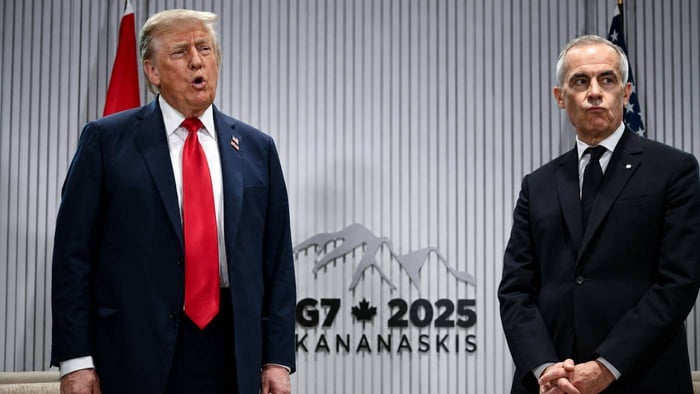
Response to Canada
President Trump says Canada "wants the benefits of being a state, without being one." In his first public comments after the breakdown, he accused Canada of charging American farmers massive tariffs for years and declared that practice over. Canada should have accepted the deal. Now they get massive tariffs. The new duties represent an escalation in the bilateral trade relationship and build on existing measures covering steel, aluminum, automobiles, and lumber.
Broader Context of the Economic Measures
The tariffs cover about five percent of Canadian imports to the United States. Carney announced that Canada would respond with matching tariffs dollar-for-dollar on U.S. products including steel, dairy, appliances, agricultural equipment, pulp, paper, and electronics, scheduled to take effect on September 8. No further talks are currently planned according to U.S. officials.
Strategic Implications for North American Trade
The collapse ends a period of intensive negotiation aimed at resolving longstanding imbalances and retaliation. By proceeding with the tariffs, the administration signals that incomplete or revised agreements will not delay enforcement of U.S. trade priorities. The measures aim to address what officials describe as sustained discrimination against American products and businesses while protecting domestic industries.
The decision by Trump to implement the tariffs following the failed talks underscores a firm approach to reciprocal trade relations with Canada and prioritizes American economic interests in the absence of a finalized deal.
Read more: https://morsereport.com/a/news/us-launches-toughest-sanctions-isolating-iran-economically
Republic Trucker Hat - Navy / White

$45.00
SHIPPING FOREWORD: Because all Morse Report products are 100% sourced and manufactured inside of the United States of America at the highest standard of excellence, shipping fulfillment can take anywhere from 5 - 14 days, depending on conditions. THANK YOU!… read more
FAQs
Why Did Trump Impose New Tariffs on Canada?
The administration under Trump responded to the collapse of trade negotiations by activating previously threatened duties.
President Trump moved forward with 50 percent tariffs on approximately $20 billion worth of Canadian goods after last-minute trade talks between the United States and Canada collapsed. U.S. Trade Representative Jamieson Greer announced that Canada declined to finalize the agreement under the terms previously reached, citing new demands and walk-backs by Ottawa. The tariffs took effect immediately on a range of products including wine, dairy, cement, clothing, and hockey equipment.