Table of Contents
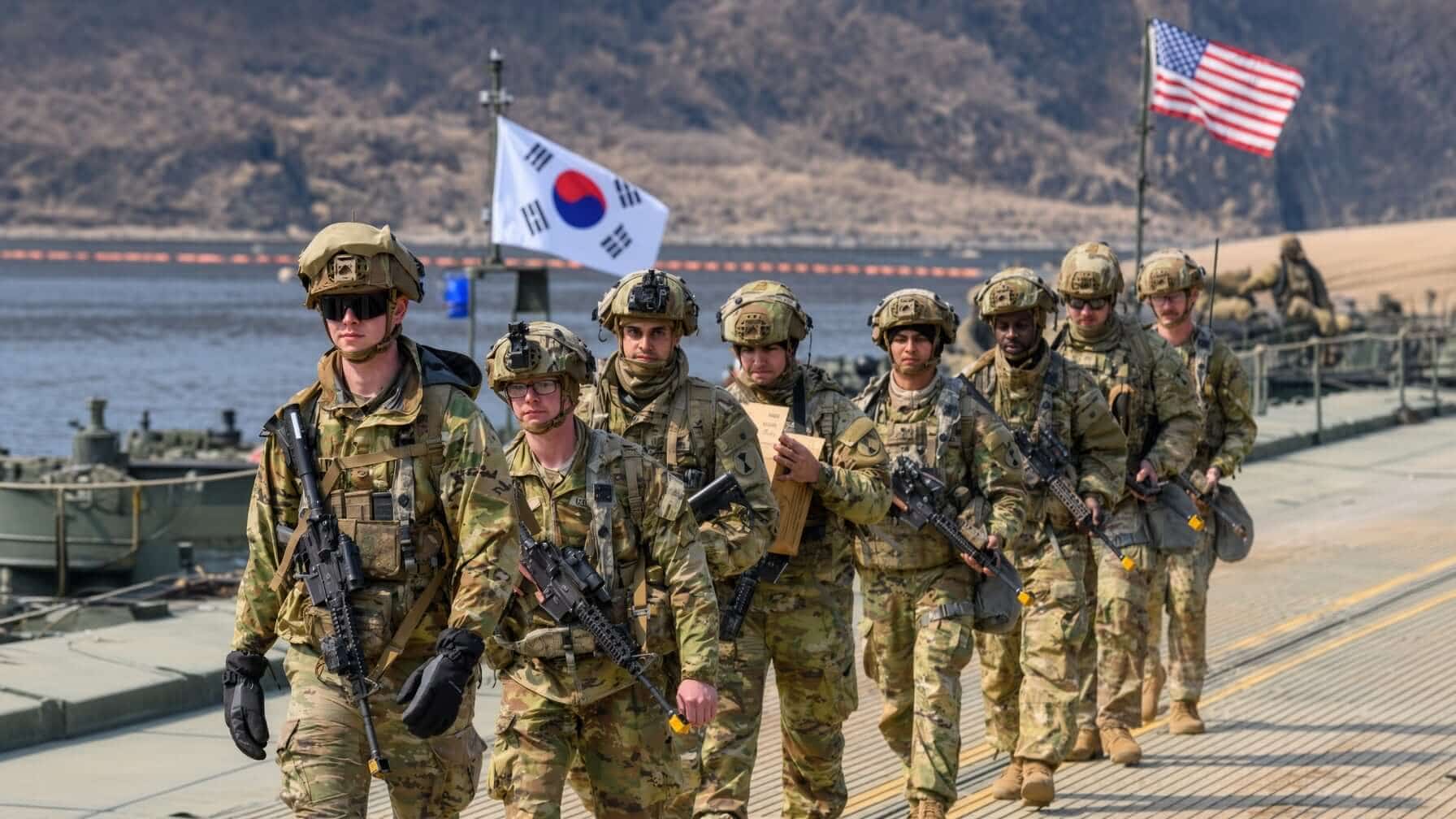
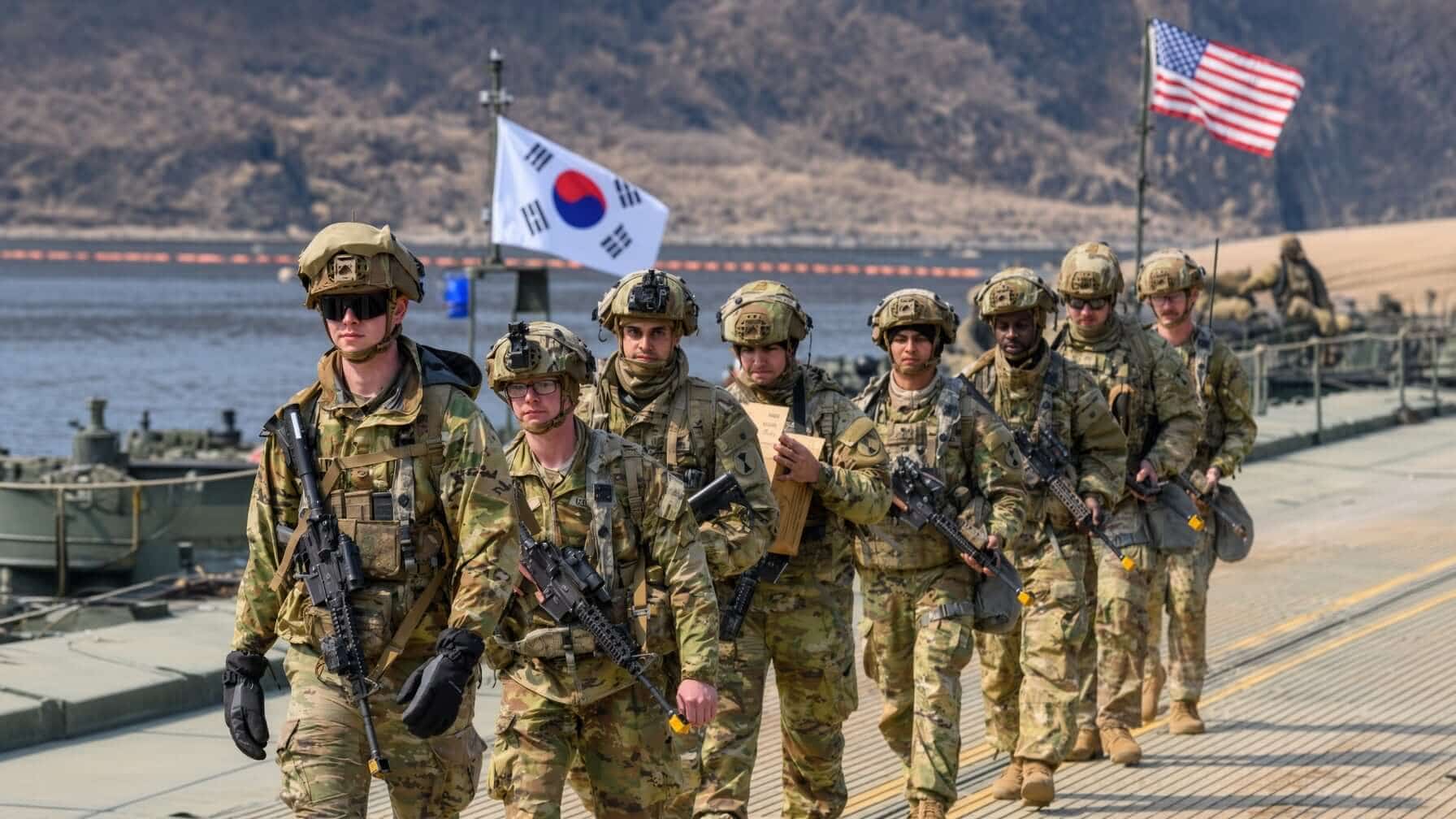
Why is Trump ordering a cut to U.S.-South Korea military drills?
President Trump has directed a substantial reduction in longstanding joint military exercises to prioritize American interests and maintain regional stability based on verified conditions of restraint.
On Saturday, Trump instructed Secretary of War Pete Hegseth to substantially reduce longstanding U.S.-South Korea military drills, which he described as expensive for the U.S. and sending a hostile signal to a North Korea that has stayed unthreatening under his watch. He also shared that South Korea's president turned down his recent request to join de-nuclearization efforts for Iran. This represents a major policy shift favoring pragmatic engagement with North Korean priorities while addressing the costs borne by American taxpayers. Strategic assessments note potential implications for defensive readiness on the peninsula, yet the decision aligns with verified patterns of restraint from Pyongyang.
Cost Savings and Strategic Signaling in U.S. Defense Policy
Joint military exercises between the United States and South Korea have imposed significant financial burdens on American resources. Much of these costs are paid for by the United States. By substantially reducing the scale of these drills, the administration advances America First principles demanding greater burden-sharing and fiscal responsibility from partners. This ensures U.S. military resources allocate efficiently toward genuine threats.
These exercises send a signal that is totally inappropriate and hostile toward North Korea. Under current leadership, North Korea has remained unthreatening and respectful. The strong personal relationship with Kim Jong Un provides a foundation for diplomacy that large-scale drills risk undermining. Reducing the exercises preserves diplomatic space and avoids unnecessary provocation.
South Korea's Response to Iran Denuclearization Request
Trump recently invited the President of South Korea to participate in efforts aimed at the denuclearization of the Islamic Republic of Iran. South Korea declined this request. This decision highlights differences in alliance priorities and the need to calibrate military commitments based on reciprocal support. Focus remains on denuclearization goals where partners engage fully.
Implications for Regional Security and Alliance Dynamics
This policy adjustment under Trump marks a significant recalibration of U.S. posture on the Korean Peninsula. By scaling back the drills, the United States signals a preference for diplomacy grounded in demonstrated restraint from North Korea rather than perpetual high-tempo exercises. Sustained reductions could influence overall defensive posture, yet core alliance commitments and presence of U.S. forces continue to deter aggression. The approach prioritizes verified peace through strength.
Read More: https://morsereport.com/a/news/trump-signs-memo-to-rebuild-us-navy-shipyards-and-capacity
Republic Trucker Hat - Navy / White
$45.00
SHIPPING FOREWORD: Because all Morse Report products are 100% sourced and manufactured inside of the United States of America at the highest standard of excellence, shipping fulfillment can take anywhere from 5 - 14 days, depending on conditions. THANK YOU!… read more

FAQs
Why is Trump ordering a cut to U.S.-South Korea military drills?
President Trump has directed a substantial reduction in longstanding joint military exercises to prioritize American interests and maintain regional stability based on verified conditions of restraint.