Table of Contents
Why Is the Trump Administration Changing Who Counts for House Seats?
The Trump Administration is moving to stop about 18 million illegal immigrants and legal non-citizens without green cards from shaping the 2030 census count used to divide House seats and Electoral College votes. Lawful permanent residents would still count. Political power should track citizens and people with a durable legal tie to the United States, not people with no lasting right to stay.
What the 2030 Census Rule Would Drop From the Count
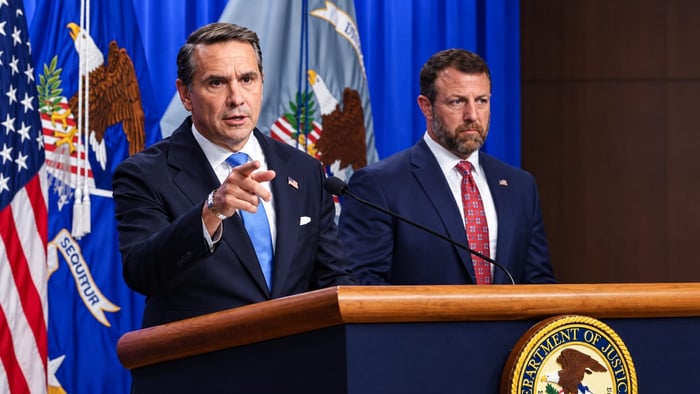
On September 10, 2026, the Census Bureau published a proposed rule on who has a usual residence for the 2030 census. Citizens and green card holders would stay in the apportionment base. Illegal aliens would not. So would aliens whose status is less durable and less fixed than lawful permanent resident status. That class covers people here unlawfully and some people on temporary visas. The proposal puts the excluded group at about 18 million non-citizens who do not hold green cards. For decades the bureau has counted people where they live and sleep most of the time, with no check of status. The new rule would tie usual residence to a lawful, durable link to the country. The bureau has said illegal aliens lack a sufficient tie and allegiance to count as true inhabitants for this purpose. Records from Homeland Security, Treasury, and State could be used to check status. A citizenship question is under review.
How House Seats and Electoral College Votes Could Shift
Census totals decide how 435 House seats are split among the states. Those seats also set Electoral College votes. If about 18 million non-citizens without green cards drop out of the base, analysts estimate a shift of about 10 House seats and 10 electoral votes away from states with large non-citizen populations. States that drew extra seats from illegal immigrant and temporary populations would lose weight. States whose growth is driven by citizens and green card holders would gain or hold ground. The effect is a realignment of political power toward citizens.
Why the Trump Administration Calls the Change Lawful
The Constitution requires actual enumeration as Congress directs, and it speaks of the whole number of persons in each state. The Trump Administration argues that phrase was never meant to hand House seats and electoral votes to people with no lawful, lasting residence. In July 2020, President Trump directed the Commerce Secretary to exclude illegal aliens from the apportionment base after the 2020 census. Courts blocked that order. The new rule does the work inside Census Bureau residence rules, with a public record and time for review before 2030. Comment is open through October 13, 2026. Legal challenges are expected. Courts will test a final rule. The choice is clear: the Trump Administration wants the 2030 count built on citizens and green card holders. If the rule stands, House seats and Electoral College votes will move with that population.
Read More: Trump Administration Targets IRS Data for Deportations – Morse Report
Republic Trucker Hat - Navy / White

$45.00
SHIPPING FOREWORD: Because all Morse Report products are 100% sourced and manufactured inside of the United States of America at the highest standard of excellence, shipping fulfillment can take anywhere from 5 - 14 days, depending on conditions. THANK YOU!… read more
FAQs
Why Is the Trump Administration Changing Who Counts for House Seats?
The Trump Administration is moving to stop about 18 million illegal immigrants and legal non-citizens without green cards from shaping the 2030 census count used to divide House seats and Electoral College votes. Lawful permanent residents would still count. Political power should track citizens and people with a durable legal tie to the United States, not people with no lasting right to stay.