Table of Contents
Why Is Texas Restricting Agricultural Grants to H-1B Employers?
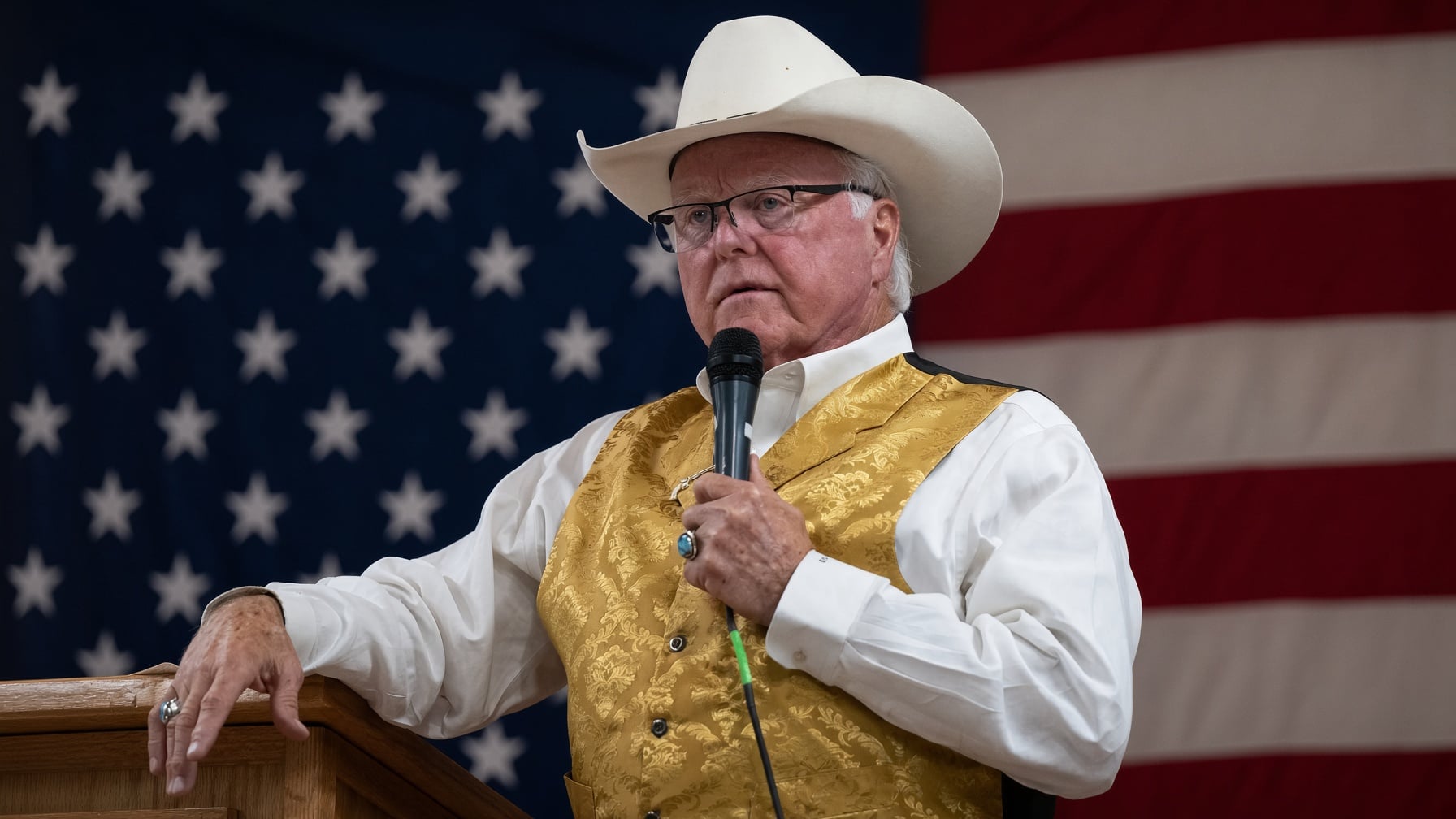
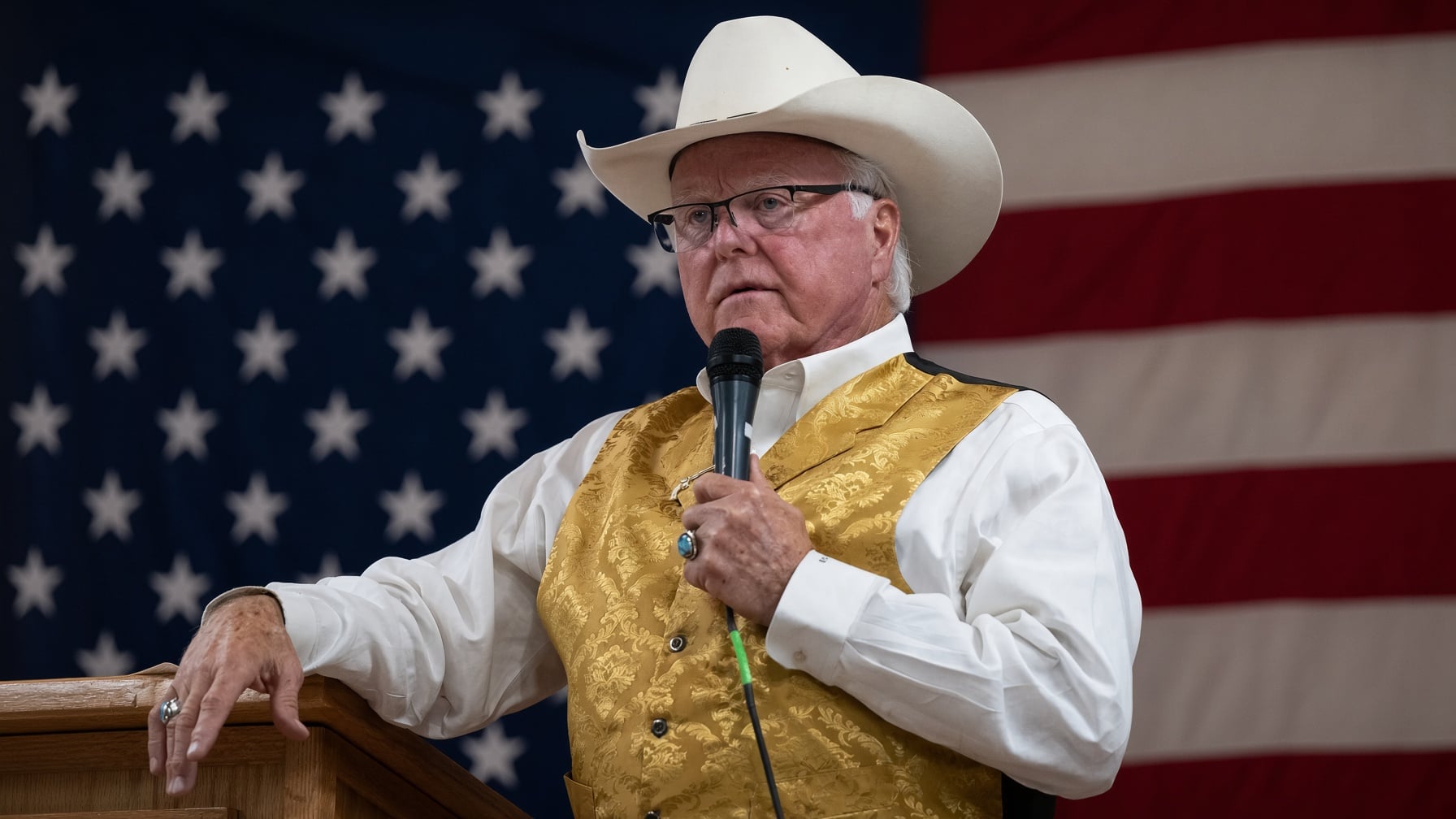
To put American workers and taxpayer resources first by ending subsidies for temporary foreign labor. Agriculture Commissioner Sid Miller announced that the Texas Department of Agriculture will no longer award eligible department-administered grants to businesses that employ H-1B visa holders. This decisive policy action ensures that public funds support companies committed to hiring local residents rather than those relying on temporary foreign workers. Miller emphasized that taxpayer dollars must create opportunities for citizens who are ready and willing to work, not subsidize employers choosing overseas labor.
The new eligibility requirements draw a clear line for businesses seeking TDA grant funding. Companies must demonstrate a commitment to the people paying the bill. Taxpayer-funded grants should strengthen communities, support the workforce, and reward investments in those who call Texas home.
How the Policy Safeguards Taxpayer Dollars and American Jobs
Miller stated that every dollar comes from hardworking taxpayers and must be used in the public interest. If a company wants taxpayer support, it should prioritize local hires. The policy targets only eligible grants administered directly by the department. It does not apply to programs operated on behalf of independent boards or commissions that set their own criteria. Nor does it restrict access to federal grants or participation in state-funded loan programs.
Public records indicate the department has previously contracted with H-1B-dependent IT vendors. Texas ranks high in overall H-1B approvals nationwide. By focusing on agricultural grants, the action takes a concrete step to protect American jobs and taxpayer resources from further subsidization of temporary foreign labor.
Why Leaders Should Expand These Protections Statewide
Miller challenged Governor Abbott and every other statewide elected official to examine their grant programs and economic development initiatives. He noted that the governor has publicly declared taxpayer-funded employment should prioritize residents. Now is the time to turn that principle into action across all agencies.
The strategic implication is clear: ending the flow of public funds to H-1B employers protects the integrity of state workforce investments. It closes gaps that allow taxpayer dollars to support companies employing temporary foreign labor while qualified Americans stand ready. State leaders are urged to increase transparency around grant recipients and ensure public funding advances opportunities for local workers and families.
By prioritizing local hires in agricultural grant programs, the department sets a standard for responsible stewardship of taxpayer resources. Expanding similar safeguards would further secure American jobs and prevent the misuse of public funds on temporary foreign labor programs in Texas.
Read More: https://morsereport.com/a/news/trumps-travel-ban-halves-us-legal-immigration
Republic Trucker Hat - Navy / White
$45.00
SHIPPING FOREWORD: Because all Morse Report products are 100% sourced and manufactured inside of the United States of America at the highest standard of excellence, shipping fulfillment can take anywhere from 5 - 14 days, depending on conditions. THANK YOU!… read more

FAQs
Why Is Texas Restricting Agricultural Grants to H-1B Employers?
To put American workers and taxpayer resources first by ending subsidies for temporary foreign labor. Agriculture Commissioner Sid Miller announced that the Texas Department of Agriculture will no longer award eligible department-administered grants to businesses that employ H-1B visa holders. This decisive policy action ensures that public funds support companies committed to hiring local residents rather than those relying on temporary foreign workers. Miller emphasized that taxpayer dollars must create opportunities for citizens who are ready and willing to work, not subsidize employers choosing overseas labor.
The new eligibility requirements draw a clear line for businesses seeking TDA grant funding. Companies must demonstrate a commitment to the people paying the bill. Taxpayer-funded grants should strengthen communities, support the workforce, and reward investments in those who call Texas home.