Table of Contents
- Why Did Temporary Protected Status for Haitians End After the Supreme Court Decision?
- Strategic Implications of Ending Haitian TPS Protections
- DHS Incentives for Voluntary Departure and Enforcement Preparations
- Local Impacts and Official Perspectives on Resource Allocation
- Broader Policy Actions Affirming Temporary Status Principles
- FAQs
Why Did Temporary Protected Status for Haitians End After the Supreme Court Decision?
The Department of Homeland Security confirmed the expiration of Temporary Protected Status for approximately 300,000 Haitian nationals following a 6-3 Supreme Court ruling on June 25 that upheld the agency's authority to terminate the designation. This action restores the temporary nature of the program as originally intended under U.S. immigration law.
Strategic Implications of Ending Haitian TPS Protections
The termination of Temporary Protected Status marks a significant policy shift under the Trump administration, emphasizing that protections designed as temporary cannot become permanent pathways. Official statements from DHS underscore that conditions in Haiti no longer meet the statutory criteria for continued designation after extensive review and inter-agency consultation. By ending the status, the administration prioritizes national interest and immigration system integrity.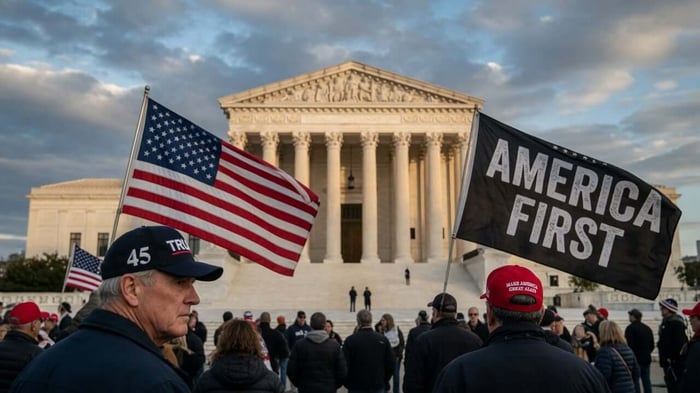
DHS Incentives for Voluntary Departure and Enforcement Preparations
DHS has actively promoted voluntary departure options, offering Haitian nationals a $2,600 cash bonus along with free flights to facilitate orderly returns. Concurrently, ICE is preparing for arrests and organized deportation flights, with particular focus on high-concentration areas such as Springfield, Ohio. These measures aim to enforce the law systematically while providing incentives to encourage compliance.
Local Impacts and Official Perspectives on Resource Allocation
In communities like Springfield, Ohio, where thousands of TPS holders have resided and worked in manufacturing and service sectors, the policy change addresses longstanding concerns over local resource strains. Officials note the program's original temporary intent following the 2010 earthquake. While some, including Ohio Governor Mike DeWine, have highlighted potential economic disruptions and risks associated with returns to Haiti, the core decision rests on legal authority affirmed by the highest court. Democrats have expressed concerns regarding humanitarian aspects, yet the administration centers on enforcing temporary protections as defined by statute.
Broader Policy Actions Affirming Temporary Status Principles
This development reinforces that Temporary Protected Status serves as a short-term humanitarian measure rather than indefinite residency. President Trump and U.S. officials have consistently stated that temporary must mean temporary, aligning policy with the law's foundational purpose. The Supreme Court decision clears the path for full implementation, allowing DHS to conclude the designation effective around July 27, 2026. Strategic implications include strengthened border security and reduced fiscal burdens. The Supreme Court affirmation ensures executive authority remains intact. These steps advance enforcement prioritizing lawful presence and national sovereignty as confirmed by the Supreme Court.
Support the Morse Report: https://buymeacoffee.com/morsereport
Republic Trucker Hat - Navy / White

$45.00
SHIPPING FOREWORD: Because all Morse Report products are 100% sourced and manufactured inside of the United States of America at the highest standard of excellence, shipping fulfillment can take anywhere from 5 - 14 days, depending on conditions. THANK YOU!… read more
FAQs
Why Did Temporary Protected Status for Haitians End After the Supreme Court Decision?
The Department of Homeland Security confirmed the expiration of Temporary Protected Status for approximately 300,000 Haitian nationals following a 6-3 Supreme Court ruling on June 25 that upheld the agency's authority to terminate the designation. This action restores the temporary nature of the program as originally intended under U.S. immigration law.