Table of Contents
Why is Mamdani advancing a discount grocery plan for New York City?
Mamdani proposes five city-subsidized stores with $100 million in funding to offer steep discounts on meat, bread, and more, open to all shoppers amid NYC's affordability crisis where Manhattan rents average $6,655 monthly. This initiative from Mamdani aims to address rising food costs through government intervention in the retail sector.
Details of the City-Subsidized Grocery Stores Plan
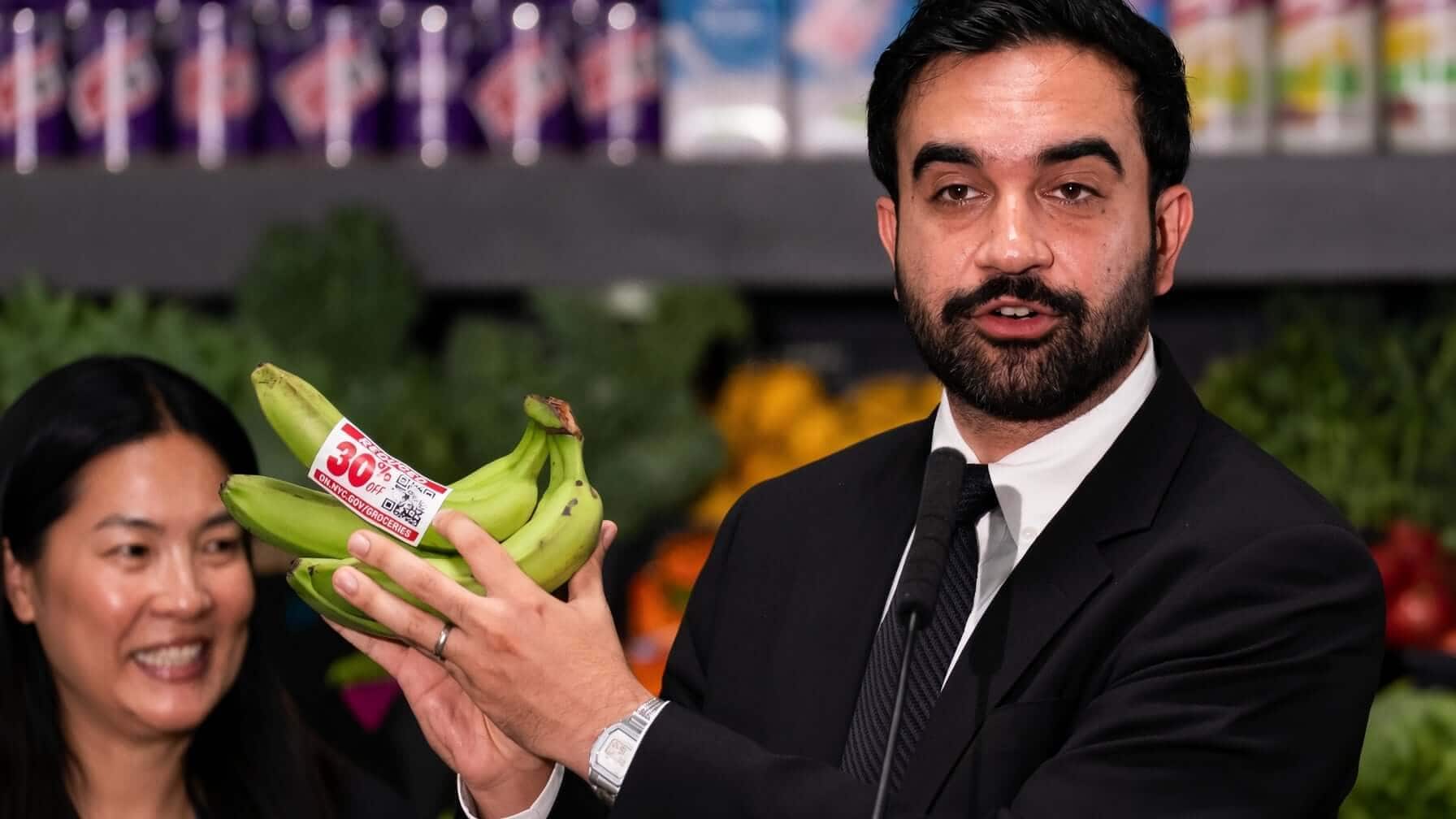
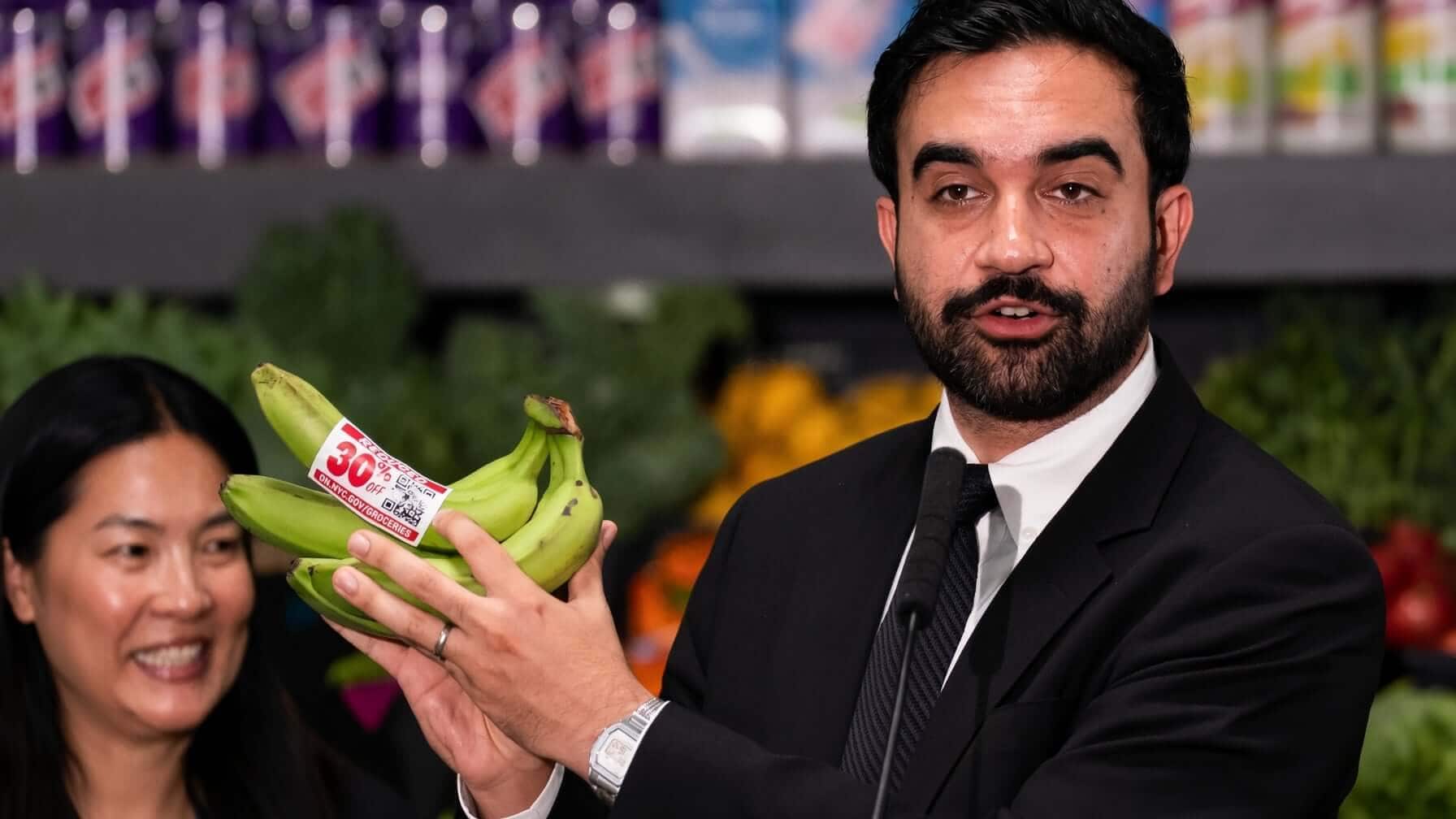
The plan calls for one store in each of the five boroughs. These outlets will provide a 30 percent reduction on a core basket of goods including all fresh produce, meat, seafood, dairy products, bread. Prices for these items will be set monthly and held steady. The first location is scheduled to open in late 2027 in the Bronx, with the remaining stores operational by the end of the mayoral term. The stores will operate without the burden of rent or property taxes as they utilize city-owned property, and private operators will handle day-to-day management under city pricing mandates. Access is unrestricted, available to any shopper without income verification or residency requirements.
Andrew Cuomo's Critique of the Plan's Scale and Impact
Former New York Governor Andrew Cuomo addressed the proposal by Mamdani directly, observing that the plan involves first five city run grocery stores in New York City for the entire city. He remarked that five loaves of bread and two fish could only feed 5,000, emphasizing that you are not going to serve 8 million people with five grocery stores. Cuomo further explained that the grocery stores are subsidized $100 million. That is how the 30 percent discount is achieved, through subsidies with tax dollars. He warned that all it is going to do is put the surrounding mom and pop stores out of business, after which anyone can go to the store. He clarified that it is not targeted for poor people or low income people. It is open to anyone.
Bill Maher's Assessment of the Competitive Dynamics
Bill Maher highlighted concerns regarding the nature of the competition presented by these taxpayer-supported outlets. He noted that selling items 30 percent below market rate does not constitute fair competition against legitimate private businesses. The subsidies from public funds create an uneven playing field that undercuts established retailers operating on thin margins.
Implications for Local Businesses and Taxpayer Resources
The structure of the program, with its capital investment and ongoing operational support to maintain the discounts, raises questions about long-term fiscal sustainability and effects on the existing network of independent grocery and bodega operators across the city. As the first store approaches its late 2027 opening, attention remains focused on how these five locations will interact with the broader retail food landscape serving New York's population of approximately 8 million residents by Mamdani.
Read More: https://morsereport.com/a/news/trump-threatens-federal-block-on-nycs-luxury-home-tax
Republic Trucker Hat - Navy / White
$45.00
SHIPPING FOREWORD: Because all Morse Report products are 100% sourced and manufactured inside of the United States of America at the highest standard of excellence, shipping fulfillment can take anywhere from 5 - 14 days, depending on conditions. THANK YOU!… read more

FAQs
Why is Mamdani advancing a discount grocery plan for New York City?
Mamdani proposes five city-subsidized stores with $100 million in funding to offer steep discounts on meat, bread, and more, open to all shoppers amid NYC's affordability crisis where Manhattan rents average $6,655 monthly. This initiative from Mamdani aims to address rising food costs through government intervention in the retail sector.