Table of Contents
- Why Did Iraq Sign Major Energy and Infrastructure Deals with U.S. Firms?
- Overview of the $60 Billion Agreements with American Companies
- Advancement of the Kirkuk-Baniyas Pipeline Project
- Context of the White House Meeting and Open-Door Policy
- Strategic Implications for Energy Security
- Broader Economic and Technology Components
- Path Forward for U.S.-Iraq Commercial Partnership
- FAQs
Why Did Iraq Sign Major Energy and Infrastructure Deals with U.S. Firms?
Iraq signed approximately 48 non-binding memorandums of understanding valued at over $60 billion with major U.S. companies on July 17, 2026. This historic Iraq deal, signed at a U.S. Chamber of Commerce summit, advances key energy projects including a strategic pipeline to bypass the Strait of Hormuz.
Overview of the $60 Billion Agreements with American Companies
At the U.S. Chamber of Commerce event in Washington, Iraqi officials under Prime Minister Ali Falih al-Zaidi formalized 48 MOUs and partnerships with leading American firms such as Chevron, ExxonMobil, GE Vernova, and others. The agreements span energy development, infrastructure, technology, and related sectors. These frameworks establish pathways for substantial U.S. investment in Iraq’s oil production, power generation, and economic projects.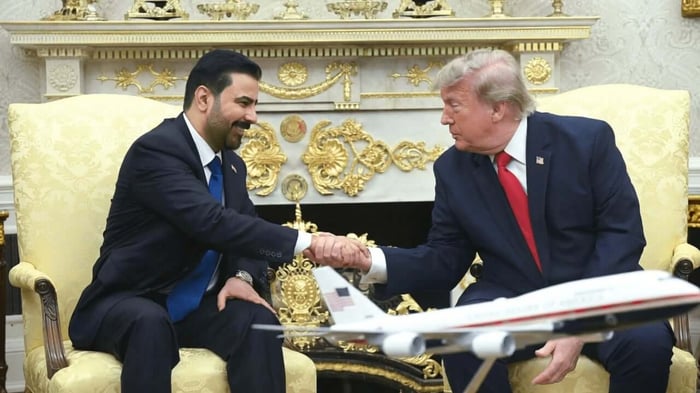
Advancement of the Kirkuk-Baniyas Pipeline Project
A central component of the Iraq deal involves progress on rehabilitating and expanding the Kirkuk-Baniyas oil pipeline route through Syria to the Mediterranean coast. This pipeline, dormant since 2003, provides a land-based route for crude oil that avoids the Strait of Hormuz. U.S. companies including Chevron are engaged in advancing the project.
Context of the White House Meeting and Open-Door Policy
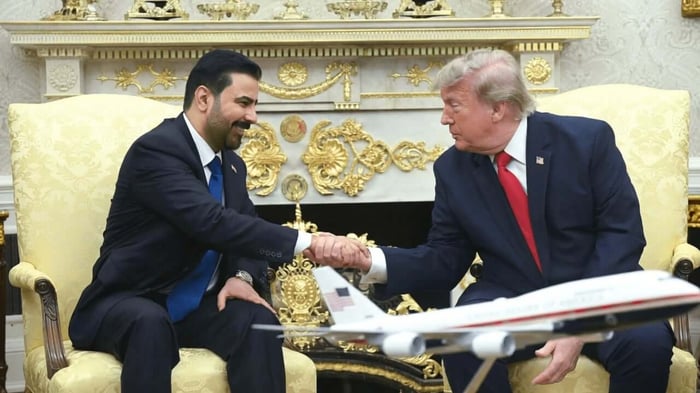
The agreements follow Iraqi Prime Minister al-Zaidi’s meeting with President Trump at the White House on July 14, 2026. Al-Zaidi has promoted an open-door approach to international investment, prioritizing reputable U.S. firms. The summit signings follow through on discussions aimed at deepening bilateral economic cooperation.
Strategic Implications for Energy Security
The Iraq deal strengthens energy security by creating viable alternatives to maritime chokepoints. By supporting a Mediterranean export route, the agreements reduce potential disruptions to global oil flows and expand options for Iraqi crude. The partnerships secure greater involvement of American energy majors. The pipeline offers a structural shift in regional energy logistics.
Broader Economic and Technology Components
Beyond oil and gas, the package includes infrastructure and technology initiatives, including arrangements related to Starlink for improved internet connectivity. Collectively, the MOUs under the Iraq deal signal Iraq’s intent to diversify its economic partnerships and attract substantial foreign capital under a framework that prioritizes U.S. participation.
Path Forward for U.S.-Iraq Commercial Partnership
The series of signings under the Iraq deal positions the United States as a preferred partner for Iraq’s development ambitions. Official statements emphasize mutual benefits in energy production and export diversification. As the Kirkuk-Baniyas and related pipeline projects advance, they will test the ability of this Iraq deal to deliver tangible results in enhancing energy resilience and economic integration between the two nations.
Read more: morsereport.com
Republic Trucker Hat - Navy / White

$45.00
SHIPPING FOREWORD: Because all Morse Report products are 100% sourced and manufactured inside of the United States of America at the highest standard of excellence, shipping fulfillment can take anywhere from 5 - 14 days, depending on conditions. THANK YOU!… read more
FAQs
Why Did Iraq Sign Major Energy and Infrastructure Deals with U.S. Firms?
Iraq signed approximately 48 non-binding memorandums of understanding valued at over $60 billion with major U.S. companies on July 17, 2026, at a U.S. Chamber of Commerce summit, advancing energy projects including a strategic pipeline to bypass the Strait of Hormuz.