Table of Contents
- Why Did the DOJ Expand Charges in the Mabna Institute Cyber Theft Case?
- The Massive Scale of Iran’s University Research Cyber Theft Campaign
- Expanded Accountability Through the Superseding Indictment
- Rewards for Justice and the Path to Bringing Suspects to Account
- Strategic Implications for Protecting American Intellectual Property
- FAQs
Why Did the DOJ Expand Charges in the Mabna Institute Cyber Theft Case?
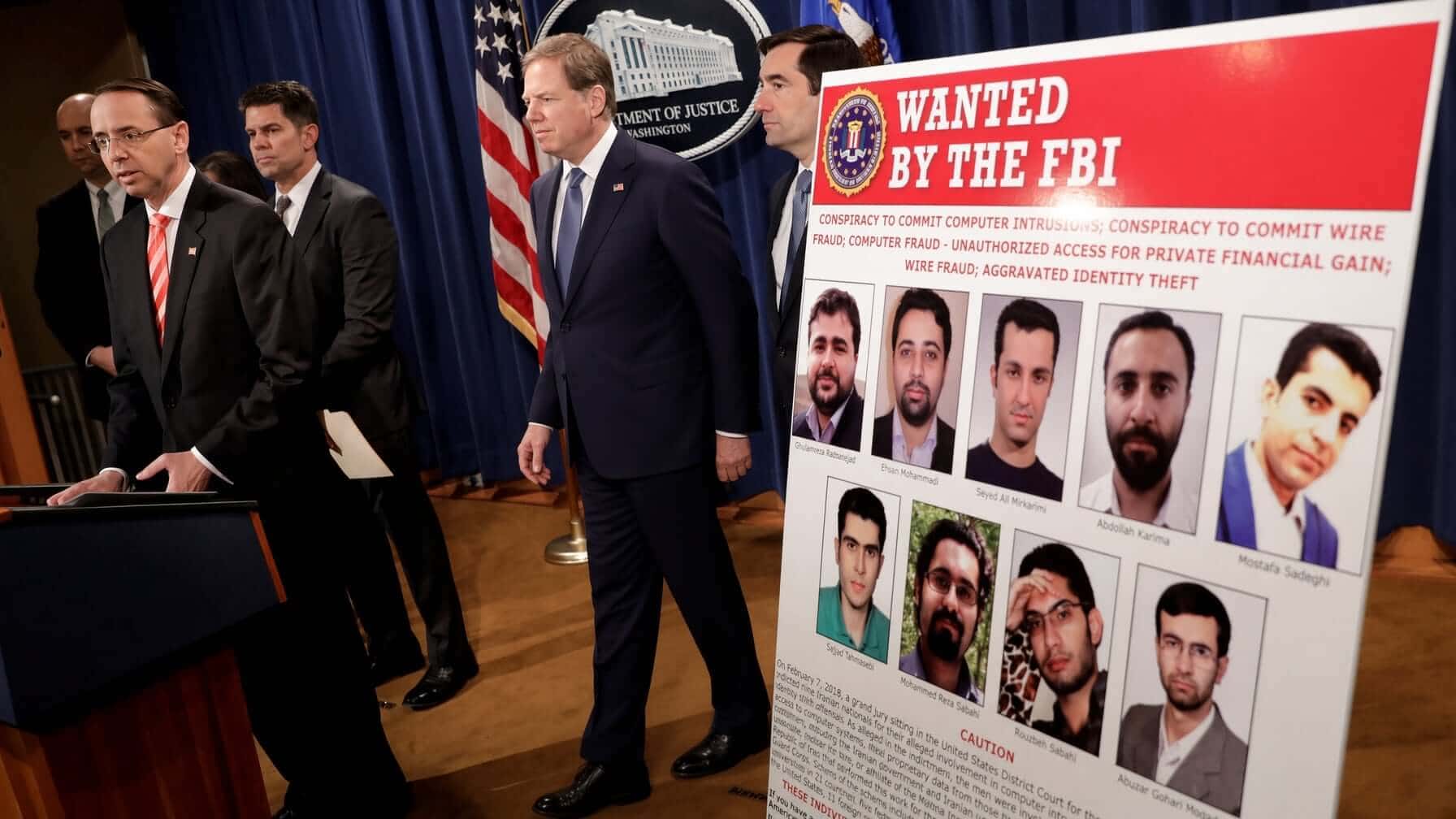
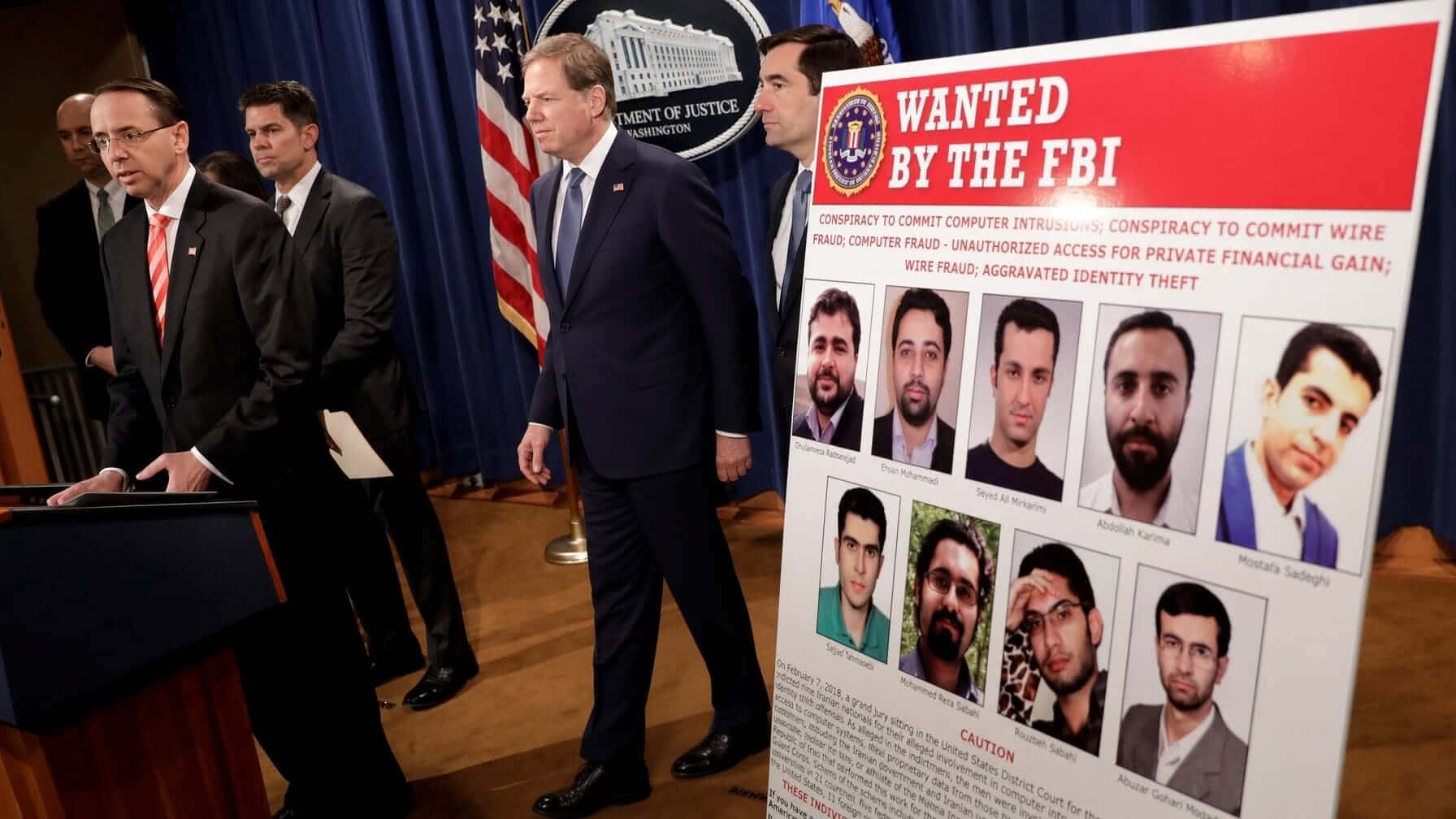
The DOJ unsealed a 14-count superseding indictment charging 17 members and affiliates of Iran’s Mabna Institute for a years-long cyber operation targeting U.S. and foreign universities, companies, and agencies. They compromised about 8,000 professor email accounts, stealing academic research, proprietary data, and intellectual property on behalf of the IRGC and other Iranian entities. Nine defendants were first charged in 2018; the new case adds eight more with expanded counts like wire fraud and computer intrusions. The State Department offers up to $10 million for tips on five at-large suspects believed to be in Iran.
The Massive Scale of Iran’s University Research Cyber Theft Campaign
Since at least 2013, the Mabna Institute conducted coordinated cyber intrusions into systems belonging to 144 U.S.-based universities, 178 foreign universities, at least 42 U.S. private sector companies, at least 11 foreign companies, five U.S. federal and state government agencies, and two non-governmental organizations. The group targeted more than 100,000 professor accounts worldwide and successfully compromised approximately 8,000 of them. The stolen materials exceeded 31 terabytes of academic data and intellectual property of untold value. Many of these intrusions occurred at the behest of the Islamic Revolutionary Guard Corps as well as other Iranian government and university clients.
Expanded Accountability Through the Superseding Indictment
Nine of the 17 defendants were previously charged in a 2018 indictment. The superseding indictment expands the case by adding eight additional defendants and incorporating broader allegations of continued activity. The case proceeds in the Southern District of New York before U.S. District Judge Jesse M. Furman.
Rewards for Justice and the Path to Bringing Suspects to Account
Concurrent with the unsealing, the U.S. Department of State’s Rewards for Justice program announced a reward of up to $10 million for information leading to the location of five specific defendants believed to remain in Iran. This incentive underscores the ongoing effort to locate and hold accountable those responsible for the systematic theft of American innovation and research. The DOJ, working with the FBI and international partners, continues to disrupt these networks.
Strategic Implications for Protecting American Intellectual Property
This action by the DOJ demonstrates a sustained resolve to counter state-sponsored cyber theft that undermines U.S. economic and national security interests. By publicly identifying the full network of Mabna Institute actors and offering substantial rewards, American authorities send a clear message that intellectual property theft on behalf of adversarial regimes will face long-term consequences. The DOJ remains focused on safeguarding the integrity of American research enterprise against foreign exploitation.
Read More: https://morsereport.com/a/news/iran-linked-cyberattacks-hit-water-systems-in-seven-us-states
Republic Trucker Hat - Navy / White
$45.00
SHIPPING FOREWORD: Because all Morse Report products are 100% sourced and manufactured inside of the United States of America at the highest standard of excellence, shipping fulfillment can take anywhere from 5 - 14 days, depending on conditions. THANK YOU!… read more

FAQs
Why Did the DOJ Expand Charges in the Mabna Institute Cyber Theft Case?
The DOJ unsealed a 14-count superseding indictment charging 17 members and affiliates of Iran’s Mabna Institute for a years-long cyber operation targeting U.S. and foreign universities, companies, and agencies. They compromised about 8,000 professor email accounts, stealing academic research, proprietary data, and intellectual property on behalf of the IRGC and other Iranian entities. Nine defendants were first charged in 2018; the new case adds eight more with expanded counts like wire fraud and computer intrusions. The State Department offers up to $10 million for tips on five at-large suspects believed to be in Iran.