Table of Contents
- Why Did DHS Restore the Broader Public Charge Rule for Green Card Applicants?
- Details of the Restored Public Charge Rule
- Scope and Effective Date of the Policy
- Strategic Implications for Self-Sufficiency and Taxpayer Resources
- Connection to Broader Immigration Enforcement Goals
- Implementation and Future Guidance
- FAQs
Why Did DHS Restore the Broader Public Charge Rule for Green Card Applicants?
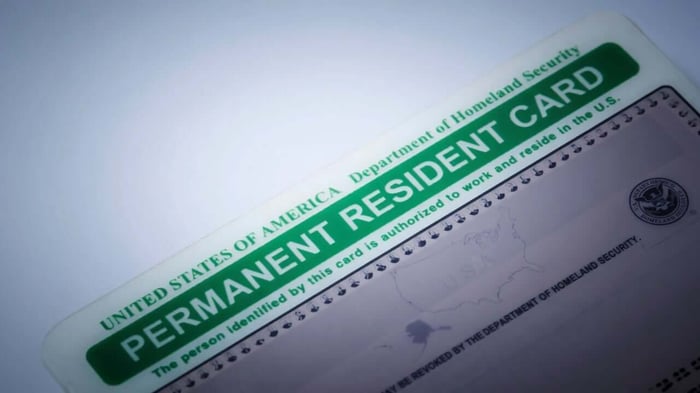
The Department of Homeland Security has issued a final rule restoring broader discretion under the public charge ground of inadmissibility for individuals seeking a green card for permanent residency, allowing officers to consider use of certain public benefits when assessing self-sufficiency.
Details of the Restored Public Charge Rule
DHS and USCIS have rescinded the narrower 2022 regulations and restored a framework that gives immigration officers expanded authority to evaluate whether a green card applicant is likely to become a public charge. Officers may now consider an applicant’s receipt or likely future use of means-tested benefits such as Medicaid, SNAP (food stamps), and public housing assistance, in addition to traditional factors like age, health, income, education, and skills. The change aligns determinations more closely with the statutory language of the Immigration and Nationality Act.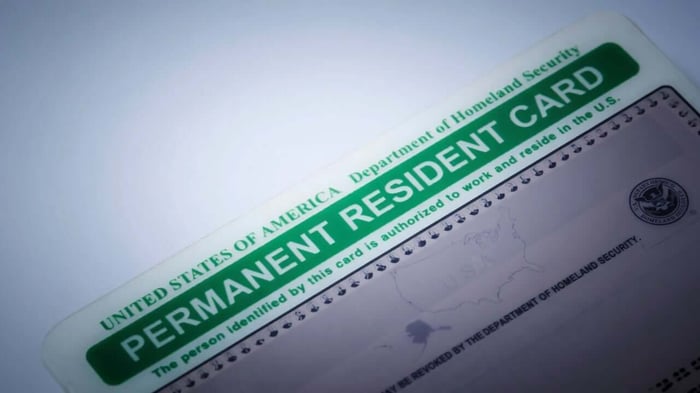
Scope and Effective Date of the Policy
The rule primarily affects applicants for adjustment of status, employment-based and family-based green cards, immigrant visas, and admission as lawful permanent residents. It is scheduled to take effect approximately 60 days after publication, around mid-September 2026. Certain categories remain exempt under federal law, including many refugees, asylees, and other protected groups. The policy does not revoke benefits already received or apply to U.S. citizens.
Strategic Implications for Self-Sufficiency and Taxpayer Resources
By restoring broader public charge scrutiny, the administration ensures that those seeking permanent residency demonstrate the ability to support themselves without relying on public benefits. This protects taxpayer-funded programs and upholds the long-standing principle that immigrants should be self-sufficient. Officials emphasize that a green card is a pathway to permanent residence and eventual citizenship, and applicants must show they will not impose undue burdens on public resources.
Connection to Broader Immigration Enforcement Goals
The restoration of the broader standard supports the Trump administration’s overall approach to immigration by prioritizing applicants who will contribute rather than depend on government assistance. It follows other policy actions aimed at enforcing existing inadmissibility grounds and maintaining the integrity of the legal immigration system. Permanent residency represents a significant privilege, and the updated rule reinforces that it should be granted to those prepared for self-reliance.
Implementation and Future Guidance
USCIS will update forms, including a revised Form I-485, and issue guidance to officers on applying the restored factors. The policy returns greater case-by-case discretion while remaining grounded in statute. DHS advances the goal of ensuring green card decisions promote self-sufficiency and safeguard public resources.
Read more: morsereport.com
Republic Trucker Hat - Navy / White

$45.00
SHIPPING FOREWORD: Because all Morse Report products are 100% sourced and manufactured inside of the United States of America at the highest standard of excellence, shipping fulfillment can take anywhere from 5 - 14 days, depending on conditions. THANK YOU!… read more
FAQs
Why Did DHS Restore the Broader Public Charge Rule for Green Card Applicants?
The Department of Homeland Security has issued a final rule restoring broader discretion under the public charge ground of inadmissibility for individuals seeking permanent residency, allowing officers to consider use of certain public benefits when assessing self-sufficiency.