Table of Contents
Why Are U.S. Troops Moving Into the Rio Grande Valley Now?
Federal commanders moved U.S. Troops into the Texas border sector after suspected cartel gunfire hit a Coast Guard vessel. The mission is a rapid force-protection surge built to hold the line.
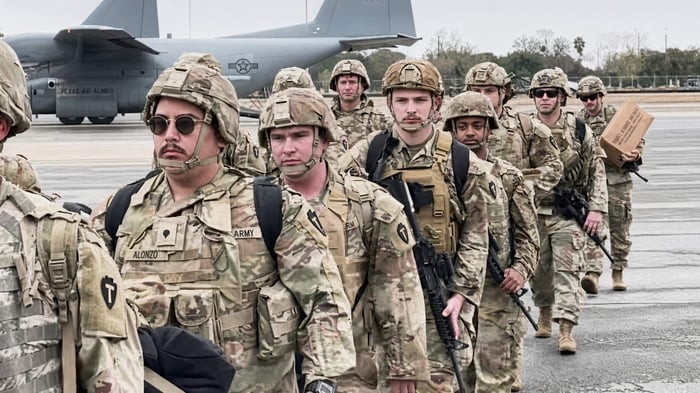
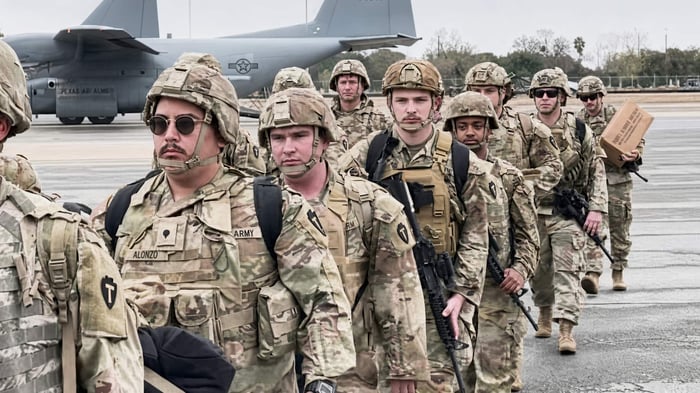
On September 26 near Garceno, Texas, suspected cartel members fired on a Coast Guard vessel during joint interdiction with federal partners on the Rio Grande. Personnel returned fire. Officials reported no injuries and no damage to assets. The case remains under investigation. Sources confirmed that roughly 500 U.S. Troops surged into the Rio Grande Valley this week, some airlifted by Chinook helicopters onto river islands, as force protection for at least 30 days. The deployment bolsters coordination with Border Patrol and other partners to counter smuggling and threats amid ongoing border security challenges.
What Happened in the Garceno Coast Guard Shooting?
The exchange came on a stretch of the Rio Grande long used for smuggling. Coast Guard officials confirmed gunfire from the Mexican side near Garceno and a return of fire, with no injuries and no damage. Governor Greg Abbott said cartel involvement is what he had heard, pending investigation. National Border Patrol Council Vice President Hector Garza said indicators point to a cartel. The Coast Guard stated that threats to its members are taken extremely seriously. It works with Border Patrol, the Department of War, and the Texas Military Department to secure the border, disrupt illicit activity, and protect the American people.
How the Deployment Strengthens Texas Border Security
Northern Command described the reinforcement as an effort to rapidly reinforce forces and federal partners in the Rio Grande Valley under Operation Ardent Vanguard. Operation Unified Response is meant to increase patrol capacity, reinforce key areas, add detection, and secure critical locations with Customs and Border Protection. NewsNation reported roughly 500 personnel and video of Chinook insertions onto islands. Army personnel from West Texas shifted into the valley as the force-protection package.
What Force Protection Means for the Texas Border
Placing personnel on river islands for at least 30 days closes the gap between the September 26 attack and the next interdiction cycle. The U.S. Troops now staged in the valley add density on the river. Smuggling networks and armed groups on the Mexican bank have been documented here. Garceno showed those threats can escalate to direct fire on a federal vessel. Returning fire without casualties preserved the crew while investigators work.
An attack on personnel conducting lawful interdiction produces a military response inside the United States. These U.S. Troops strengthen detection, patrol density, and security of critical locations for at least 30 days while partners counter smuggling and threats. That is the action underway: confirmed shooting, return of fire, and reinforcement built to hold.
Read More: DHS Details Probe into Illegals Voting Across 47 States – Morse Report
Republic Trucker Hat - Navy / White

$45.00
SHIPPING FOREWORD: Because all Morse Report products are 100% sourced and manufactured inside of the United States of America at the highest standard of excellence, shipping fulfillment can take anywhere from 5 - 14 days, depending on conditions. THANK YOU!… read more
FAQs
Why Are U.S. Troops Moving Into the Rio Grande Valley Now?
Federal commanders moved U.S. Troops into the Texas border sector after suspected cartel gunfire hit a Coast Guard vessel. The mission is a rapid force-protection surge built to hold the line.